




SoS Solutions
Explore our solutions designed to exceed your cybersecurity education & awareness requirements.
Stickley on Security was founded in 2007 with a plan to provide organizations with meaningful education and awareness solutions that employees and customers would actually embrace. As our founder Jim Stickley points out, it is simple to offer a training course but far more difficult to actually educate the participants. Our goal is to ensure that your customers and employees not only learn about cybersecurity risks, but that they can apply what they learn into their everyday lives and jobs.
Explore our solutions designed to exceed your cybersecurity education & awareness requirements.
Powered Cybersecurity Training. (PCT) is designed to help solve the challenges small and medium-sized businesses face in attempting to deploy and manage cybersecurity education and phishing simulation.
SoS Advisor was designed to address the customer security education and awareness needs of your organization. We understand that the security threats your customers face change daily. That's why SoS provides new content everyday specifically written for your customers.
Spoofed domains lead to employee and customer compromise. Domain Assure Detect and Domain Assure Prevent are two solutions designed to maintain your organizations online integrity and reduce spear-phishing, typosquatting and other online attacks.
Some of the biggest cyber security breaches in US history have started with a malicious email received by an unsuspecting employee. Using his past 25 years of experience breaking into organizations, Stickley has created BadPhish, the definitive next generation phishing simulator and education solution.
Potential new threats against your organization emerge daily. Employee EDU is designed to ensure your staff is prepared. Through our security education and awareness solutions your staff will not only be trained about important security topics but also be made aware and tested on the latest security threats.
Stickley on Security WorkRemote combines practical education and technology to provide a next-generation remote employee cybersecurity solution. Stickley on Security WorkRemote ensures no corporate data resides at the remote location, no corporate data transported, no individual VPN required, and only encrypted pixels are transmitted.
Jim Stickley speaks at hundreds of board meetings nationwide on cybersecurity related topics and can now speak to your board as well. When Stickley speaks to your board, his goal is to keep them aware of the many cybersecurity threats that your organization faces as well as keep them up to date on the latest cybersecurity regulations. Ultimately Stickley gives your board members the critical information they need to make cybersecurity related decisions.
Business executives and their board members face a never-ending challenge of keeping up with the latest cybersecurity security threats. With all of the audits and reports, security budget requests and regulatory requirements, our cyber security experts can help you make sense of it all.

Your smartwatch tracks your steps, displays your messages, and can even unlock your phone. It’s a tiny device with a lot of power. But all that convenience also means your watch could hold more personal information than you realize. From health data to email notifications, smartwatches store plenty of details that hackers would love to get their hands on. The good news is a few simple settings can help keep your smartwatch locked down so your personal data stays on your wrist and out of the wrong hands.
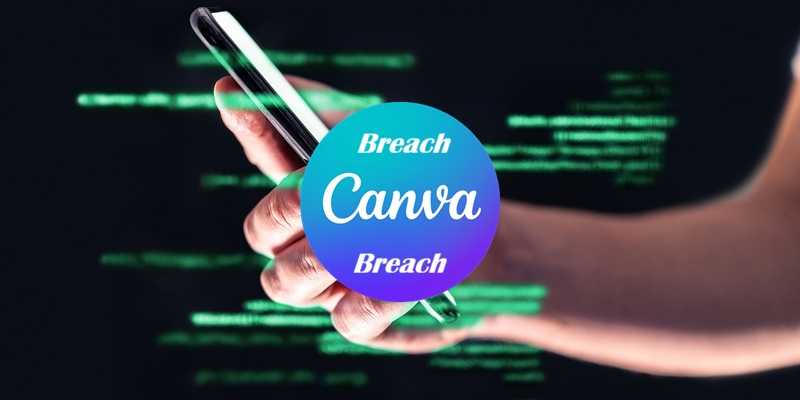
Students, faculty, and administrators across the country got an unexpected interruption to finals week after hackers linked to the cybercrime group ShinyHunters allegedly breached Instructure, the company behind the Canvas learning platform used by thousands of schools worldwide. While passwords and financial information do not currently appear to have been stolen, cybersecurity experts warn the data could still fuel phishing attacks, scams, impersonation attempts, and long-term identity risks for students and faculty alike. If you use or have used Canvas, now is the time to change passwords, watch for suspicious emails, and treat every “urgent” school message like it arrived wrapped in digital caution tape.
If you haven’t heard about these already, it’s time to pay attention. Linux users have been hit with a one-two punch recently with a couple of serious vulnerabilities. These are not “click one button from an email message and your server explodes” vulnerabilities. They are local privilege escalation flaws. That means an attacker first needs some kind of access to the machine. Once inside, however, these flaws can hand over the keys to the kingdom.