Accessibility links
  • Skip to main content
News Icon NEWS FILTER
All News Scams & Phishing Your Security Mobile Security Identity Theft Corporate Security Security Education Videos
Search Icon SEARCH
 

Email Icon SUBSCRIBE TO WEEKLY NEWSLETTER
That Secure Messaging App May Be the Weakest Link in Your Digital Life
Facebook   X   LinkedIn   Email

That Secure Messaging App May Be the Weakest Link in Your Digital Life

June 16, 2026

For years, people have been told to move sensitive conversations off email and into encrypted messaging apps. That advice is not wrong, but it is no longer the whole story.

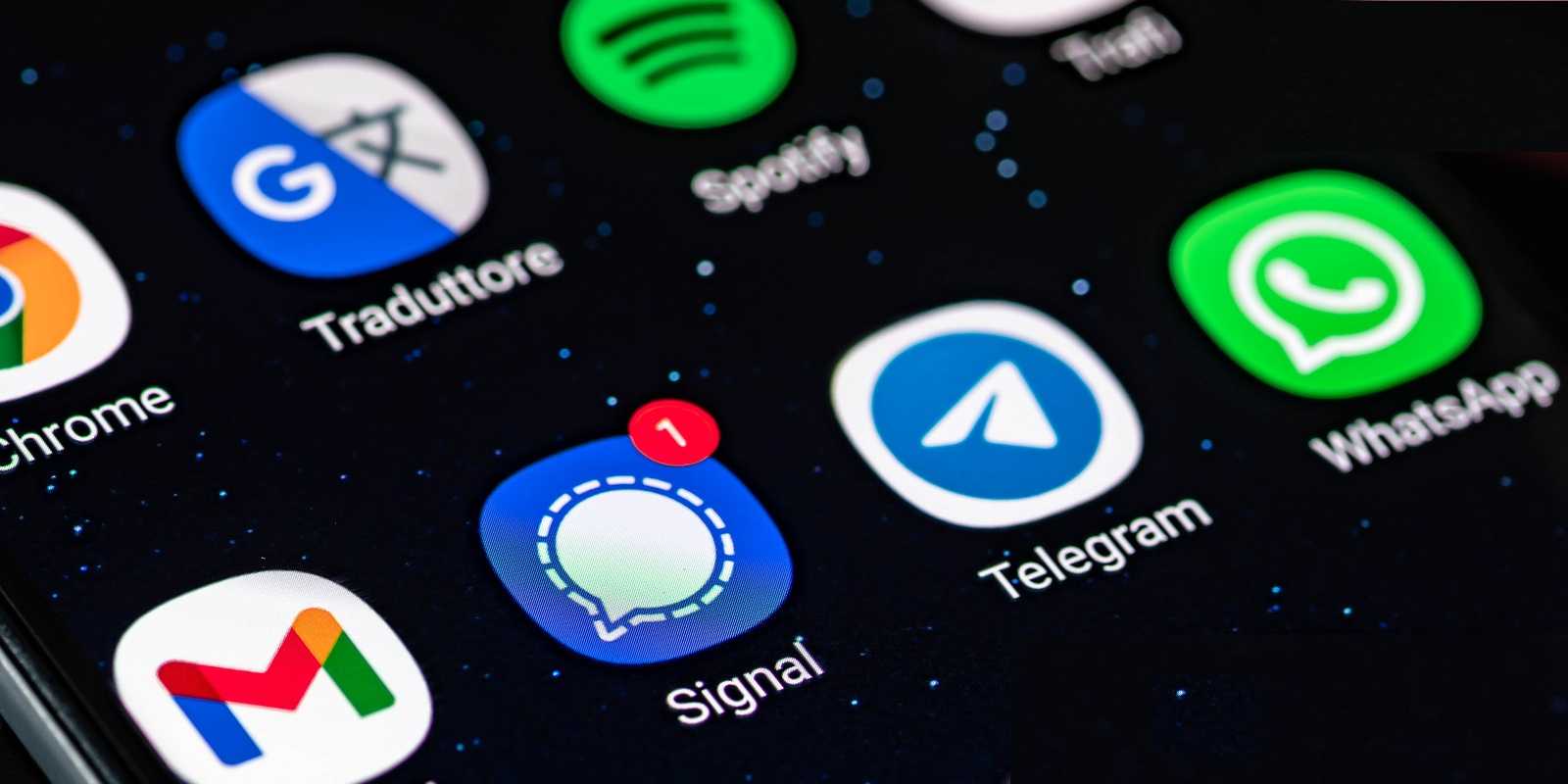
Government agencies are warning that threat actors tied to Russia and other hostile nation-state groups are increasingly targeting popular messaging apps, including WhatsApp, Signal, and Messenger, not because the apps themselves are necessarily broken, but because the people using them are believed to have information that provide a lot of value to attackers.

The alert focuses on what officials describe as “high-risk individuals,” which sounds dramatic until you realize the category is broader than many people assume. It includes government personnel, journalists, executives, political staff, researchers, activists, and anyone whose role gives them access to sensitive information, influential contacts, or useful networks. In plain English: if you know something important, know someone important, or have access to something important, you may already be on someone’s list.

And the playbook is not especially exotic. Attackers are not always smashing through technical defenses. Often, they are simply tricking users into opening the door.

Some of the tactics being flagged are deceptively simple:

  • Asking for login or account recovery codes
  • Adding an attacker-controlled device to an account
  • Slipping into group chats without obvious warning
  • Impersonating trusted contacts
  • Delivering phishing links or malicious QR codes

That last one deserves a little extra suspicion. QR codes have become the digital equivalent of “just trust me,” and attackers know it. If a code promises to “reconnect your account,” “verify your session,” or “join a secure chat,” skepticism is the correct default setting.

The broader lesson here is that modern account compromise is increasingly less about breaking encryption and more about bypassing human caution. If an attacker can convince you to hand over a code, approve a device, or scan the wrong square of pixels, they may not need to “hack” anything at all.

If you use messaging apps, regardless of whether or not you think you might know valuable information about someone “important,” be sure to do what you can to secure your conversations.

  • Use app-based security features that require approval for new devices. 
  • Review connected devices regularly. 
  • Be suspicious of unexpected login prompts, verification requests, and urgent messages asking you to act quickly. 

And if someone asks for a recovery or verification code, the answer should be no, even if the request appears to come from someone you know. Because these days, “secure messaging” still matters. Secure habits matter more.


Protect Yourself From Phishing Scams: 8 Steps To Better Security

Scams & Phishing

Protect Yourself From Phishing Scams: 8 Steps To Better Security

Since the mid 1990’s, email phishing scams have been on the rise. Like most cybercrimes, hackers have improved and refined their phishing methods over time. Now, there’s been a massive increase in targets due to the continuing coronavirus epidemic. Email phishing continues to be the method of choice for many cybercriminals to enter your device, steal your data, identity, finances, and more. A study by Tessian finds that 96% of phishing attacks arrive via email, showing the threat is very real. READ FULL STORY

Did Your Kid Lose Their Phone? Not Likely

Scams & Phishing

Did Your Kid Lose Their Phone? Not Likely

It’s an everyday scene. It’s prime time for TV and you’re sitting comfortably in your favorite chair. Suddenly, your phone alerts you to a new text. You pick it up and it’s a text from an unknown number that says, "Hi Mom, I lost my phone. Text me back at this number.” You’re perplexed. What do you do? Well, you stop right there. Why? That message probably isn’t from your kid. It’s part of a sneaky scam that’s been making the rounds for a while, and unfortunately, it’s still working. READ FULL STORY

Walmart Impersonation Robocall Scams On The Rise

Scams & Phishing

Walmart Impersonation Robocall Scams On The Rise

Scammers posing as Walmart employees are behind a frightening new robocall campaign that has duped thousands across the country. According to investigators at the Federal Communications Commission (FCC) and sanctioned Industry Traceback Group, the campaign — traced to just one network provider over a few-month span — delivered nearly eight million illegal robocalls between January 21 and April 11, 2025. And it's likely you received a few of those calls. READ FULL STORY

WhatsApp Screen-Mirroring Scam Draining Bank Accounts

Scams & Phishing

WhatsApp Screen-Mirroring Scam Draining Bank Accounts

A new and dangerously convincing scam is spreading fast on WhatsApp, and it’s catching everyday users and tech pros alike off guard. At the center of it all is something millions of people use daily — a legitimate feature that makes life easier but, in the wrong hands, turns into a direct pipeline for cybercriminals to steal your money. Victims say it all starts with a simple message or call, and before they know it, their bank accounts are drained. READ FULL STORY

Do You Use Google Search? Your Next Download Could Be Infected

Scams & Phishing

Do You Use Google Search? Your Next Download Could Be Infected

Think you're safe downloading software from the top Google search results? Think again. FortiGuard Labs discovered a massive SEO (that’s Search Engine Optimization) poisoning campaign. Cybercriminals create fraudulent websites that look almost identical to legitimate software providers and use special plugins to artificially bump these fake sites to the top of search rankings when you type something into the address window. For now, these are primarily targeting Chinese-speaking users, but the tactics being used could easily spread to English-speaking audiences next…and as is typically the case, they likely will.  READ FULL STORY


Close
Fraud News & Alerts!

Keep up with the latest cyber security news through our weekly Fraud News & Alerts updates. Each week you will receive an email containing the latest cyber security news, tips and breach notifications.


You're all set!

You will receive your first official security update email within the next week.

A welcome email has also just been sent to you. If you do not receive this email within the next few minutes, please check your Junk box or spam filter to confirm our emails are not being blocked.


Help  
Enter any word or words you like.        

The email newsletter will arrive from news@stickleyonsecurity.com


Loading
Please wait...