Accessibility links
  • Skip to main content
News Icon NEWS FILTER
All News Scams & Phishing Your Security Mobile Security Identity Theft Corporate Security Security Education Videos
Search Icon SEARCH
 

Email Icon SUBSCRIBE TO WEEKLY NEWSLETTER
AI Scrapes Your Data For Training: Take Steps To Protect Your Data
Facebook   X   LinkedIn   Email

AI Scrapes Your Data For Training: Take Steps To Protect Your Data

December 10, 2025

Large language models like ChatGPT have introduced complexity to the evolving online threat landscape. Cybercriminals are increasingly using these models to execute fraud and other attacks without requiring advanced coding skills. This threat is exacerbated by the availability of tools such as bots-as-a-service, residential proxies, CAPTCHA farms, and more. As a result, it's crucial for individuals and businesses to take proactive measures to protect their online presence.

Three key risks associated with large language models (LLMs) like ChatGPT and ChatGPT plugins include content theft, reduced web traffic, and data breaches. They get valuable information by scraping your website. That information is used to train the LLMs, but it also opens you up to cyber threats. Limiting the access to that data from these LLMs can help mitigate the risk of your organization falling victim to these.
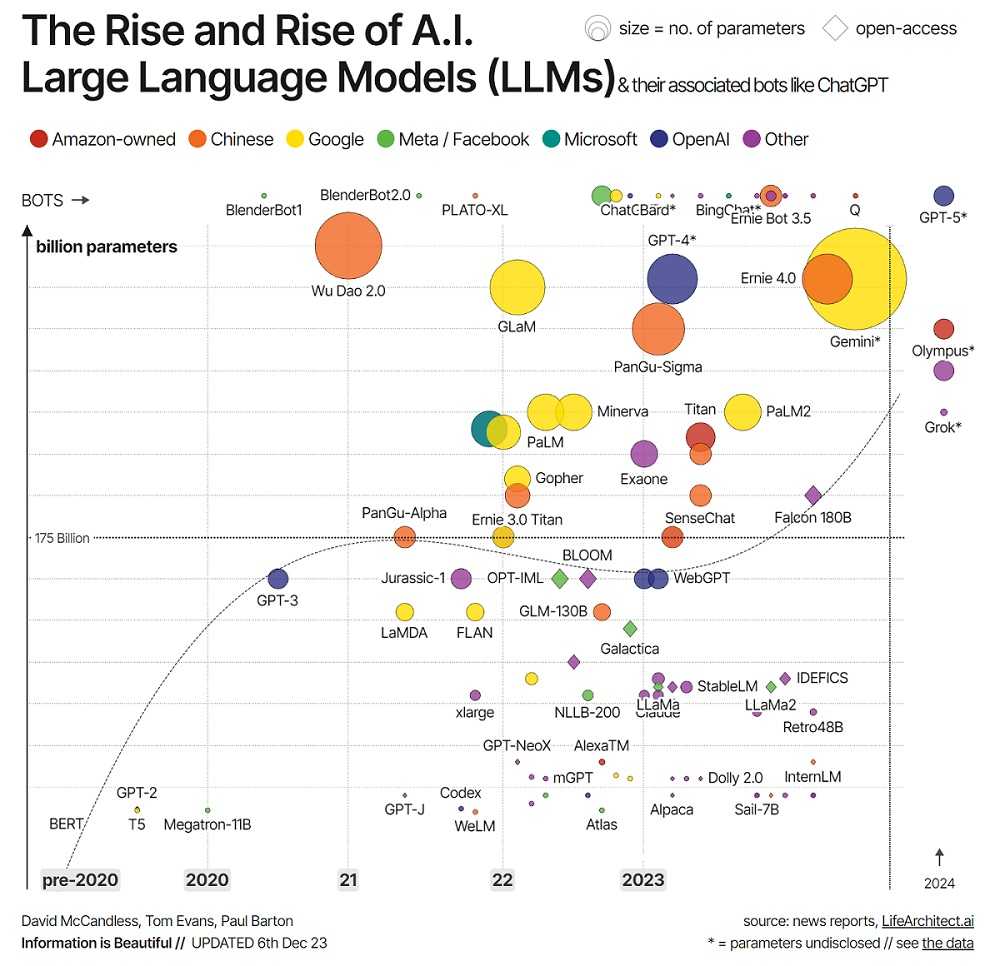
While most likely are scraping your data to cause harm, they could inadvertently distribute your sensitive data. Some data scrapers may not distinguish between intended and unintended data sharing, posing risks to businesses' reputation and competitive advantage, should sensitive data be leaked this way. Not to mention the costs involved with recovery from a breach.

According to IBM’s latest Cost of a Data Breach report, the average cost of a breach to an organization was $4.45 million in 2023. That’s a record high. This figure includes consideration for legal and regulatory costs, the cost of technical activities, as well as hits to brand equity, customer loss, and effects on employee productivity. In fact, according to research by the stack management company Encore, a data breach causes employees to lose trust in management and up to 60% leave afterward.

Businesses should consider ways to opt out of having their data used to train LLMs and blocking LLM scrapers, especially in industries where data privacy is critical.


How To Protect Yourself After A Data Breach

General News

Video Icon How To Protect Yourself After A Data Breach

Data breaches seem to happen like clockwork. None of them are your fault, but the responsibility to protect yourself and your personal information rests square on your shoulders. It can seem like a daunting task, but there are some fundamental actions that can be taken right now that can make you a significantly safer from falling victim to a cyberattack. In this video, Jim Stickley will cover a wide range of types of data that can be exposed and how you can protect yourself. Credit Card, SSN, personal information, and other types of data are in the wild, so you need to be prepared. READ FULL STORY

Social Media Brings Out The Worst Scammers

Scams & Phishing

Social Media Brings Out The Worst Scammers

Social media attacks are a favorite of those pesky cybercriminals. One might wonder why. Well, it’s because it’s easy pickin's going for those accounts. Researchers at Arkose Labs found that of 1.2 billion social media interactions, 53% of the logins were fraudulent and 25% of new accounts were phony. Millions of people use one form of social media or another, whether it’s Facebook, Instagram, Snapchat, LinkedIn, or something else. That leaves a barrel full of phish used for targets for hackers and scammers. READ FULL STORY


Close
Fraud News & Alerts!

Keep up with the latest cyber security news through our weekly Fraud News & Alerts updates. Each week you will receive an email containing the latest cyber security news, tips and breach notifications.


You're all set!

You will receive your first official security update email within the next week.

A welcome email has also just been sent to you. If you do not receive this email within the next few minutes, please check your Junk box or spam filter to confirm our emails are not being blocked.


Help  
Enter any word or words you like.        

The email newsletter will arrive from news@stickleyonsecurity.com


Loading
Please wait...