Accessibility links
  • Skip to main content
News Icon NEWS FILTER
All News Scams & Phishing Your Security Mobile Security Identity Theft Corporate Security Security Education Videos
Search Icon SEARCH
 

Email Icon SUBSCRIBE TO WEEKLY NEWSLETTER
Why That Local Call Might Be a Scam
Facebook   X   LinkedIn   Email

Why That Local Call Might Be a Scam

August 3, 2026

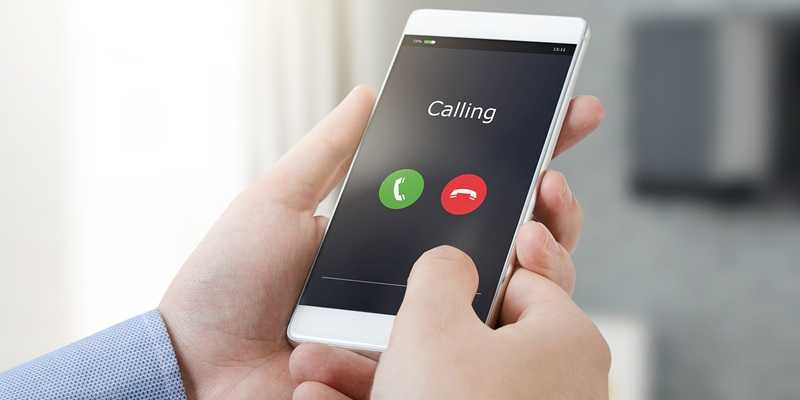
You’re at your desk, your phone lights up, and the number looks almost like your own. That’s no accident. Scammers use a technique called neighbor spoofing, which makes incoming calls appear as though they’re coming from a local number. The goal is simple: to get you to pick up. It’s becoming more common as time goes on.

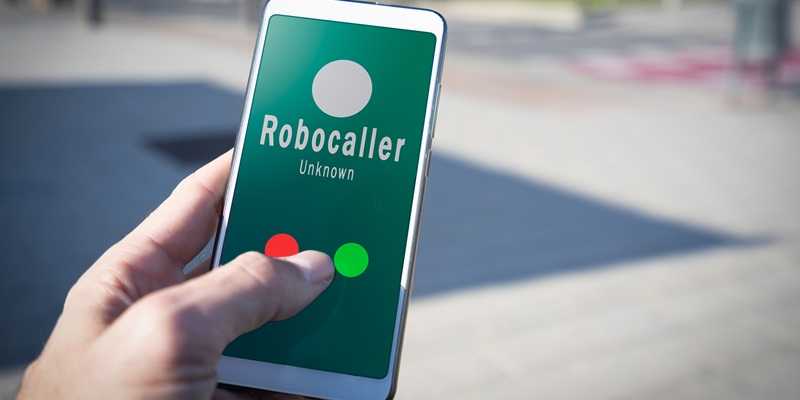
A modern twist on robocalls

Thanks to internet-based calling technology, scammers can make a call look like it’s coming from just about anywhere. Even your own number isn’t off limits. Most common these days is to use a number with the same area code. Of course, the “logic” is that if it’s in the area, it must be a legitimate call, right? However, once you answer, the pitch begins. 

These days it’s less about “free vacations” and more about urgent warnings, like, “Suspicious activity detected on your bank account,” “Your Amazon or PayPal account has been locked, “A package delivery issue needs immediate attention,” or a personal favorite, “Mom, I lost my phone.”

Some calls even claim to be from government agencies, using scare tactics to pressure you into acting fast.
Why answering…or not answering matters

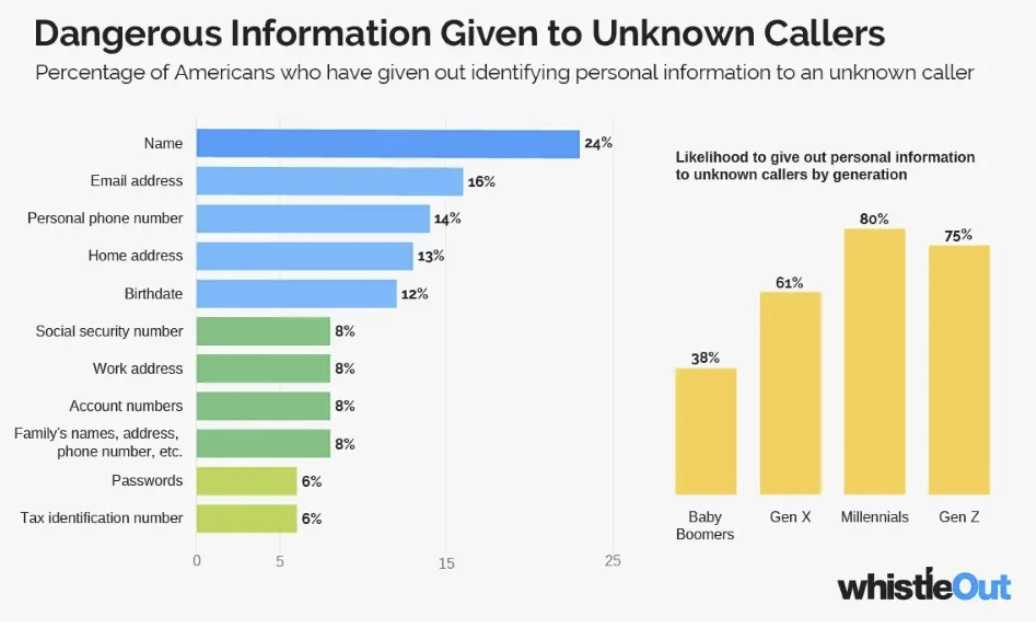
The moment you pick up, you’ve confirmed your number is active. That can lead to even more calls. Scammers count on curiosity. If you answer, you’re more likely to listen. And if you listen, you’re more likely to be pressured into sharing information or making a payment.

The best defense is also the simplest.

  • Don’t answer calls from numbers you don’t recognize.
  • Let unknown calls go to voicemail. Hang up immediately if it sounds suspicious.
  • Never press buttons or follow prompts on robocalls.

When in doubt, check it out

If a call claims to be from your bank, a delivery service, or a government agency, don’t trust the caller ID. Instead, contact the organization directly using an official number that you find on your own.

Don’t let “local” fool you. Just because a number looks familiar doesn’t mean it is. A healthy dose of skepticism can keep these calls from turning into costly mistakes.


Your Financial Institution Is Calling. Or Is It?

Scams & Phishing

Your Financial Institution Is Calling. Or Is It?

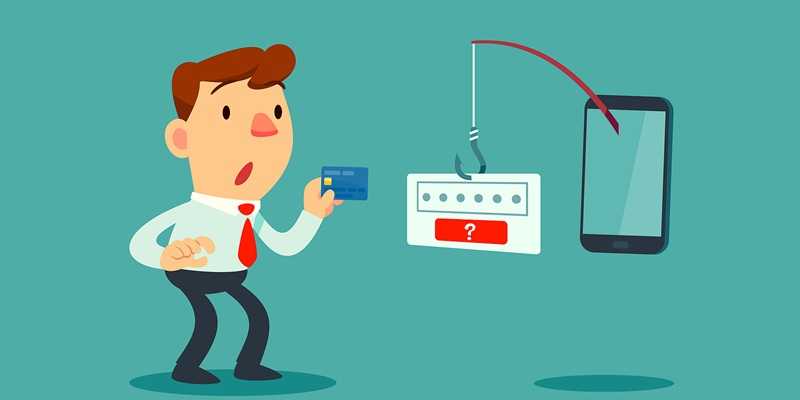
A phone call that looks like it’s coming from your financial institution could be the opening move in a fast-moving chess game the FBI is warning about. Using spoofed numbers and convincing scripts, criminals create a sense of urgency, claiming your account is under attack. The next move includes a carefully guided attempt to extract passwords, verification codes, or even push you to move your own money straight into their hands. Knowing when to hang up could be the difference between staying secure and watching your account drained in a flash. READ FULL STORY

Amazon Text Scam Recalls Your Login Credentials

Mobile Security

Amazon Text Scam Recalls Your Login Credentials

Amazon shoppers are being targeted by a phishing scam posing as a product recall alert. Instead of claiming you'll be charged, the message promises a refund and urges the buyer to click a link to apply to get the money back. However, as you can probably guess, it’s designed to steal your login credentials, which may get the phisher to your payment methods too. Read on to find out how this clever Amazon Recall scam works and what steps to take if you receive one of these messages. READ FULL STORY

Did Your Kid Lose Their Phone? Not Likely

Scams & Phishing

Did Your Kid Lose Their Phone? Not Likely

It’s an everyday scene. It’s prime time for TV and you’re sitting comfortably in your favorite chair. Suddenly, your phone alerts you to a new text. You pick it up and it’s a text from an unknown number that says, "Hi Mom, I lost my phone. Text me back at this number.” You’re perplexed. What do you do? Well, you stop right there. Why? That message probably isn’t from your kid. It’s part of a sneaky scam that’s been making the rounds for a while, and unfortunately, it’s still working. READ FULL STORY

Senior Scams—When Elder Fraud Gets Personal

Scams & Phishing

Senior Scams—When Elder Fraud Gets Personal

Last year in the U.S., nearly two-thirds of scam victims were seniors. Whether family, friend or neighbor, many of us know a senior citizen. But one thing many of us don’t know is how vulnerable they are to cybercrime. The FBI reports those aged 60+ are potential victims of a nearly $3.5 billion criminal scheme to defraud this at-risk group, and it’s only getting worse. The reasons behind the attacks are simple. It's about money and trust. READ FULL STORY

Walmart Impersonation Robocall Scams On The Rise

Scams & Phishing

Walmart Impersonation Robocall Scams On The Rise

Scammers posing as Walmart employees are behind a frightening new robocall campaign that has duped thousands across the country. According to investigators at the Federal Communications Commission (FCC) and sanctioned Industry Traceback Group, the campaign — traced to just one network provider over a few-month span — delivered nearly eight million illegal robocalls between January 21 and April 11, 2025. And it's likely you received a few of those calls. READ FULL STORY


Close
Fraud News & Alerts!

Keep up with the latest cyber security news through our weekly Fraud News & Alerts updates. Each week you will receive an email containing the latest cyber security news, tips and breach notifications.


You're all set!

You will receive your first official security update email within the next week.

A welcome email has also just been sent to you. If you do not receive this email within the next few minutes, please check your Junk box or spam filter to confirm our emails are not being blocked.


Help  
Enter any word or words you like.        

The email newsletter will arrive from news@stickleyonsecurity.com


Loading
Please wait...