Accessibility links
  • Skip to main content
News Icon NEWS FILTER
All News Scams & Phishing Your Security Mobile Security Identity Theft Corporate Security Security Education Videos
Search Icon SEARCH
 

Email Icon SUBSCRIBE TO WEEKLY NEWSLETTER
Facebook   X   LinkedIn   Email

Convincing Fake Election Messages

October 27, 2026

With the 2026 midterm elections approaching, the FBI and the Cybersecurity and Infrastructure Security Agency (CISA) are warning Americans about a growing cybersecurity concern- criminals using phishing, text messages, and artificial intelligence to trick people into handing over sensitive information. The warning highlights how AI can make scams look and sound more believable, giving even cautious internet users another reason to think before they click.

When a Fake Looks Real

Cybercriminals are targeting election officials, political candidates, and campaign organizations because these groups may have access to voter registration records, government contacts, and other sensitive information. But the tactics described in the warning can affect everyday Americans, too.

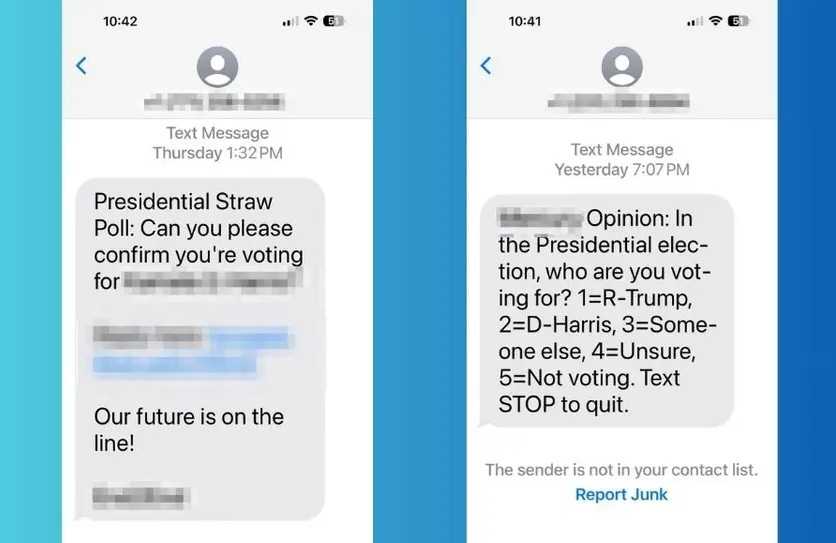
Scammers may send emails or text messages that appear to come from trusted organizations. They might claim you need to verify your voter registration, update personal information, or resolve a problem before Election Day. Click the wrong link, and you could land on a fake website designed to steal your information or passwords.

And yes, AI is in the mix too. AI adds another wrinkle. Criminals can use it to create polished messages without the spelling mistakes and awkward wording that once made many scams easier to spot. They can also generate convincing audio and video impersonations, making it harder to tell whether the person contacting you is who they claim to be.
Don't Let a Scam Cast Your Vote

The FBI has also warned about election-related fraud involving fake campaign donation requests, bogus political merchandise, and fraudulent voter registration messages. Some scammers even promise that campaign contributions will earn a financial return. Just remember, that it doesn’t. If you are offered monetary compensation for your campaign contribution, you should definitely raise an eyebrow.

Protect yourself by following a few simple rules:

  • Don't trust unexpected links. Visit your state's official election website directly instead of clicking links in unsolicited messages.
  • Verify unusual requests. Contact the organization using a phone number or website you find independently. Scammers hope you’ll use the information they provide you, because it sends you right back to them.
  • Protect your accounts. Use unique passwords and multifactor authentication wherever possible. Most websites provide some sort of extra check on your login. Take advantage of it.
  • Keep your guard up. A familiar voice, professional-looking email, or convincing video does not prove a message is genuine. Anyone can put on a flashy suit and sound good and voices can be faked so well these days that if you suspect anything strange, you’re probably right.

Don't let this scare you away from participating in the election process. You don't have to avoid election news to stay safe. Just remember that scammers can exploit political interest and public concern to steal information or money just like they can with anything else. When a message demands immediate action, take a moment to verify it before responding.


Think Paying the Ransom Ends the Nightmare? Think Again

Scams & Phishing

Think Paying the Ransom Ends the Nightmare? Think Again

When ransomware criminals demand payment, many victims hope paying will make the problem disappear. New research suggests the opposite may be true. According to Proofpoint's 2026 AI-Era Ransomware Report, more than one-third of organizations that paid a ransom were later hit with another extortion demand. The findings reinforce what cybersecurity experts have warned for years: Paying cybercriminals offers no guarantee you'll get your data back, and it may paint an even bigger target on your back for future attacks. READ FULL STORY

AI Generated Fraud Takeover

Your Security

AI Generated Fraud Takeover

As cybercrime is known to do, attacks trend over time, creating new and improved assaults. Fighting back against trending fraud attacks requires everyone, including organization leaders and those overseeing security to be prepared for the latest threats. And with artificial intelligence (AI) now playing a significant role with these crimes, awareness can be an invaluable fraud prevention tool. AI-generated deepfakes make “authorized fraud” a must know of trending crimes. Phishing emails orchestrate 91% of all cyberattacks, with many starting and ending with fraud. READ FULL STORY

That Secure Messaging App May Be the Weakest Link in Your Digital Life

Mobile Security

That Secure Messaging App May Be the Weakest Link in Your Digital Life

Many people treat messaging apps like private, locked rooms where conversations stay safely tucked away from prying eyes. But government agencies are warning that those rooms may have more open windows than users realize. Russia-linked threat actors and other state-backed groups are increasingly targeting apps like WhatsApp, Signal, and Messenger to hijack accounts, impersonate trusted contacts, and quietly insert themselves into sensitive conversations. If your job, public profile, or access to information makes you even slightly interesting to an attacker, your messaging apps may now be one of the first places they try to get in. READ FULL STORY

U.S. Businesses Warned to Brace for Iran-Linked Attacks

Corporate Security

U.S. Businesses Warned to Brace for Iran-Linked Attacks

A conflict thousands of miles away could still create very real cybersecurity problems here at home. U.S. officials are warning that Iran-aligned cyber actors may be targeting American businesses, critical infrastructure, healthcare systems, and government networks. Some threat groups are believed to already be scanning for weaknesses and, in some cases, may have quietly planted themselves inside vulnerable systems. For organizations with weak defenses, this is not the time to hope for the best. It is the time to lock things down. READ FULL STORY

AI Aided Phishing Scams Target Business Execs

Scams & Phishing

AI Aided Phishing Scams Target Business Execs

AI-powered bots are now capable of analyzing vast amounts of data from online profiles. This enables them to craft emails that closely mimic the tone and style of a company or individual. This level of personalization makes the scams more convincing and harder to detect. So, it’s no surprise that there's been a notable surge in highly personalized phishing scams aimed at corporate executives. These scams are becoming increasingly sophisticated and succeeding, largely due to the integration of artificial intelligence (AI) by cybercriminals. READ FULL STORY


Close
Fraud News & Alerts!

Keep up with the latest cyber security news through our weekly Fraud News & Alerts updates. Each week you will receive an email containing the latest cyber security news, tips and breach notifications.


You're all set!

You will receive your first official security update email within the next week.

A welcome email has also just been sent to you. If you do not receive this email within the next few minutes, please check your Junk box or spam filter to confirm our emails are not being blocked.


Help  
Enter any word or words you like.        

The email newsletter will arrive from news@stickleyonsecurity.com


Loading
Please wait...