FBI Warns Medusa is Trying to Snake Her Way Into Your Network
January 21, 2026
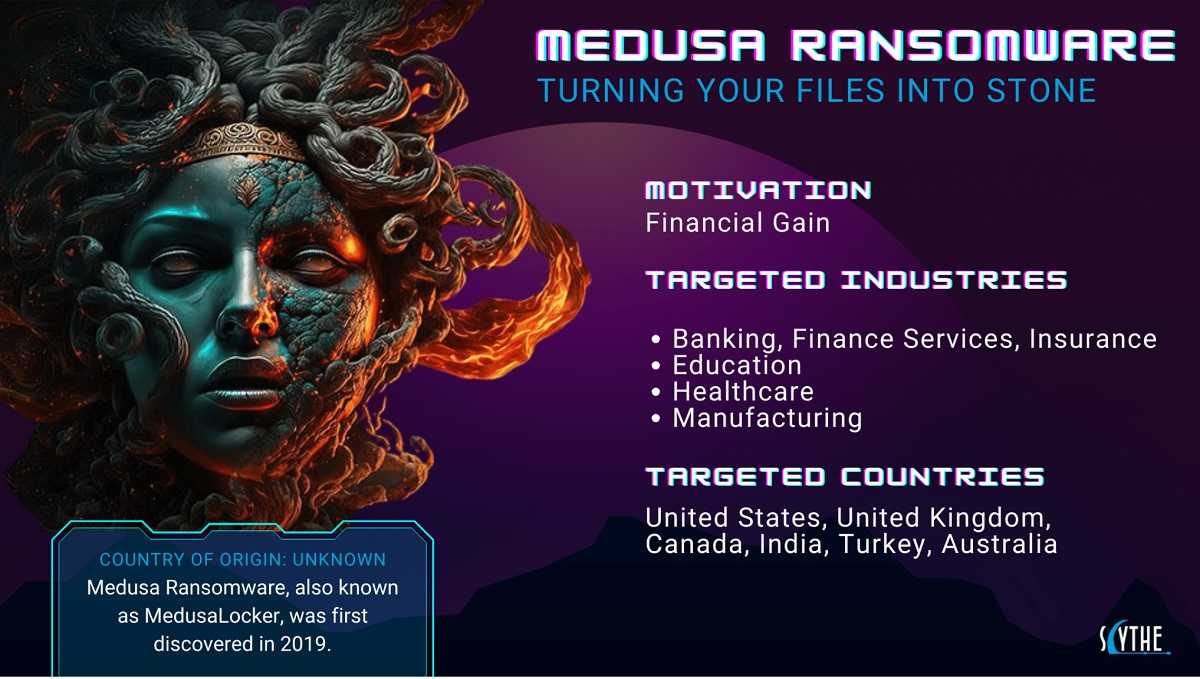
The Federal Bureau of Investigation (FBI) and the Cybersecurity and Infrastructure Security Agency (CISA) recently issued a warning about a ransomware-as-a-service variant that has been on the attack since December. The Medusa ransomware, a sophisticated cyber threat that has targeted over 300 victims across critical infrastructure sectors. These include, healthcare, education, and manufacturing.
Medusa operates as a Ransomware-as-a-Service (RaaS), recruiting affiliates from criminal forums to conduct attacks. This means there is a package deal out there offered by the authors that acts as a sort of plug and play product for those wanting to use it.
The group employs tactics such as phishing campaigns and exploiting unpatched software vulnerabilities to gain unauthorized access to systems.
Once it has made its way inside, Medusa encrypts the victim's data and threatens to publicly release it unless a ransom is paid—a strategy known as double extortion.
The group behind it maintains a data-leak site where they list victims and display a countdown timer for the public release of stolen data.
If executed, Medusa ransomware can severely disrupt operations by encrypting critical data, rendering it inaccessible. The double extortion tactic adds pressure on victims to comply with ransom demands to prevent sensitive information from being leaked publicly. This can lead to financial losses, reputational damage, and potential legal ramifications, especially if personal identifiable information (PII) is exposed.
Preventative Measures
To mitigate the risk of falling victim to Medusa ransomware, organizations are advised to:
- Keep Systems Updated: Regularly update operating systems, software, and firmware to patch known vulnerabilities. Make sure the versions you are using are still supported by the developers.
- Implement Multifactor Authentication (MFA): Employ MFA for all services, especially those accessible remotely, to add an extra layer of security. This prevents an attacker from getting into your accounts since they won’t’ have your MFA code.
- Use Strong Passwords: Enforce the use of long, complex passwords and avoid reusing passwords across different accounts. Use at least 8 characters mixing letters (upper and lower case), numbers, and special characters.
- Network Segmentation: Segment networks to prevent the spread of ransomware and limit access to critical systems. You can even do this at home with most WiFi routers these days. Use one for your computers, tablets, and smartphones and the other for all of the other internet-connected devices such as your smart light switches, thermostats, and cooking appliances.
- Regular Backups: Maintain offline, encrypted backups of critical data and regularly test restoration procedures. Large backup drives are inexpensive and abundant these days. Find one you like and use it.
- Of course, Be on the Lookout for Phishing: Phishing is a powerful tool used against victims for nearly all ransomware attacks. Don't click links or attachments in email or texts that are from unfamiliar senders or that you aren't expecting. If they make you think it's urgent that you click something, it's most likely phishing.
By adopting these measures, organizations can enhance their resilience against ransomware threats like Medusa and protect their critical assets from potential compromise.

 SUBSCRIBE TO WEEKLY NEWSLETTER