Accessibility links
  • Skip to main content
News Icon NEWS FILTER
All News Scams & Phishing Your Security Mobile Security Identity Theft Corporate Security Security Education Videos
Search Icon SEARCH
 

Email Icon SUBSCRIBE TO WEEKLY NEWSLETTER
 Elder Fraud On the Rise-$3.5 Billion and Growing
Facebook   X   LinkedIn   Email

Elder Fraud On the Rise-$3.5 Billion and Growing

September 18, 2025

There’s a segment of the U.S. population particularly vulnerable to online and other scams. The 60+ year old community is under attack, and the complaints are on the rise. The FBI’s Internet Crime Complaint Center (IC3) reports last year saw an 11% rise in complaints of elder fraud over the previous year. It’s now a nearly $3.5 billion criminal scheme to defraud this at-risk group — and it’s only getting worse.

Elder Fraud by The Numbers

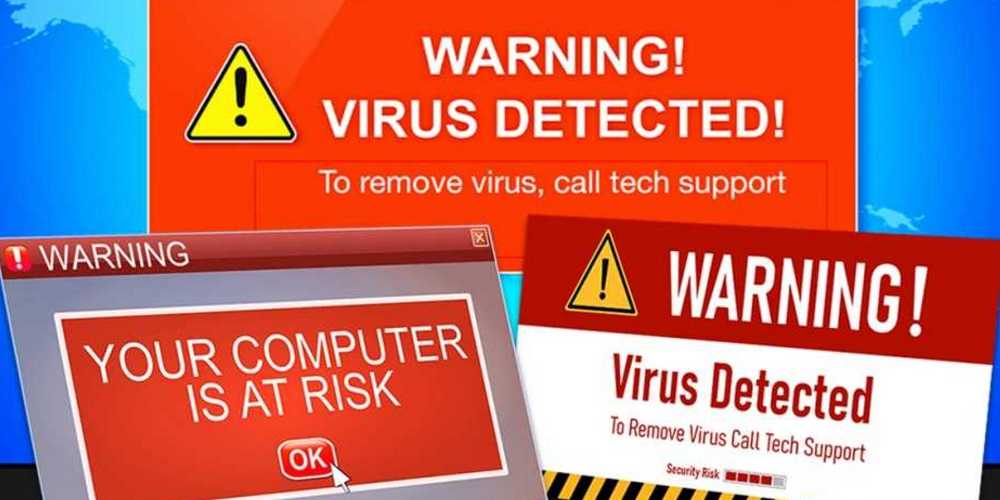
The 2023 IC3 Elder Fraud Report takes a deep dive into the problem at hand including the statistics behind fraud victim complaints to the agency. Some of the leading complaint categories include tech support, confidence/romance, and investment. Cryptocurrency fraud also played a significant part with financial losses, including crypto investment scams.

  • Age 60+ Complainants: 101,068
  • Average Dollar Loss: $33,915
  • Lost More Than $100,000: 5,920
  • Total Losses: $3,427,717,654
  • Total Increase Over Previous Year: 11%
  • Cryptocurrency Investment Scam Loss: Over $1.1 billion, 15,000 complaints

Why 60+ = Target

Seniors present a tempting target because many have a financial nest egg that scammers love to crack, with some victims losing their entire savings to scams. Also, seniors tend to be trusting. Remember, it’s a generation that didn’t grow up with technology and that could help explain why tech support and cryptocurrency scams are so successful. The IC3 finds there were 17,696 tech scams and 12,284 crypto scams reported.

Avoiding Elder Fraud

Elder Americans can help keep scam opportunities at a minimum or avoid them altogether. It’s safe to assume there will always be attempts, but knowing ahead of time what a scam looks like and what to do about it is invaluable.

  • Limit personal information on Facebook and other social media and never post birthdates, special events or family names. Scammer’s troll these websites for information they can use to pull you into a scam.
  • If you don’t recognize a phone number, don’t answer. The same goes for unknown email senders, and never open their attachments.
  • Don’t be pressured or scared into acting. Legitimate organizations never use pressure tactics, and the IRS and other agencies will only contact you by mail.
  • If you have been scammed, report it immediately to the FBI or IC3, local law enforcement and your financial institution. Consider putting a freeze on your credit report since it can help limit your financial liability, and regularly check your banking statements and credit reports for unusual activity.
  • Protect your financial and other accounts by using strong passwords that are a minimum of eight characters and a mix of letters, numbers, and symbols. If you suspect an account has been breached, change your password as soon as possible and enable multifactor authentication (MFA) whenever it’s available.


Senior Safety Online – AARP’s Top Tips For Data Security

Identity Theft

Senior Safety Online – AARP’s Top Tips For Data Security

It’s widely known that seniors are a choice target for cybercriminals. In fact, they are the second most target age group for cybersecurity crimes. Thanks to a publication by AARP “My Online Privacy for Seniors,” this e-book offers ways this vulnerable population can be smarter about their online security. It offers basic steps and strategies for keeping PII secure. Below are some of the AARP’s top online tips for seniors, so share them with an older friend or loved one – they’ll thank you for it. READ FULL STORY

You've Got Malware, We've Got Help

Your Security

You've Got Malware, We've Got Help

The world of mobile viruses can be a bit confusing, right? Don't worry, we’ve got you. While your phone can fall victim to malware, it's highly unlikely that it’s going to result in an unrecoverable situation. What you may encounter are things like adware, bloatware, or those pesky pop-ups that drive you nuts. There is no shortage of those these days. These all can hitch a ride from third-party websites, apps, or even those suspicious email and text messages you receive all the time. But here we are to help! READ FULL STORY

They Just Don't Give Up; FBI Warns Of Re-invented Tech Support Scam Targeting Seniors

Scams & Phishing

They Just Don't Give Up; FBI Warns Of Re-invented Tech Support Scam Targeting Seniors

The FBIs Internet Crime Complaint Center (IC3) unit is warning the public, especially older adults, about an increase in tech support scams. These persistent little scams just won’t go away; instead they just get revised and reinvented to target new potential victims. In this latest version, scammers pretend to be from legitimate companies, contacting primarily older victims through phone calls, texts, emails, or even pop-up windows. A quick look at this scam reveals how easy it is to spot. READ FULL STORY


Close
Fraud News & Alerts!

Keep up with the latest cyber security news through our weekly Fraud News & Alerts updates. Each week you will receive an email containing the latest cyber security news, tips and breach notifications.


You're all set!

You will receive your first official security update email within the next week.

A welcome email has also just been sent to you. If you do not receive this email within the next few minutes, please check your Junk box or spam filter to confirm our emails are not being blocked.


Help  
Enter any word or words you like.        

The email newsletter will arrive from news@stickleyonsecurity.com


Loading
Please wait...