Accessibility links
  • Skip to main content
News Icon NEWS FILTER
All News Scams & Phishing Your Security Mobile Security Identity Theft Corporate Security Security Education Videos
Search Icon SEARCH
 

Email Icon SUBSCRIBE TO WEEKLY NEWSLETTER
March 31 Reminds Us That One Small Action Could Save Your Digital Life
Facebook   X   LinkedIn   Email

March 31 Reminds Us That One Small Action Could Save Your Digital Life

March 30, 2026

You’ve been waiting a whole year for it. The wait has ended! World Backup Day lands every March 31, right in that stretch of blink-and-you-miss-it holidays that some of us have off from work and others don’t. It’s highly unlikely you won’t get a holiday for this one either (though maybe we should lobby for it), but it does come with a pretty important message: protect your digital life before it disappears.

Data loss can happen in all kinds of ways. A cyberattack, a spilled cup of coffee, or even a simple wrong click can wipe out important files in seconds.

The numbers tell the story

If you think it won’t happen to you, think again. Studies show that millions of devices are lost, stolen, or infected with malware every year, and many people never recover their data. In fact, hundreds of phones are reported lost or stolen every minute worldwide; 113 to be more precise, and malware continues to target everyday users. On top of that, according to the World Backup Day website, 21% of people have never, ever backed up their devices. If you’re one of them, perhaps you should reconsider.

Backing up your computer

  • For laptops and desktops, you have a couple of solid options:
  • External hard drives: Affordable and reliable. Tools like Windows Backup or Time Machine can automate the process. Otherwise, many of them are essentially large USB drives that you can copy your important file right to.
  • Cloud storage: Services like Google Drive or OneDrive keep your files accessible from anywhere. Just remember, you’re trusting a third party with your data. If they experience a data breach, whoever got into their systems, can run off with your data.

Don’t forget your phone

  • Your smartphone holds just as much, if not more information.
  • Enable automatic backups using cloud services on your device, or
  • Connect your phone to a computer occasionally for a local backup.

The same goes for any of your tablets.

Make it a habit

A good backup plan doesn’t take much effort:

  • Turn on automatic backups.
  • Test your backups to make sure they work.
  • Keep a copy separate from your main device.
  • Don’t forget the passwords or security for your backup devices.

A small step with big payoff

Backing up your data may not be exciting, but losing it definitely gets your attention. Take a few minutes this World Backup Day to protect what matters most.

Go ahead, make it official: “I solemnly swear to back up my important documents and memories.”


 Storing Passwords In Your Browser…It’s Convenient, BUT Very Risky Too

Your Security

Storing Passwords In Your Browser…It’s Convenient, BUT Very Risky Too

Most of us know that password fatigue can lead to security mishaps and that creating a safe and secure entrance into our personal or work accounts can be a real challenge. Fortunately, security experts also know that safe password use has long been a problem, one that can lead to epic malware infections like ransomware, banking trojans, and more. Popular browsers like Chrome, Firefox, Safari, and Opera offer the option to store passwords for you, but hackers using the malware “RedLine Stealer” can hijack those stored passwords in a heartbeat. READ FULL STORY

Massive 700Credit Data Breach Leaves Information of Millions at Risk

Identity Theft

Video Icon Massive 700Credit Data Breach Leaves Information of Millions at Risk
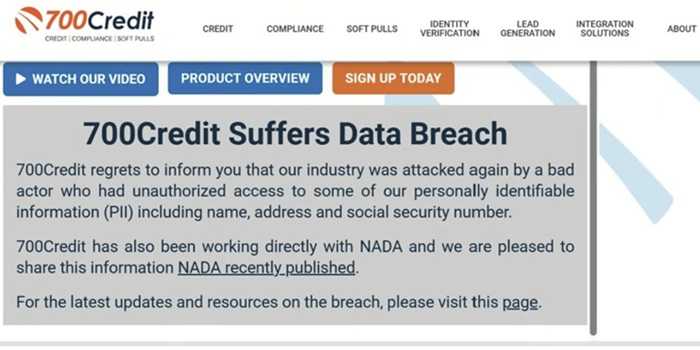
In a stark reminder that even companies you’ve never heard of can affect your daily life, credit check firm 700Credit has confirmed a major data breach that exposed sensitive personal information for more than 5.8 million individuals across the United States. And it wasn’t even due to their own mistakes, but occurred through a third party with which they do business and exchange information. The unauthorized access actually occurred between May and October 2025. READ FULL STORY

Tech Gadgets Bring Risks—What Parents Need to Know to Keep Kids Safe Online

Identity Theft

Tech Gadgets Bring Risks—What Parents Need to Know to Keep Kids Safe Online

The holidays have come and gone which means shiny new video game consoles, tablets, smart toys, and all sorts of internet-connected devices are likely in kids’ hands. While these gifts bring plenty of joy, they also open the door to cybercriminals who see children as easy targets. That’s why parents often become the last line of defense between online predators, scammers, and a child who’s simply excited to try out their new gear. A few smart precautions now can help ensure your child’s tech stays a source of excitement instead of risk. READ FULL STORY

LastPass Users Targeted by Fake Backup  Phishing Scam

Scams & Phishing

LastPass Users Targeted by Fake Backup Phishing Scam

LastPass users are being targeted by phishing emails urging “urgent vault backups” before fake maintenance. These messages aim to steal master passwords by leading victims to counterfeit sites. Attackers are sending deceptive emails claiming LastPass will perform scheduled maintenance and that users must “backup your password vault within 24 hours.” It’s no surprise that it leads to phishing sites designed to capture your master password. READ FULL STORY

Third Party Data Breach Exposes Sensitive Information of Banking Customers

Identity Theft

Third Party Data Breach Exposes Sensitive Information of Banking Customers

Wall Street is scrambling after hackers infiltrated SitusAMC, a New York-based real estate data firm serving over 1,500 financial institutions. The cyberattack has potentially exposed sensitive customer data from major banks including JPMorgan Chase, Citigroup, and Morgan Stanley. Customers of major financial institutions that use SitusAMC for mortgage payment processing may be at risk. The breach could expose personally identifiable information, financial account details, and legal documents. READ FULL STORY


Close
Fraud News & Alerts!

Keep up with the latest cyber security news through our weekly Fraud News & Alerts updates. Each week you will receive an email containing the latest cyber security news, tips and breach notifications.


You're all set!

You will receive your first official security update email within the next week.

A welcome email has also just been sent to you. If you do not receive this email within the next few minutes, please check your Junk box or spam filter to confirm our emails are not being blocked.


Help  
Enter any word or words you like.        

The email newsletter will arrive from news@stickleyonsecurity.com


Loading
Please wait...