Accessibility links
  • Skip to main content
News Icon NEWS FILTER
All News Scams & Phishing Your Security Mobile Security Identity Theft Corporate Security Security Education Videos
Search Icon SEARCH
 

Email Icon SUBSCRIBE TO WEEKLY NEWSLETTER
What Is A Brushing Scam?
Facebook   X   LinkedIn   Email

What Is A Brushing Scam?

March 6, 2026

We haven’t talked about brushing scams much of late. However, there is one happening now that is significant enough that the FBI’s IC3 unit issued a warning about it. It involves mystery packages being delivered to your home with no information about where they came from. And to make it easier for you to fall for the scam, a convenient QR code is inside so you can solve the mystery easily and deliver your money to the scammers too.

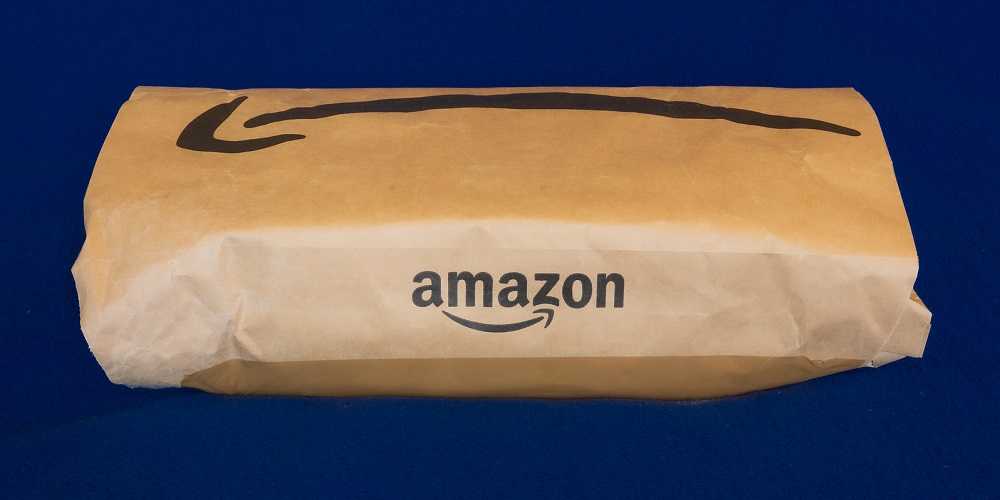
A brushing scam is when a package arrives at your door that you have no knowledge of ordering. It’s a way sellers, often on Amazon, boost their ratings for products. They send the mystery package and then use the recipient’s information to write phony reviews. However, in this version, they include a QR code to scan where the personal information, including financial details, is entered to find out where it came from. In some cases, malware might be downloaded as well.

The IC3 included some tips on avoiding this, and other brushing scams:

  • Be wary of packages arriving at your door without expecting them that contain products that you did not order.
  • Use a healthy dose of skepticism if you receive packages that omit sender details.
  • Keep your login and financial details close to you. Don’t give it to anyone that you cannot verify actually needs it.
  • Do not scan QR codes randomly. Know what you’re scanning.

Final advice if you think you might have been a victim of this or any other brushing scam: Chang your account profiles and request a free credit report from at least one of the national credit reporting agencies (Equifax, Experian, and/or TransUnion). Review it carefully and report anything suspicious or unfamiliar to the agency.

While the IC3 does acknowledge this isn’t as common a scam as some of the others out there, it’s still prevalent enough for them to put out the alert. 


Money Mule Scams Are More Common Than You Would Expect

Education

Money Mule Scams Are More Common Than You Would Expect

A money mule scam is when someone sends money to you and asks you to send a portion of it to someone else. They often ask you to use gift cards or wire transfers. The money they are providing you is likely stolen. Drug trafficking and human tracking are also common sources of the money, and they're lying about the reason they need you to send it. The relationship, job, prize or other reason they use is not real and they are only using you to launder money.  READ FULL STORY

Social Media Brings Out The Worst Scammers

Scams & Phishing

Social Media Brings Out The Worst Scammers

Social media attacks are a favorite of those pesky cybercriminals. One might wonder why. Well, it’s because it’s easy pickin's going for those accounts. Researchers at Arkose Labs found that of 1.2 billion social media interactions, 53% of the logins were fraudulent and 25% of new accounts were phony. Millions of people use one form of social media or another, whether it’s Facebook, Instagram, Snapchat, LinkedIn, or something else. That leaves a barrel full of phish used for targets for hackers and scammers. READ FULL STORY

Social Media Free Giveaway Scams Come With Hefty Costs

Scams & Phishing

Social Media Free Giveaway Scams Come With Hefty Costs

That $1,000 Amazon gift card you were promised for filling out a survey was never intended to be paid but is in fact a giveaway scam you just fell for. You may think there’s no real harm in filling out a bogus survey, but the real thing about these scams is that it’s stealing your PII (personally identifiable information). The enduring and timeless nature of scam giveaways show that, people don’t change much when it comes to getting something for nothing. READ FULL STORY

Facebook, Instagram Shopping Scams Run Wild And Rake In Millions

Scams & Phishing

Facebook, Instagram Shopping Scams Run Wild And Rake In Millions

Data recently released by the Federal Trade Commission (FTC) shows that the number of complaints about social media shopping scams more than tripled over the last year. Consumers reported losing more than $117 million to this type of scam in just the first six months of 2020 compared to $134 million for all of 2019, according to the FTC’s latest Consumer Protection Data Spotlight. The social media sites overwhelmingly involved in these scams are Facebook and Instagram, with consumer scam reports totaling 94% of all rip-offs involving a specific platform. READ FULL STORY

Amazon “Free Stuff” Brushing Scam Makes Victims Pay The Price

Scams & Phishing

Amazon “Free Stuff” Brushing Scam Makes Victims Pay The Price

Open your front door and there they are, boxes from Amazon you weren’t expecting. The thought of getting free stuff might give you a giggle, but the truth is, the last laugh could be at your expense. That’s because you’ve just been pulled into a “brushing” scam using you and Amazon to work. Brushing scams are happening more often than ever before, and a closer look at them shows how free stuff could end up costing you. If you find yourself the target of a brushing scam, it means the scammer already has enough of your PII to involve you. READ FULL STORY


Close
Fraud News & Alerts!

Keep up with the latest cyber security news through our weekly Fraud News & Alerts updates. Each week you will receive an email containing the latest cyber security news, tips and breach notifications.


You're all set!

You will receive your first official security update email within the next week.

A welcome email has also just been sent to you. If you do not receive this email within the next few minutes, please check your Junk box or spam filter to confirm our emails are not being blocked.


Help  
Enter any word or words you like.        

The email newsletter will arrive from news@stickleyonsecurity.com


Loading
Please wait...