Accessibility links
  • Skip to main content
News Icon NEWS FILTER
All News Scams & Phishing Your Security Mobile Security Identity Theft Corporate Security Security Education Videos
Search Icon SEARCH
 

Email Icon SUBSCRIBE TO WEEKLY NEWSLETTER
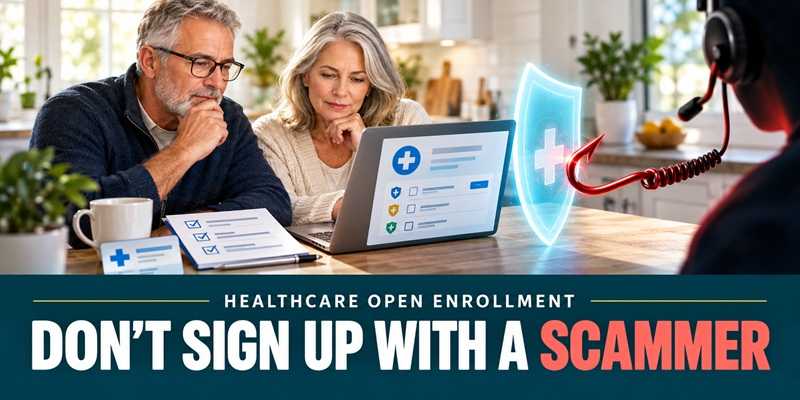
It’s Healthcare Open Enrollment Season. Don’t Sign Up With a Scammer
Facebook   X   LinkedIn   Email

It’s Healthcare Open Enrollment Season. Don’t Sign Up With a Scammer

October 12, 2026

Open enrollment is nearly here for some and almost here for everyone else. This means millions of people are comparing healthcare plans, checking prices, and trying to figure out what coverage makes the most sense for the coming year. Whether you’re reviewing Medicare options or browsing Affordable Care Act (ACA) plans, you’ve got until mid-December to lock in your choices. But while you’re doing your homework, cybercriminals are doing theirs — and they’re already flooding inboxes, texts, and phone lines with scams designed to steal your personal and financial information.

This time of year, scammers step up their game with everything from fake enrollment websites to smooth-talking callers posing as “helpful” agents. Some messages are blasted out in bulk, while others look surprisingly personalized. The goal is always the same: get you to hand over Social Security numbers, insurance details, or banking information under the guise of helping you choose a plan.
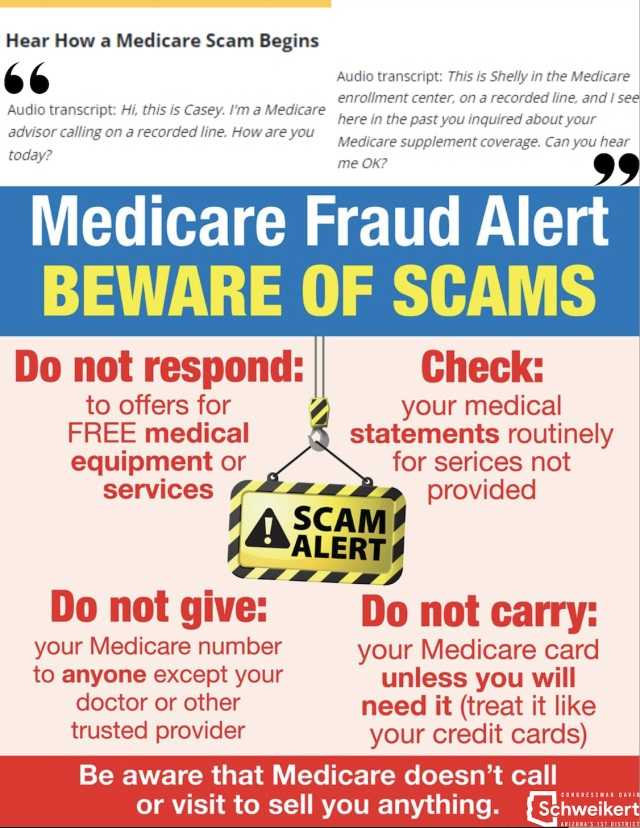
The Federal Trade Commission (FTC) warns consumers to stay alert and offers the following reminders to help sidestep enrollment-season traps:

  • There is no such thing as an “official Medicare agent.” Anyone using that title is trying to deceive you.
  • Medicare Part D, the prescription plan, is voluntary. If someone claims you must enroll to keep benefits, they’re not being honest.
  • Medicare will never call you out of the blue to “confirm your information.” If you didn’t initiate the call using a verified number, hang up — it’s likely a scam.
  • For real Medicare information, start at Medicare.gov.
  • For ACA coverage, the only legitimate federal site is Healthcare.gov. Many states have their own exchanges, and you can find the official ones through the federal site.
  • Buying private insurance? Check your state insurance commissioner’s website to verify licensed sellers.
  • Whatever you do, don’t click ads on social media to shop for these plans. There’s a pretty good chance they’re scams.

If you come across a suspicious call, message, or website during open enrollment, report it. Send Medicare-related scams to Medicare.gov and all others to the FTC. The more information they have, the faster they can shut down these schemes.

Stay sharp, stay informed, and don’t let scammers choose your healthcare plan for you.


Avoiding Insurance Fraud And Fraudsters

Scams & Phishing

Avoiding Insurance Fraud And Fraudsters

Insurance fraud is a problem everywhere and it makes things more expensive for those of us playing by the rules. With this fraud in particular, whether it’s for our health, car, or home, fraudsters are scamming like never before. Suspecting a sketchy seller and policy in an open marketplace can help prevent a potential nightmare. Knowing tell-tale signs of insurance fraud when we see it is smart shopping, and the information below will help. READ FULL STORY

Your Shared Financial, Legal, or Healthcare Documents Could Be at Risk

Identity Theft

Your Shared Financial, Legal, or Healthcare Documents Could Be at Risk

An emergency cybersecurity warning has organizations across the country shutting down file-sharing servers to protect sensitive data from a credible cyber threat. While this isn't a household name like Facebook or Gmail, millions of Americans interact with ShareFile without even realizing it. It's commonly used by banks, accountants, law firms, insurance agencies, healthcare providers, and mortgage companies to exchange tax returns, financial records, medical documents, and other sensitive files. Here's what happened, why experts are taking this threat so seriously, and what you should do if you've recently shared documents through a ShareFile portal. READ FULL STORY

Your Health Data May Have Been Hunted

Identity Theft

Your Health Data May Have Been Hunted

A cyberattack involving legacy systems belonging to Exact Sciences (now owned by Abbot) has put potentially sensitive patient information in the hands of cybercriminals. The ShinyHunters group claims it stole and later published data that includes millions of email addresses along with names, addresses, phone numbers and health-related information. Abbott says it is investigating the incident and has not confirmed exactly what information was taken. For patients and healthcare providers, this is another reminder that medical information can remain exposed long after the systems that originally collected it are considered "legacy." Your Health Data May Have Been Hunted READ FULL STORY

MyChart Has an Epic New Problem: Scammers Want Your Medical Information

Scams & Phishing

MyChart Has an Epic New Problem: Scammers Want Your Medical Information

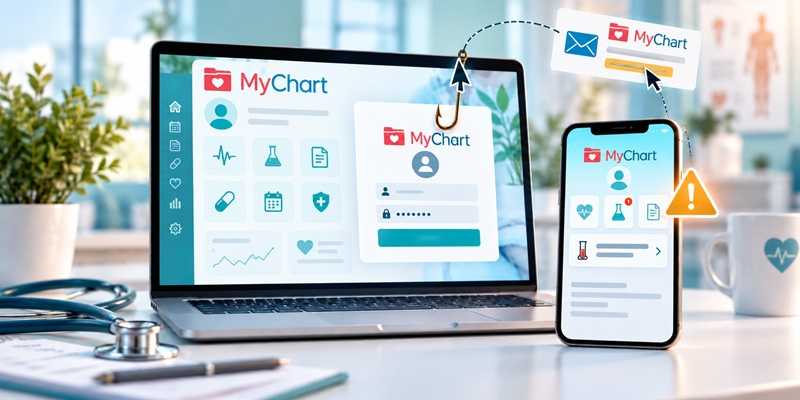
If you use MyChart to check lab results, schedule appointments, message your doctor, or pay a medical bill, there's a new scam you need to know about. Cybercriminals are sending emails and text messages that use the familiar MyChart name and logo to make them look legitimate. Some promise some freebies, while others claim you have important medical results waiting. The goal is to get you to click, hand over personal information, or even install malware. READ FULL STORY

 Medicare Phone Scams Circulating Now

Scams & Phishing

Video Icon Medicare Phone Scams Circulating Now

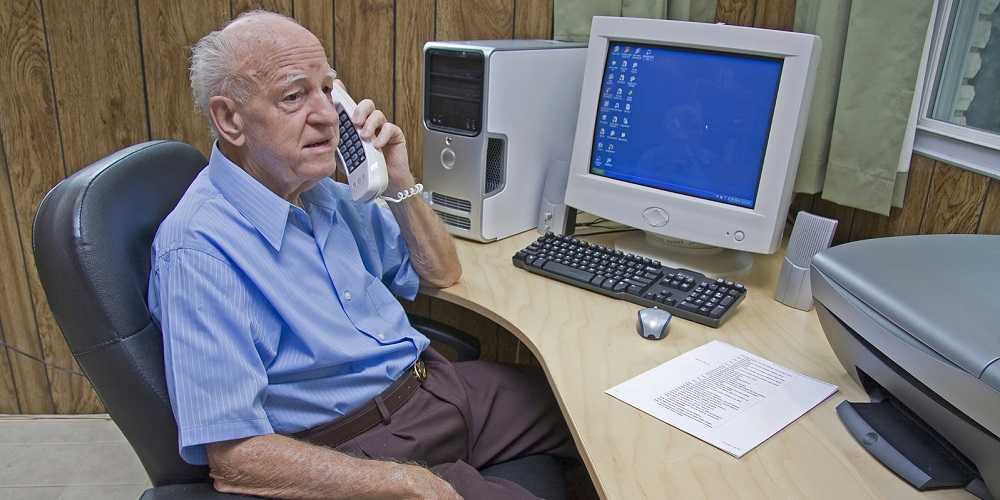
Senior citizens and others on Medicare are an ongoing target for scammers. However, some Medicare scams spike at various points during the year, like other types of scams such as tax-related ones. Phone scams abound during peak “attention” time, such as the Medicare open enrollment period (OEP) with the goal of stealing PII for financial and other identity crimes. Those on Medicare and the people who care for them need to know how these OEP scams happen and how to avoid them. READ FULL STORY


Close
Fraud News & Alerts!

Keep up with the latest cyber security news through our weekly Fraud News & Alerts updates. Each week you will receive an email containing the latest cyber security news, tips and breach notifications.


You're all set!

You will receive your first official security update email within the next week.

A welcome email has also just been sent to you. If you do not receive this email within the next few minutes, please check your Junk box or spam filter to confirm our emails are not being blocked.


Help  
Enter any word or words you like.        

The email newsletter will arrive from news@stickleyonsecurity.com


Loading
Please wait...