Accessibility links
  • Skip to main content
News Icon NEWS FILTER
All News Scams & Phishing Your Security Mobile Security Identity Theft Corporate Security Security Education Videos
Search Icon SEARCH
 

Email Icon SUBSCRIBE TO WEEKLY NEWSLETTER
Watch Out For Scammers Pretending To Be FDIC Or OIG Officials
Facebook   X   LinkedIn   Email

Watch Out For Scammers Pretending To Be FDIC Or OIG Officials

August 29, 2026

Scammers are increasingly pretending to be officials from the Federal Deposit Insurance Corporation (FDIC) or the FDIC Office of Inspector General (OIG). Reaching you by phone, email, text, or even via social media and demanding money or personal information. According to an alert from the FDIC OIG, these impersonation scams often use official-sounding names, real official-looking seals or logos, and urgent or threatening language to seem legitimate.

Here’s how these scams typically work:
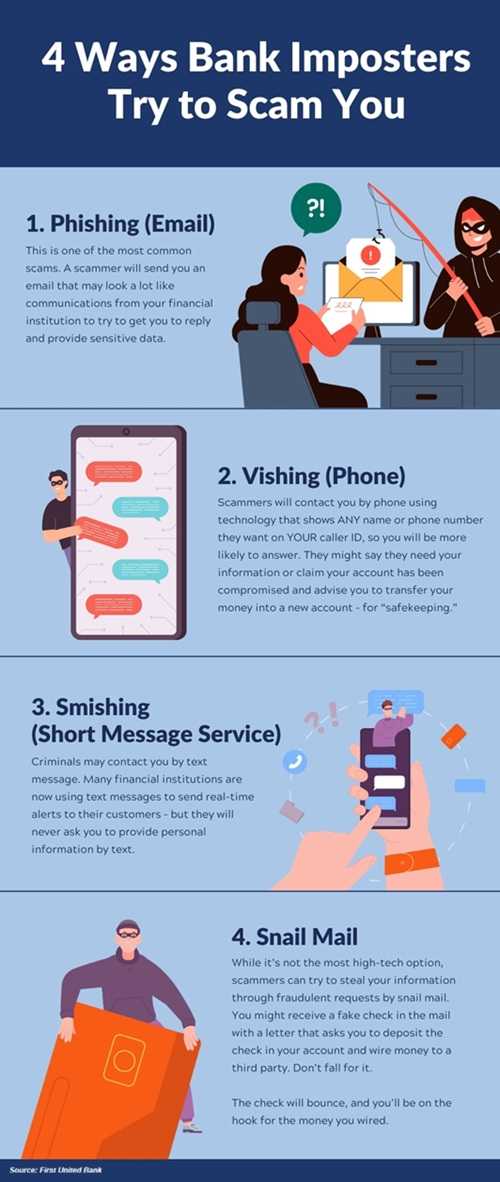
You might get a call or message saying you’ve been “selected” for a grant or compensation, but only after you “verify” your bank account, pay a fee, or share personal details.

Alternatively, scammers might claim you’re under investigation and must pay a fine via gift cards, wire transfer, or digital currency to avoid arrest or account freezing.

Even the payment methods are a warning sign. No legitimate government agency will ever demand payment by gift card, cryptocurrency, or ask for your banking login (ever) or Social Security number out of the blue.

How to Protect Yourself:

  • Know who contacts you. If someone claiming to be from FDIC or FDIC OIG reaches out unexpectedly, treat it as suspicious. These agencies do not send out unsolicited correspondence asking for sensitive information.
  • Never give personal info or pay before verifying. Don’t share account numbers, Social Security numbers, or send money. This is especially true if they ask for it using gift cards or cryptocurrency.
  • Contact FDIC directly. If you’re unsure, use a phone number from the FDIC’s official website or call your financial institution’s main line to verify any claims.
  • Avoid clicking links or calling unknown numbers. Scammers often include malicious links or fake phone numbers to seem real. Don’t use them. Find this information independently.
  • Report suspicious contacts. The FDIC OIG has a hotline you can use to report impersonation attempts, even if no money was lost. 

When in doubt, pause, verify, and protect yourself. Stay skeptical of unsolicited requests. Real agencies don’t demand money under pressure. There’s always time to stop and think.


Simple Habits That Make You a Tougher Target for Cybercrooks

Your Security

Simple Habits That Make You a Tougher Target for Cybercrooks

It’s already well into the new year and a fresh year usually brings fresh goals—exercise more, spend less, maybe try a new hobby. But one resolution that deserves a permanent spot on everyone’s list is tightening up your personal cybersecurity. Cyberthreats don’t take holidays, and scammers aren’t slowing down. In fact, they’re getting bolder, trickier, and faster at finding new ways to get into your accounts and steal your money or data. READ FULL STORY

A Scammer Can Wreak Havoc With Your Online Banking Account Number

Your Security

A Scammer Can Wreak Havoc With Your Online Banking Account Number

Most people know to protect their Social Security number, debit card PIN, or online banking password. But many don’t realize that something far more ordinary—your bank account number—can also be a goldmine for scammers. It may not seem sensitive at first glance (after all, it’s printed on every check), but in the wrong hands, it can lead to serious financial trouble. While banks often catch suspicious activity, scammers know that many people don’t check their accounts daily, giving them time to slip transactions through. READ FULL STORY

Hi, It’s Not Me: It's a 148% Rise in Impersonation Scams

Scams & Phishing

Hi, It’s Not Me: It's a 148% Rise in Impersonation Scams

Impersonation scams have exploded—and we’re not talking about your buddy doing a bad Elvis impression. According to the Identity Theft Resource Center’s latest 2025 Trends in Identity report, these scams have shot up a whopping 148% and are now the most-reported identity crime. The scammers? They’re posing as banks, tech support reps, and even your own family. The scary part? They’re convincing—way too convincing. Sadly, there is no shortage of examples of these. READ FULL STORY

Online Banking Smishing Scam
Mobile Security

Video Icon Online Banking Smishing Scam

Text message scams are on the rise and in this Today Show segment, Jim Stickley demonstrates how easy it is from criminals to perform these attacks. Most people receive legitimate text alerts from their financial institution so a malicious text can be very believable. DON'T CLICK EVER. Simply open your mobile app or open a browser and sign into your account. If there is a real fraud alert, you will be notified once you are logged in. READ FULL STORY

Business Email Spoofing On The Rise

Corporate Security

Business Email Spoofing On The Rise

While the headlines are focused on ransomware attacks, spoofed emails are getting sneakier and more successful. Bad actors are always finding new ways to hack their way into businesses, and spoofing email addresses are proven way of doing just that. During the first 100 days of the coronavirus outbreak, spoofing attacks increased by 30%. This type of phishing email can sneak past antivirus security and lead to data theft, fraudulent wire transfers, ransomware, BEC (business email compromise), and more. READ FULL STORY


Close
Fraud News & Alerts!

Keep up with the latest cyber security news through our weekly Fraud News & Alerts updates. Each week you will receive an email containing the latest cyber security news, tips and breach notifications.


You're all set!

You will receive your first official security update email within the next week.

A welcome email has also just been sent to you. If you do not receive this email within the next few minutes, please check your Junk box or spam filter to confirm our emails are not being blocked.


Help  
Enter any word or words you like.        

The email newsletter will arrive from news@stickleyonsecurity.com


Loading
Please wait...