Accessibility links
  • Skip to main content
News Icon NEWS FILTER
All News Scams & Phishing Your Security Mobile Security Identity Theft Corporate Security Security Education Videos
Search Icon SEARCH
 

Email Icon SUBSCRIBE TO WEEKLY NEWSLETTER
Your Financial Institution Is Calling. Or Is It?
Facebook   X   LinkedIn   Email

Your Financial Institution Is Calling. Or Is It?

September 30, 2026

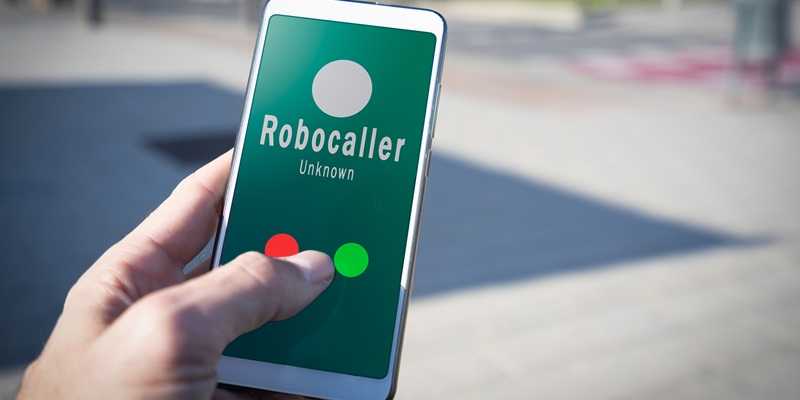
The phone rings. The number looks familiar, maybe even your financial institution’s official number that you see on the back of your payment card, for example. On the other end of the line, a calm voice warns of “fraud” on your account and urges immediate action. According to FBI alerts, that’s exactly the trap.

This scam hinges on caller ID spoofing, where criminals manipulate phone numbers so calls appear legitimate. Victims are told their accounts are compromised and are “helpfully” guided step-by-step to secure their money. In reality, they’re being coached to hand it over or reveal sensitive details like passwords, PINs, or verification codes.  

The tactic works because it blends urgency with authority. Scammers may (likely do) already have bits of your personal data, making the call feel authentic. After all, our data is compromised more than we’d like these days. And the criminals know that once trust is established, they can pivot quickly, often convincing victims to transfer funds or grant account access. Losses can reach tens of thousands in the blink of an eye.

The FBI’s advice is blunt and effective: hang up. Employees at financial institutions don’t ask for full credentials or demand immediate transfers over the phone. If something feels off, take a minute to breathe. Then call the organization directly using the number on your card or their official website, not the one that is showing on your caller ID.  

Key Take Aways:

  • Never trust caller ID alone. Scammers can spoof legitimate bank phone numbers, including the number on the back of your debit card.
  • Hang up and call back yourself. If someone claims to be from your bank, end the call and dial the official number directly from your banking app or card.
  • Never move money to a “safe” account. Legitimate banks and the FBI never ask you to transfer money through Zelle, wire transfers, crypto, or gift cards to “protect” your funds.
  • Don’t share verification codes or passwords. Fraudsters often try to steal one-time passcodes to take over accounts in real time.
  • Watch for pressure tactics. Scammers often create fake emergencies involving fraud alerts, account freezes, or criminal investigations.

Other useful tips:

  • Set up multi-factor authentication on your accounts. If you have a choice, pick the option to use a code generator app or to use a key fob with a random number. Most financial institutions give the option to receive a one time-code, which is better than nothing.
  • Pay attention to any URL addresses to ensure they are legitimate. Look for misspelled names and the use of numbers or special characters in place of letters.
  • Don’t click links or attachments that come unsolicited or from unknown senders. If you are suspicious at all, contact the sender with details you find using independent method, such as looking up the phone number yourself.

In this scam, the voice may sound official, but the playbook is pure deception. Trust your gut. It’s trying to tell you something.


A Scammer Can Wreak Havoc With Your Online Banking Account Number

Your Security

A Scammer Can Wreak Havoc With Your Online Banking Account Number

Most people know to protect their Social Security number, debit card PIN, or online banking password. But many don’t realize that something far more ordinary—your bank account number—can also be a goldmine for scammers. It may not seem sensitive at first glance (after all, it’s printed on every check), but in the wrong hands, it can lead to serious financial trouble. While banks often catch suspicious activity, scammers know that many people don’t check their accounts daily, giving them time to slip transactions through. READ FULL STORY

Walmart Impersonation Robocall Scams On The Rise

Scams & Phishing

Walmart Impersonation Robocall Scams On The Rise

Scammers posing as Walmart employees are behind a frightening new robocall campaign that has duped thousands across the country. According to investigators at the Federal Communications Commission (FCC) and sanctioned Industry Traceback Group, the campaign — traced to just one network provider over a few-month span — delivered nearly eight million illegal robocalls between January 21 and April 11, 2025. And it's likely you received a few of those calls. READ FULL STORY

Business Email Spoofing On The Rise

Corporate Security

Business Email Spoofing On The Rise

While the headlines are focused on ransomware attacks, spoofed emails are getting sneakier and more successful. Bad actors are always finding new ways to hack their way into businesses, and spoofing email addresses are proven way of doing just that. During the first 100 days of the coronavirus outbreak, spoofing attacks increased by 30%. This type of phishing email can sneak past antivirus security and lead to data theft, fraudulent wire transfers, ransomware, BEC (business email compromise), and more. READ FULL STORY

Top Email Scams Fooling Us These Days

Scams & Phishing

Top Email Scams Fooling Us These Days

Your inbox might look harmless, but cybersecurity experts say some of the most dangerous scams are hiding in plain sight. Despite awareness campaigns and sophisticated security tools, scammers are staying one step ahead, and they're using urgency, deception, and artificial intelligence to make their attacks nearly impossible to detect. According to the FBI's Internet Crime Complaint Center's Internet Crime Report, 193,407 Americans reported falling victim to phishing and spoofing in 2024 and some of these scams are more effective than others. READ FULL STORY

These Companies May Try to Phish You

Scams & Phishing

These Companies May Try to Phish You

Every year, one of the cybersecurity companies in the world releases a report of the most impersonated firms used in phishing attacks. Unsurprisingly and typically, many of those companies are technology firms. Recently, Check Point released their report on this topic and it’s unlikely anyone will be surprised to see the results. Just taking a moment to consider whether the message is legitimate or not, may save you from a lot of stress. READ FULL STORY


Close
Fraud News & Alerts!

Keep up with the latest cyber security news through our weekly Fraud News & Alerts updates. Each week you will receive an email containing the latest cyber security news, tips and breach notifications.


You're all set!

You will receive your first official security update email within the next week.

A welcome email has also just been sent to you. If you do not receive this email within the next few minutes, please check your Junk box or spam filter to confirm our emails are not being blocked.


Help  
Enter any word or words you like.        

The email newsletter will arrive from news@stickleyonsecurity.com


Loading
Please wait...