Agencies Warning Gmail, Outlook, and Apple Mail Users of Fire-Related Scams
February 16, 2025
As with all catastrophes and other disasters and big events, scammers seem to come out of the ashes to take advantage of empathizers among us. In the aftermath of the recent California wildfires, cybercriminals are exploiting the situation to target users of Apple Mail, Gmail, and Outlook with sophisticated scams. These malicious actors are leveraging the urgency and emotional impact of the disaster to deceive well-intentioned individuals.
Phishing Emails and Fake Donation Requests
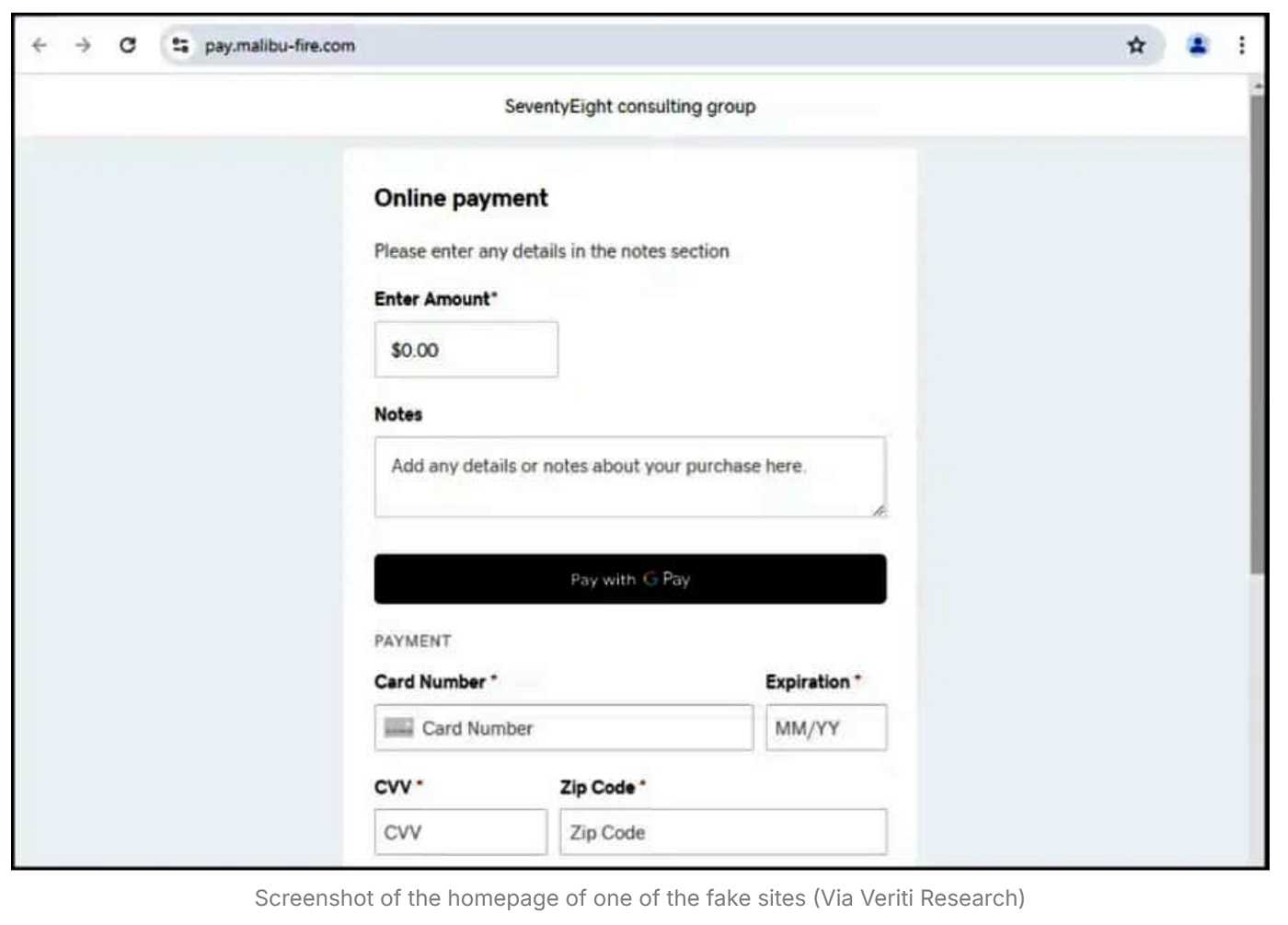
Scammers are sending phishing emails that appear to come from legitimate organizations, urging recipients to donate to wildfire relief efforts. These emails often contain links to fraudulent websites designed to steal personal and financial information. The California Cybersecurity Integration Center (Cal-CSIC) has issued warnings about such wildfire-themed phishing attempts. It included screenshots of some of the scams using the wildfires as a lure in its PSA (CAL-CSIC-202501-006).
AI-Driven Personalization
Recent reports highlight that cybercriminals are using AI tools to craft hyper-personalized emails, making it increasingly difficult for users to identify fraudulent messages. These emails may reference specific details gleaned from social media and other public sources, enhancing their credibility.
Fake Crowdfunding Campaigns
There have also been instances of fraudulent crowdfunding campaigns, such as fake GoFundMe pages, purportedly raising funds for wildfire victims. These scams exploit the goodwill of individuals looking to help those affected by the fires.
Some of the identified phony domains are:
- malibu-fire[.]com
- fire-relief[.]com
- Calfirerestoration[.]store
- fire-evacuation-service[.]com
- Lacountyfirerebuildpermits[.]com
- Pacificpalisadesrecovery[.]com
- boca-on-fire[.]com
- palisades-fire[.]com
- palisadesfirecoverage[.]com
Protective Measures
 To safeguard yourself from these scams, consider the following steps:
- Verify Before Donating: Before contributing to any charity or crowdfunding campaign, research the organization to confirm its legitimacy. Use trusted platforms and be cautious of unsolicited requests for donations. Don’t use links provided in email, but find them on your own.
- Be Wary of Unsolicited Emails: Exercise caution with emails requesting personal information or urging immediate action. Verify the sender's authenticity and avoid clicking on suspicious links or attachments.
- Enable Multi-Factor Authentication (MFA): Implement MFA on your email and other critical accounts to add an extra layer of security against unauthorized access. Do this with each online account when its available.
- Stay Informed: Keep abreast of official communications from reputable sources regarding relief efforts and potential scams. This includes Cal-CSIC.
By remaining vigilant and following these best practices, you can protect yourself and ensure that your support reaches those truly in need during this challenging time.

 SUBSCRIBE TO WEEKLY NEWSLETTER





 Examples Of Common Smishing Scams