Accessibility links
  • Skip to main content
News Icon NEWS FILTER
All News Scams & Phishing Your Security Mobile Security Identity Theft Corporate Security Security Education Videos
Search Icon SEARCH
 

Email Icon SUBSCRIBE TO WEEKLY NEWSLETTER
Think Before You Tap: Malicious Apps Are Slipping Into Google Play
Facebook   X   LinkedIn   Email

Think Before You Tap: Malicious Apps Are Slipping Into Google Play

February 10, 2026

You think all apps in the Google Play Store are safe? Think again. While Google does have security check processes in place, some bad apps still make it into the store. A recent analysis by Zscaler reveals a significant surge in malicious app downloads from the Google Play Store, highlighting the escalating risk for Android users.

Between June 2024 and May 2025, the firm identified a large number of harmful applications collectively installed tens of millions of times from the official App Store. The total count of unique malicious apps rose to 239—up from about 200 the year before—and together these apps were downloaded more than 40 million times.

The upward trend marks a roughly 67 percent year-over-year increase in Android-focused malware activity. According to the report, most of these apps fall into a few major threat categories.

  • Adware
  • Spyware 
  • Banking Trojans

Adware accounts for nearly 70 percent of mobile threat detections. 

These threats are becoming more sophisticated and harder to detect, often hiding behind seemingly legitimate apps that easily attract unsuspecting users.

Banking trojans, in particular, continue to evolve, targeting mobile payment systems and stealing credentials through overlay scams and fake login screens. Many exploit mobile payments and use phishing to conduct attacks such as SIM swaps and payment scams. 

Spyware, meanwhile, saw a dramatic increase, with a sharp rise in apps capable of tracking user activity, harvesting sensitive data, or activating microphones and cameras without consent.

Zscaler’s findings underscore that even Google’s official Play Store remains a viable distribution channel for cybercriminals. While Google has removed most of the identified apps, millions of devices may still harbor infected versions.  Many of these continue to do damage long after they’ve been removed from the Store, because people still use them without knowing they are malicious.

To stay safe, users should download apps only from trusted developers, review permissions carefully, disable accessibility permissions (if you don’t need them), keep devices updated, and rely on built-in protections like Play Protect. 

And although, as discussed, malicious apps still do make it into the official stores, it’s still your best bet to use those over sideloading apps from sources other than those stores.


Digital Wallet Security — Learn Before You Leap

Mobile Security

Digital Wallet Security — Learn Before You Leap

It wasn’t long before the success of digital wallets led to the same idea for storing your sensitive information. But there’s a big difference between storing credit cards versus storing your driver’s license, passport, and other sensitive, personal info. After all, it’s uber-convenient keeping this information in one “identity” wallet. The reality is, the risks can outweigh the rewards and any cybercriminal can tell you that — or would they? READ FULL STORY

Keeping Your Mobile Device Apps Virus Free

Mobile Security

Keeping Your Mobile Device Apps Virus Free

It’s no secret that cybercriminals take advantage of anxiety-filled times and the current coronavirus pandemic (COVID-19) is most certainly one of those moments. The latest cybersecurity news reports that Android smartphones are being targeted with apps claiming to have up-to-date data on COVID-19. These infected apps promise the latest updates, but to unsuspecting users who download them, they also promise malware will surely be installed on your mobile device. READ FULL STORY

You've Got Malware, We've Got Help

Your Security

You've Got Malware, We've Got Help

The world of mobile viruses can be a bit confusing, right? Don't worry, we’ve got you. While your phone can fall victim to malware, it's highly unlikely that it’s going to result in an unrecoverable situation. What you may encounter are things like adware, bloatware, or those pesky pop-ups that drive you nuts. There is no shortage of those these days. These all can hitch a ride from third-party websites, apps, or even those suspicious email and text messages you receive all the time. But here we are to help! READ FULL STORY

Is Sideloading Worth The Risk Of Downloading Malware?

Your Security

Is Sideloading Worth The Risk Of Downloading Malware?

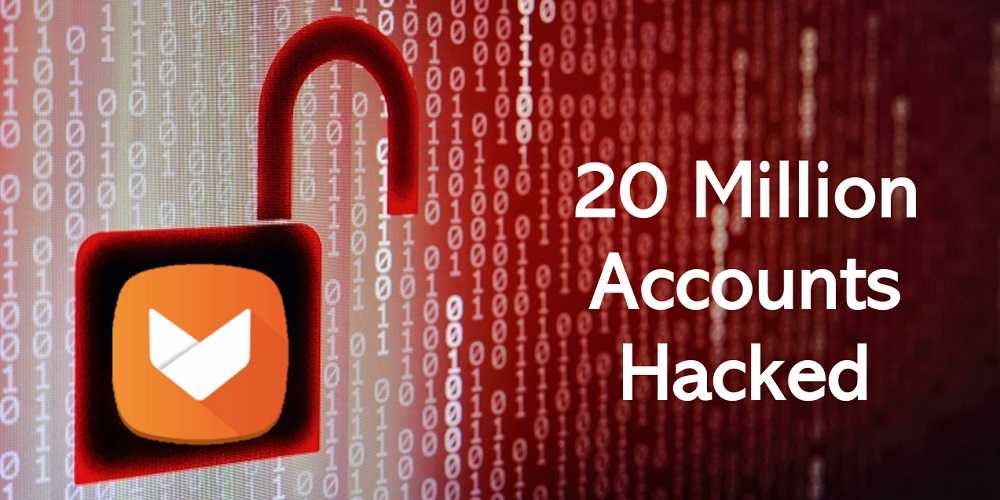
It’s been well-known that sideloading apps is a risky proposition. Just ask the 20 million Aptoide users who recently learned their personally identifiable information (PII) was posted online by a hacker. Aptoide, a popular third-party app “discovery platform” had its database hacked earlier this month. The cybercriminal behind the hack claims that in addition to the 20 million exposed data files, there’s an additional 19 million files in their possession. Whether that’s true or not remains a mystery for now, but the Aptoide incident shows (in a huge way) why app sideloading is risky at best and is not recommended by security professionals. READ FULL STORY

New Malware Sparkles Up Your Android and iOS

Mobile Security

New Malware Sparkles Up Your Android and iOS

Who can you trust these days? Sadly, it’s getting more and more difficult to be sure. However, there are plenty of trustworthy cybersecurity researchers out there, such as those at Kaspersky. They found a mobile trojan just hanging out in the official app stores for the most popular smartphones just waiting to steal all of your photos. And it’s been out there hunting since February of 2024. It’s a follow-up to Kaspersky’s earlier warning about SparkCat spyware.  READ FULL STORY


Close
Fraud News & Alerts!

Keep up with the latest cyber security news through our weekly Fraud News & Alerts updates. Each week you will receive an email containing the latest cyber security news, tips and breach notifications.


You're all set!

You will receive your first official security update email within the next week.

A welcome email has also just been sent to you. If you do not receive this email within the next few minutes, please check your Junk box or spam filter to confirm our emails are not being blocked.


Help  
Enter any word or words you like.        

The email newsletter will arrive from news@stickleyonsecurity.com


Loading
Please wait...