Accessibility links
  • Skip to main content
News Icon NEWS FILTER
All News Scams & Phishing Your Security Mobile Security Identity Theft Corporate Security Security Education Videos
Search Icon SEARCH
 

Email Icon SUBSCRIBE TO WEEKLY NEWSLETTER
Malware Upgrades Attack On Banking Customers
Facebook   X   LinkedIn   Email

Malware Upgrades Attack On Banking Customers

July 26, 2026

A banking malware is making its way through the Americas and North America could be next. BBTok banking malware first discovered in 2020 is back on the scene with significant upgrades. One of the advancements tricks users into supplying sensitive banking information through phishing links and bogus web pages. BBTok's victim list is rapidly growing, with the threat actors suspected of being from Brazil.

One BBTok upgrade is now using fileless injection. This makes detecting the malware through antivirus and other traditional methods unlikely. As a result, fileless attacks are difficult to detect and that makes them difficult to prevent.

Capitalizing on BBTok's fileless attacks, phishing is the main way the malware finds a place to thrive. Previously, BBTok relied on email attachments for infection and has now expanded to also using phishing links. BBTok can even find potential victims by scanning their browser tabs for bank names.
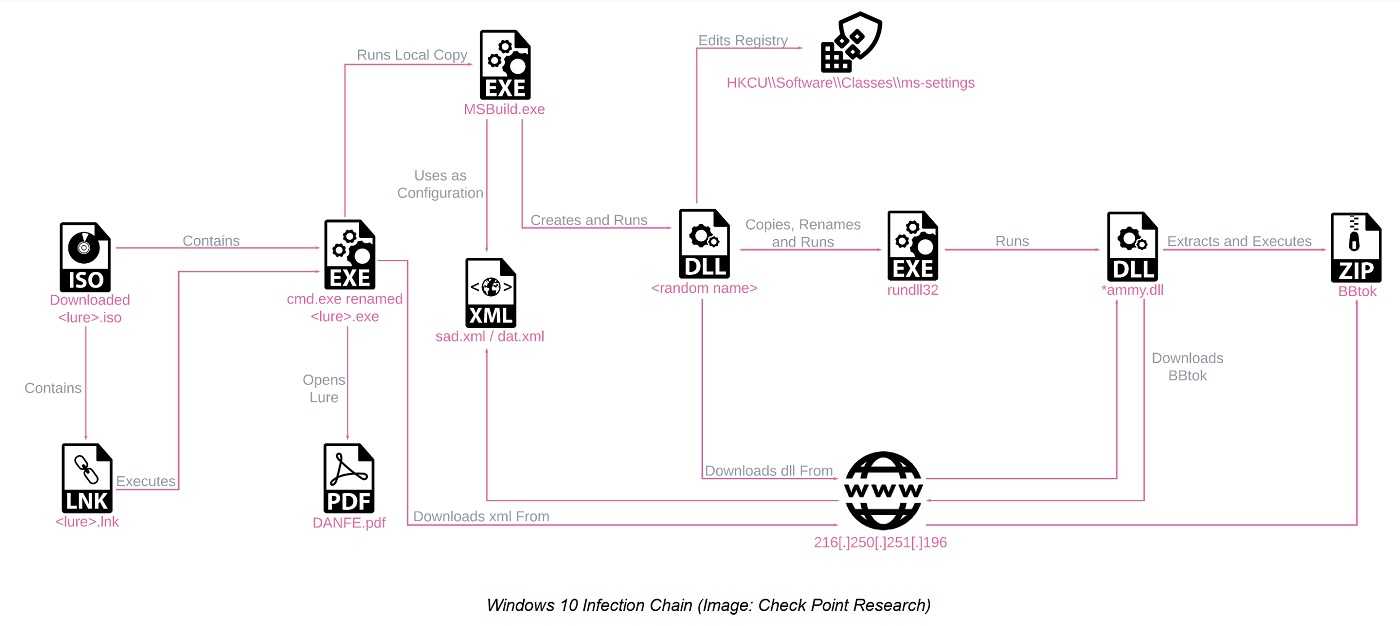
One way BBTok operates so well is by duplicating the interface of over 40 Brazilian and Mexican banks. It includes fake login pages tricking customers into supplying their 2FA security codes and even sharing payment card information. From there, the next move for attackers is account takeovers, or ATOs. Once that happens, the victim is locked out of the account and all of the funds and information held there now belong to the attacker.

The best way to arm yourself against malware like BBTok is by using anti-phishing smarts.

  • Use a healthy dose of common sense before handing out sensitive information. An email or text from your bank or other sensitive accounts asking you to log in or provide confidential PII should always be suspect. Instead, type in the trusted web address yourself to find if it's legitimate.
  • Never click on links or open attachments unless you can verify the sender is a trusted source. Links can take you to copycat websites that steal your data and attachments carry malware.
  • Delete a suspect email or text without opening it. If the message looks odd in any way, don’t open it. It's better deleted than getting infected.
  • Look for any sense of urgency. Hackers like to push us into acting quickly before there’s time to verify the message is legitimate or not. There is always time to take a bit to determine if is legit.
  • Keep all system software, including all apps, updated as soon as they are available. Most updates include fixes for security bugs and provide the latest security patches.


Keeping Your Bank Account And Credit Cyber-Smart

Education

Keeping Your Bank Account And Credit Cyber-Smart

Financial institutions and hacking go hand-in-hand. Hacking banks and their account holders is the most direct cash infusion a hacker can get…and they know it. According to Kaspersky Lab, attacks on ATMs alone hit an all-time high in 2017 with malware-as-a-service (MAAS) opportunities. With this service, even hacking “hacks” who have no cybercrime experience can watch an instructional “how to” video on how to target an ATM successfully. Guarding our finances with common sense protection is something we all need to do. READ FULL STORY

Good Security Habits Can Go A Long Way In A New Year

Your Security

Good Security Habits Can Go A Long Way In A New Year

It’s a new year! And while everyone will face new cyber risks going forward, it makes it more important than ever for individuals to assume responsibility for safeguarding their devices and data. Threats stay the same, but they also evolve to become more dangerous and new ones pop up like the cork of a champagne bottle. Protecting yourself from all of this begins with education and heeding the advice of cybersecurity experts. While we all think we know all of this already, anyone can become a victim of cybercrime when the circumstances are right. READ FULL STORY

Securing Your Online Financial Accounts – Can You Afford Not To?

Your Security

Securing Your Online Financial Accounts – Can You Afford Not To?

Most of us would agree technology makes online banking a breeze. No more trips to the brick-and-mortar, parking, or waiting in line. But with that ease comes the reality that our financial accounts are vulnerable and valuable cybercrime targets. The best answer to that risk is being proactive about your online banking security. This is the first of a two-part look at steps you can take to further secure your own accounts. After all, can you afford not to? READ FULL STORY


Close
Fraud News & Alerts!

Keep up with the latest cyber security news through our weekly Fraud News & Alerts updates. Each week you will receive an email containing the latest cyber security news, tips and breach notifications.


You're all set!

You will receive your first official security update email within the next week.

A welcome email has also just been sent to you. If you do not receive this email within the next few minutes, please check your Junk box or spam filter to confirm our emails are not being blocked.


Help  
Enter any word or words you like.        

The email newsletter will arrive from news@stickleyonsecurity.com


Loading
Please wait...