Accessibility links
  • Skip to main content
News Icon NEWS FILTER
All News Scams & Phishing Your Security Mobile Security Identity Theft Corporate Security Security Education Videos
Search Icon SEARCH
 

Email Icon SUBSCRIBE TO WEEKLY NEWSLETTER
What Everyday Internet Users Need to Know About the PHP Alert
Facebook   X   LinkedIn   Email

What Everyday Internet Users Need to Know About the PHP Alert

October 26, 2026

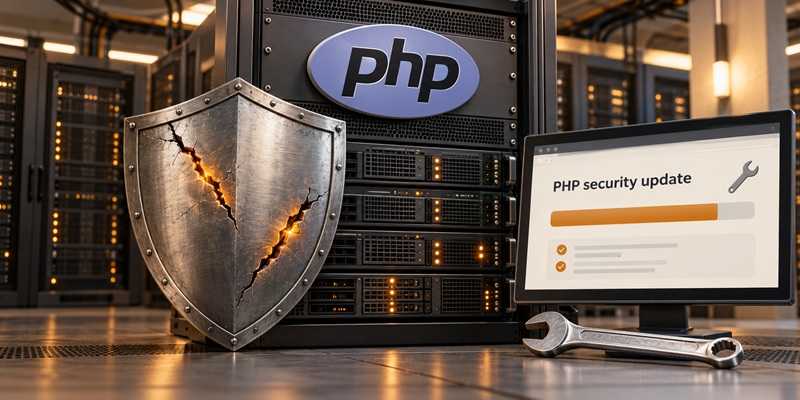
A serious security warning is making headlines after researchers uncovered two critical flaws in PHP, software that helps websites work behind the scenes. The vulnerabilities, nicknamed “PHP2Shell,” were publicly disclosed on October 21, 2026, and could allow hackers to take control of affected web servers and potentially steal information. You don’t need the technical details, but it is a good idea to know it’s happening and what to do to help protect your information.

PHP is a programming language used by many popular website platforms, including WordPress. That means the problem could affect websites people visit regularly. Security updates have been released, and experts are urging website owners to install them immediately.

So, what can you do?

First, don’t panic. This does not mean your personal accounts have automatically been compromised. The flaw primarily affects the systems running websites, rather than your personal computer or phone.

If you run a website, contact your hosting company or website administrator and ask whether the necessary security updates have been installed. 

If you’re simply browsing the internet, keep your devices and apps updated, use strong, unique passwords, and turn on two-step verification wherever possible. Be especially cautious of unexpected emails or text messages claiming your account has been compromised. Never click suspicious links or share passwords in response to urgent warnings.

The bottom line: You can’t fix every security problem on the internet, but you can make yourself a harder target. Staying alert, updating your devices, and protecting your accounts are small steps that can make a big difference.


ClickFix Attacks Help You Hack Your Own PC

Your Security

ClickFix Attacks Help You Hack Your Own PC

PC users beware—ClickFix attacks are here. Global cybersecurity company ESET’s did some research on the topic. Its research finds ClickFix incidents are now a close second to phishing—and that’s saying something. They also found these two-faced attacks multiplied a crushing 500%+ during that same year. And they are pretty crafty in their trickery too. It’s been an invaluable hacking tool for decades since phishing tactics keep reinventing themself as technology marches on. These start with phishing, of course, and these attacks are getting more sophisticated by the day, and with help from AI. READ FULL STORY

Simple Habits That Make You a Tougher Target for Cybercrooks

Your Security

Simple Habits That Make You a Tougher Target for Cybercrooks

It’s already well into the new year and a fresh year usually brings fresh goals—exercise more, spend less, maybe try a new hobby. But one resolution that deserves a permanent spot on everyone’s list is tightening up your personal cybersecurity. Cyberthreats don’t take holidays, and scammers aren’t slowing down. In fact, they’re getting bolder, trickier, and faster at finding new ways to get into your accounts and steal your money or data. READ FULL STORY

FBI Warns of Surge in Account Takeover Scams Targeting Everyone

Scams & Phishing

FBI Warns of Surge in Account Takeover Scams Targeting Everyone

The FBI’s Internet Crime Complaint Center issued an alert in about sophisticated account takeover schemes that are draining victims’ financial accounts, including investment portfolio accounts. And it’s not a slow-moving scam either. It’s moving at an alarming rate, and everyone should take care not to fall victim. Cybercriminals are exploiting vulnerabilities in online accounts to steal funds, with losses reaching millions of dollars and are becoming more difficult to detect. READ FULL STORY

Building Strong Passwords Using The “Don’ts” Of Password Security

Your Security

Building Strong Passwords Using The “Don’ts” Of Password Security

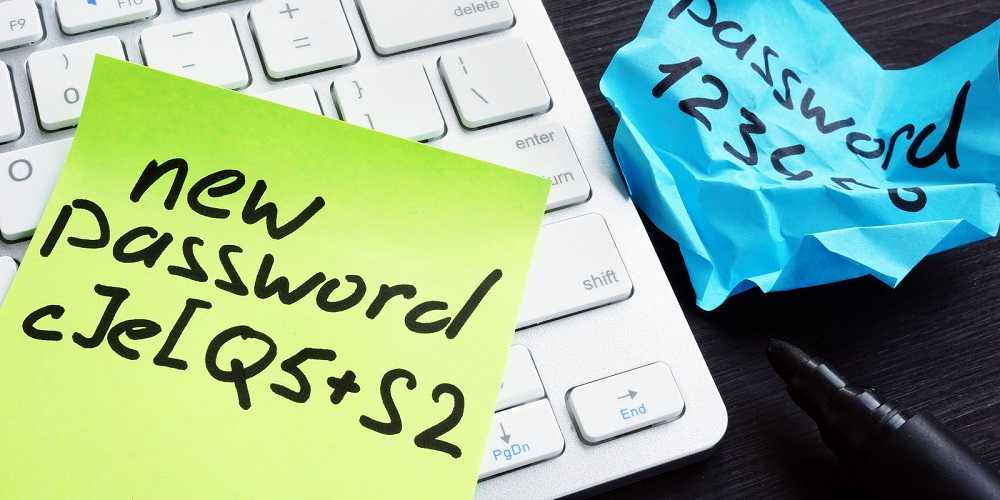
Much is made of the importance strong passwords give to online account security, and for good reason. That’s because password cracking is often the first step for a hacker looking to break into an account – your account. A formidable password can make a cybercriminal give-up and move onto the next potential victim. But what’s also important and often overlooked is what not to do when creating a password. Consider the “don’ts” of weak password creation as reminders of what not to do. READ FULL STORY

Watch For This Credential Stealing Scam on X

Scams & Phishing

Watch For This Credential Stealing Scam on X

A sophisticated phishing campaign is targeting X (formerly Twitter) users with fraudulent DMCA copyright infringement notices designed to steal login credentials and compromise accounts. Security experts warn that these fake messages appear convincing, but are actually elaborate traps set by cybercriminals. If you use that service, be on the lookout. While you may not use anything you think violates the DMCA, many people do when posting videos, images, or using music in their posts. However, even if you don't do that, you could still see this scam. READ FULL STORY


Close
Fraud News & Alerts!

Keep up with the latest cyber security news through our weekly Fraud News & Alerts updates. Each week you will receive an email containing the latest cyber security news, tips and breach notifications.


You're all set!

You will receive your first official security update email within the next week.

A welcome email has also just been sent to you. If you do not receive this email within the next few minutes, please check your Junk box or spam filter to confirm our emails are not being blocked.


Help  
Enter any word or words you like.        

The email newsletter will arrive from news@stickleyonsecurity.com


Loading
Please wait...