Accessibility links
  • Skip to main content
News Icon NEWS FILTER
All News Scams & Phishing Your Security Mobile Security Identity Theft Corporate Security Security Education Videos
Search Icon SEARCH
 

Email Icon SUBSCRIBE TO WEEKLY NEWSLETTER
Microsoft Requires 2FA Login for Azure Cloud Users Starting in October
Facebook   X   LinkedIn   Email

Microsoft Requires 2FA Login for Azure Cloud Users Starting in October

November 2, 2024

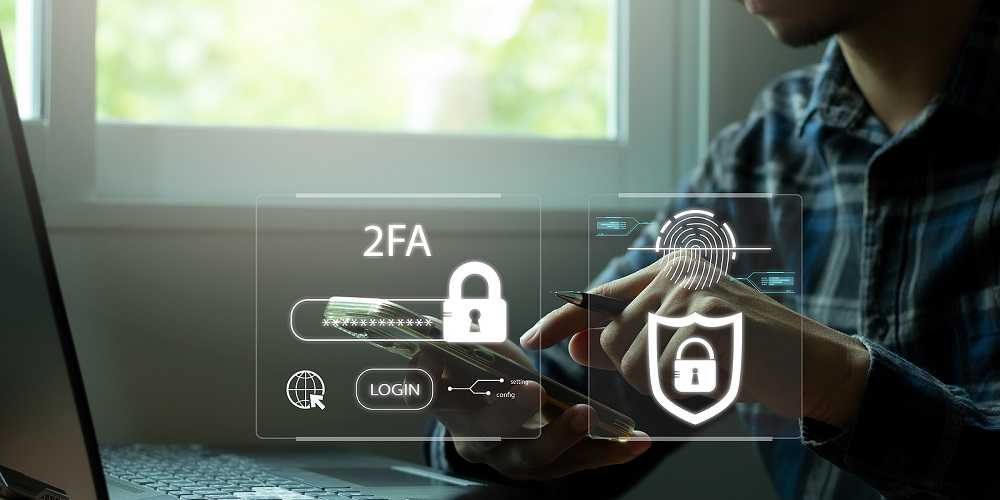
According to Microsoft, the mammoth software company will soon be requiring their Azure clients to apply two-factor authentication (2FA) to login to the cloud platform. The 2FA mandate begins in October as part of a $20 billion investment in Microsoft’s future cybersecurity.

Creating their “Secure Future Initiative” (SFI), the tech giant says the 2FA requirement is part of the project’s multi-billion-dollar plan to bolster security. Their own research shows 2FA can prevent over 99% of attacks involving phishing and account compromise. Microsoft provided a two month notice to Azure users about the 2FA mandate rolling out in two parts starting soon.

Microsoft says implementing the 2FA requirement will ensure 100% of user accounts are protected with multifactor authentication. In addition, they believe 2FA will, among other things, protect identity infrastructure signing and platform keys, and ensure 100% of applications are protected with system-managed credentials. By implementing 2FA, it says incidents of customer account compromise and data breaches will decrease.

Using 2FA

If you’re an admin of Azure, you already know what 2FA is. It’s more and more important to use it when it’s available and require it of users. There are many options, including a one-time passcode that gets sent as a text or email message, authenticator apps, and even hardware “keys.” While there are advantages and disadvantages to all options, using something is always better than using nothing for 2FA.

Recent Cyber-Issues

A few months ago, Microsoft fell victim to a distributed denial of service (DDoS) attack. A DDoS floods a server or network with internet traffic, bringing it to a standstill. The DDoS against Microsoft lasted nearly ten hours, with users unable to connect with their 365 products including Azure, Office, and Outlook.

Only weeks before this latest security incident, a CrowdStrike cybersecurity update crashed computers using Windows. The outage wreaked havoc with countless industries including airports and other businesses worldwide.

It may be no surprise Microsoft is implementing their SFI initiative beginning with the 2FA login requirement. According to the company, the mandate will “not only reduce the risk of account compromise and data breach for our customers, but also help organizations comply with several security standards and regulations.”


Don’t Give Email Permissions To Bogus Upgrade App

Scams & Phishing

Don’t Give Email Permissions To Bogus Upgrade App

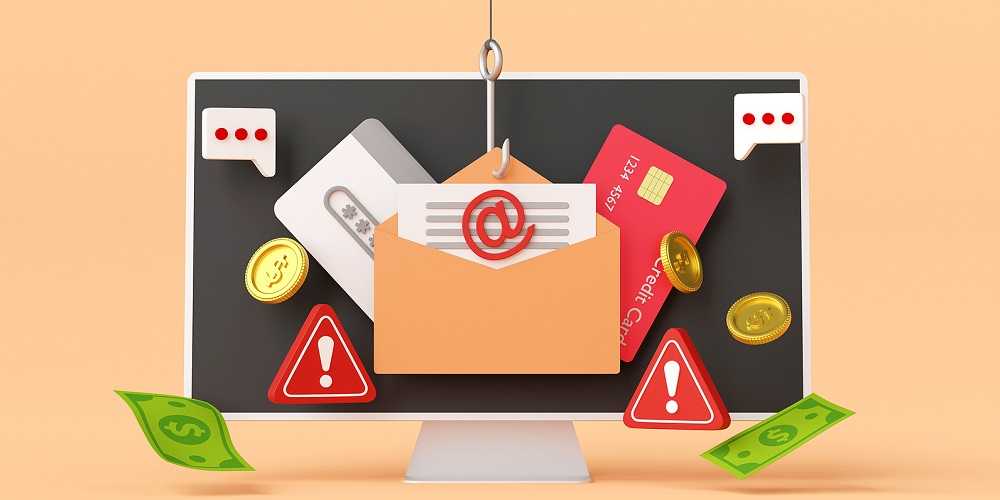
Email phishing campaigns involve a variety of hacker goals, most of which want you to install some type of malware on your device. Now there’s a new phishing campaign making the rounds that involves Microsoft Office 365 users and a bad actor with a fake app called “Upgrade.” The app asks for control over your email account and the authorizations and permissions that go with it. Recently, Microsoft’s Security Intelligence team sent a tweet warning this campaign is now targeting hundreds of organizations. READ FULL STORY

Phony Voicemail Links Steal Employee Credentials From Office 365 And Outlook Users

Scams & Phishing

Phony Voicemail Links Steal Employee Credentials From Office 365 And Outlook Users

Most of us know phishing emails and fake texts are a hacker’s calling card for stealing valuable PII. But recently, researchers at Zscaler cloud security sounded the alarm about an unusual malware campaign using voicemail-themed email phishing as the primary hook for cyberattacks. It’s only after Zscaler fell victim to this campaign that the company felt compelled to study it further. Zscaler finds this cybercrime targets employees in the U.S. using Microsoft Office 365 and the Outlook email service. READ FULL STORY


Close
Fraud News & Alerts!

Keep up with the latest cyber security news through our weekly Fraud News & Alerts updates. Each week you will receive an email containing the latest cyber security news, tips and breach notifications.


You're all set!

You will receive your first official security update email within the next week.

A welcome email has also just been sent to you. If you do not receive this email within the next few minutes, please check your Junk box or spam filter to confirm our emails are not being blocked.


Help  
Enter any word or words you like.        

The email newsletter will arrive from news@stickleyonsecurity.com


Loading
Please wait...