Accessibility links
  • Skip to main content
News Icon NEWS FILTER
All News Scams & Phishing Your Security Mobile Security Identity Theft Corporate Security Security Education Videos
Search Icon SEARCH
 

Email Icon SUBSCRIBE TO WEEKLY NEWSLETTER
Who Just Signed Into My Account
Facebook   X   LinkedIn   Email

Who Just Signed Into My Account

September 10, 2026

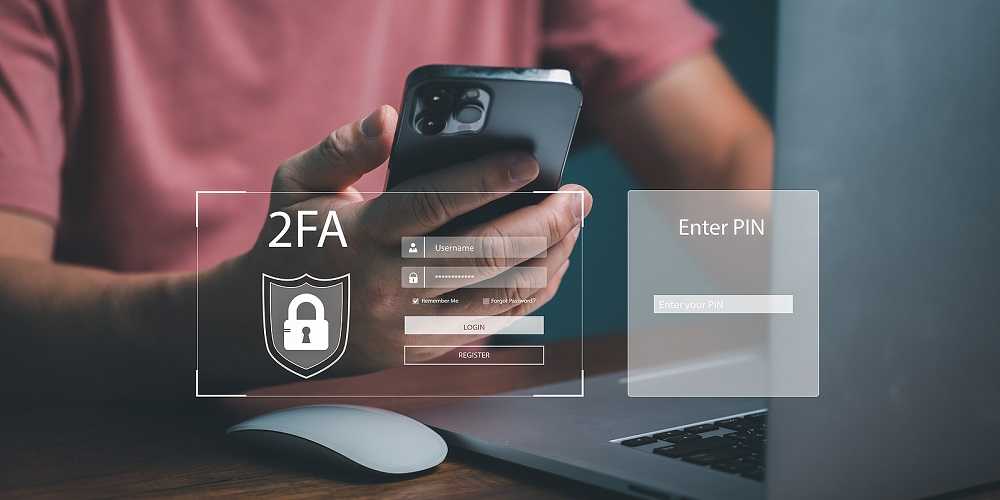
We’ve all gotten them. A text with a random code we are supposed to enter somewhere to log in to something. And it’s likely you’ve received one or two that just showed up and you don’t know why. Firstly, and importantly, don't ignore them! When you receive an unsolicited verification code, it's like a huge warning sign screaming, "Someone's trying to get into your account!" But don’t panic. We’ve got you covered. Here’s a guide to help you navigate those random texts with verification codes.

If you do receive a code and you’re not actively trying to log into an account, it's time to take action. First, independently log into your account to change your password. Don’t click any link you may have received. Go to a bookmark you set or type the website into a browser, ensuring you don’t typo the name. When you change your password, make it strong and unique to keep those sneaky hackers out.

Now, if the alerts are coming from your financial institution, pay extra attention. We all know your Netflix account isn't as crucial as your bank account. But it’s not useless. If someone gets hold of your Netflix code, they could access your payment info. However, when it comes to your financial institution, log in independently to the website and make sure your money is where you expect it to be…in your account. Then, change your password. If anything is worrisome in your account, it's time to grab your phone and call them using a trusted number from their official website. Let them know what happened and they can help you.

Okay, not every text you receive requires this level of panic. But if the text is related to an account that keeps track of logins or devices, like streaming services showing connected devices, it's worth checking if anything phishy is going on. Go into your account and see what other devices are listed. Remove any that you don’t recognize. It’s worth changing your password as well. Remember that in some cases, you might need to log all of them out to disconnect the suspect links. That will require logging in again to all of them with your new password.

Be mindful that real cybercriminals aren't the only culprits. Sometimes, you might receive a recovery code you didn't expect because someone used your email to create an account. These people have no shame, but calling them criminals might be a stretch! So, if you keep getting verification codes for accounts you never signed up for, hop onto the site, change the password, or shut down the account altogether. Otherwise, you'll be stuck with endless notifications, and nobody wants that hassle.

Remember, taking precautions is crucial. If you receive an unexpected verification code, your account could be at risk. Change that password. But hey, there's another scenario to consider: it might be a smishing or text messaging scam, where scammers try to scare you into clicking malicious links. Don't take the bait! Instead, contact the official organization directly to confirm the legitimacy of the messages. It may require an extra step, but trust me, it's worth it. Falling for scams could cost you a ton of money.

So, stay cautious, be proactive, and keep an eye out for those unexpected verification codes. Don't let the bad guys get the upper hand, and take control of your online security!


Email And Clickbait Lead To Facebook Trouble

Scams & Phishing

Email And Clickbait Lead To Facebook Trouble

In 2022, there were more than 333 billion email messages exchanged. That’s according to the website Statista. And of those, roughly 36% are spam. While most email products are fairly good at detecting and sorting out spam for us, many unwanted messages still make it past the filters and into our inboxes. Many of those lead to scams, downloaded malware, or cause some other type of digital harm. But the scams and malware don’t stop at email spam. READ FULL STORY

Accounts Drained By Zelle Smishing Scam

Mobile Security

Accounts Drained By Zelle Smishing Scam

From time to time, scammers come up with a new tactic using new technology, new events, or whatever they can to continue tricking us into giving up our personal or confidential information. Over the past few years and with the increasing use of texting and SMS messaging, a newer one in the bag of tricks has been coined as “smishing.” Because it’s text, it often catches people off guard and causes them to react quickly, which is exactly what you shouldn’t do. READ FULL STORY

Account Hijacking – Keep Yours From Cyberthieves

Your Security

Account Hijacking – Keep Yours From Cyberthieves

Most of us would agree there are too many ways our sensitive PII ends up in the hands of cybercriminals. One of these ways is account hijacking and few users, if any, are spared from this cyberthreat. This type of identity theft can happen without us knowing until it’s too late, but we can help prevent it. A closer look at this all-too-common cybercrime, also called account takeover, can help to make us cyber-smarter and our accounts and PII safer. READ FULL STORY

Good Security Habits Can Go A Long Way In A New Year

Your Security

Good Security Habits Can Go A Long Way In A New Year

It’s a new year! And while everyone will face new cyber risks going forward, it makes it more important than ever for individuals to assume responsibility for safeguarding their devices and data. Threats stay the same, but they also evolve to become more dangerous and new ones pop up like the cork of a champagne bottle. Protecting yourself from all of this begins with education and heeding the advice of cybersecurity experts. While we all think we know all of this already, anyone can become a victim of cybercrime when the circumstances are right. READ FULL STORY

Suspecting The Unexpected – When Verification Codes Spell Trouble

Your Security

Suspecting The Unexpected – When Verification Codes Spell Trouble

There’s a new security challenge to verification codes we use during account logins. These numerical security codes are an extra layer to our identity that helps keep hackers out. But not all verification codes are there to help, especially when they pop up on your device for seemingly no reason. Since hackers love finding sneaky ways of getting beyond our security efforts, they’re now exploiting verification codes – for nefarious and self-serving reasons, of course! READ FULL STORY


Close
Fraud News & Alerts!

Keep up with the latest cyber security news through our weekly Fraud News & Alerts updates. Each week you will receive an email containing the latest cyber security news, tips and breach notifications.


You're all set!

You will receive your first official security update email within the next week.

A welcome email has also just been sent to you. If you do not receive this email within the next few minutes, please check your Junk box or spam filter to confirm our emails are not being blocked.


Help  
Enter any word or words you like.        

The email newsletter will arrive from news@stickleyonsecurity.com


Loading
Please wait...