Accessibility links
  • Skip to main content
News Icon NEWS FILTER
All News Scams & Phishing Your Security Mobile Security Identity Theft Corporate Security Security Education Videos
Search Icon SEARCH
 

Email Icon SUBSCRIBE TO WEEKLY NEWSLETTER
Before You Unsubscribe, Know This First
Facebook   X   LinkedIn   Email

Before You Unsubscribe, Know This First

July 23, 2026

Bad actors are everywhere these days, and now they’re behind the latest “unsubscribe” email phishing scam. We all know how invasive spam emails are, and keeping them from flooding your inbox is but a dream. And now, clicking the unsubscribe button is a devious way to infect your device with malware. 

Here’s what you need to know.

DNSFilter analysis found more than one of 644 links to subscriptions lead to malicious websites. Knowing this, don’t click any email links unless you absolutely trust the sender and especially question the safety if the link is unexpected…even if you do know the sender. The same goes for emails using urgency or panic to get a reaction; so stop and think before you click. Better deleted means better safe than sorry.

The “Problem” Click

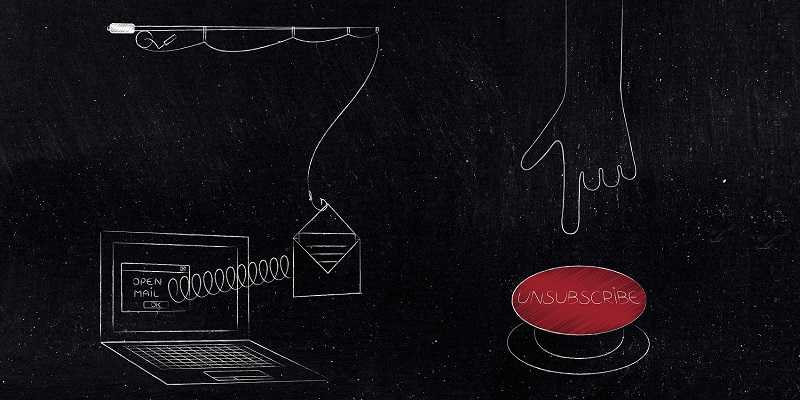
Hackers are now setting up bogus “Unsubscribe” buttons that when clicked redirects you to a fake website to “opt out” of the mailing list. That’s when info-stealing malware likely gets installed on your device. The malware steals your PII, passwords and other useful information attackers use to do damage. That information is enough for account takeovers (ATOs), identity and financial theft, and so much more.

There’s one more thing to know about these bogus clicks that hacker’s love. Simply clicking “unsubscribe” tells bad actors your email address is active and you’re actually reading them. That means only one thing: you can expect many more phishing emails to follow. So just delete them and block them if you can.

Remember, use your Spidey sense with any unsolicited emails, especially those using tricks to pull you in. When in doubt, delete a suspicious email and you’ll be safe and not sorry.


Critical Malware Threat Targets Gmail and Outlook

Your Security

Critical Malware Threat Targets Gmail and Outlook

Recently, a critical email threat targeting Gmail and Outlook users has come to light. Security researchers have identified malware campaigns distributing VIP Keylogger and 0bj3ctivityStealer threats, which can compromise these users. They are designed to steal PII and other information by gathering keystrokes and taking screenshots. HP Wolf Security is warning of a malware threat that hides inside images that are delivered to the inboxes of Gmail and Outlook users. READ FULL STORY

Looking for Love? You Can Keep Your Heart Break-Free From These Scams

Scams & Phishing

Looking for Love? You Can Keep Your Heart Break-Free From These Scams

Valentine’s Day has come and gone, but love never leaves the air. So many are looking for love, or searching for a dinner or movie companion to combat lurking loneliness. It's always a good time to take a look at the various online dating scams that are always searching for your love and to provide a few tips on detecting them as well as others that may come up. There is no need to despair. There are signs to look for and ways to avoid being caught out by these scams and others. READ FULL STORY

Account Takeover Fraud Steals Your Identity, Money, And More

Identity Theft

Account Takeover Fraud Steals Your Identity, Money, And More

With a significant swell in the number of those working from home, come the most historic levels of hacking the world has ever seen. Account takeover (ATO) fraud attacks have been growing yearly, accounting for much of the identity fraud-based financial losses to consumers and businesses. ATO fraud can lead to empty bank accounts and damaged reputations, and those recovering from an attack find it’s an expensive, time consuming, and frustrating task. READ FULL STORY

Email And Clickbait Lead To Facebook Trouble

Scams & Phishing

Email And Clickbait Lead To Facebook Trouble

In 2022, there were more than 333 billion email messages exchanged. That’s according to the website Statista. And of those, roughly 36% are spam. While most email products are fairly good at detecting and sorting out spam for us, many unwanted messages still make it past the filters and into our inboxes. Many of those lead to scams, downloaded malware, or cause some other type of digital harm. But the scams and malware don’t stop at email spam. READ FULL STORY

Fake Zoom Link Delivers Malware

Scams & Phishing

Fake Zoom Link Delivers Malware

This latest crypto crime uses phishing and a malicious, fake Zoom link to steal cryptocurrency. With just one click, unsuspecting targets find their crypto accounts drained by a devious cyberattack. Here’s more of what you need to know about this new and sophisticated crime. This scam uses a socially engineered approach by targeting specific “high value” individuals and using the ever-popular Zoom link to succeed. And, unfortunately, there is really no limit to what this scam can capture. READ FULL STORY


Close
Fraud News & Alerts!

Keep up with the latest cyber security news through our weekly Fraud News & Alerts updates. Each week you will receive an email containing the latest cyber security news, tips and breach notifications.


You're all set!

You will receive your first official security update email within the next week.

A welcome email has also just been sent to you. If you do not receive this email within the next few minutes, please check your Junk box or spam filter to confirm our emails are not being blocked.


Help  
Enter any word or words you like.        

The email newsletter will arrive from news@stickleyonsecurity.com


Loading
Please wait...