Accessibility links
  • Skip to main content
News Icon NEWS FILTER
All News Scams & Phishing Your Security Mobile Security Identity Theft Corporate Security Security Education Videos
Search Icon SEARCH
 

Email Icon SUBSCRIBE TO WEEKLY NEWSLETTER
Account Hijacking – Keep Yours From Cyberthieves
Facebook   X   LinkedIn   Email

Account Hijacking – Keep Yours From Cyberthieves

January 28, 2026

Most of us would agree there are too many ways our sensitive PII ends up in the hands of cybercriminals. One of these ways is account hijacking and few users, if any, are spared from this cyberthreat. This type of identity theft can happen without us knowing until it’s too late, but we can help prevent it. A closer look at this all-too-common cybercrime can help to make us cyber-smarter and our accounts and PII safer.

Account hijacking is exactly that – an online account gets hijacked, or stolen, by an attacker. Also called an ATO (account takeover), a hacker effectively owns your account and can abuse all the PII it holds. That PII can include highly sensitive stuff like login data, payment card numbers, banking info, SSN, and a lot more depending on the type of hijacked account. Whether a personal or work-related account, it could be just the beginning of future cybercrimes and malware infections targeting an individual or a business.

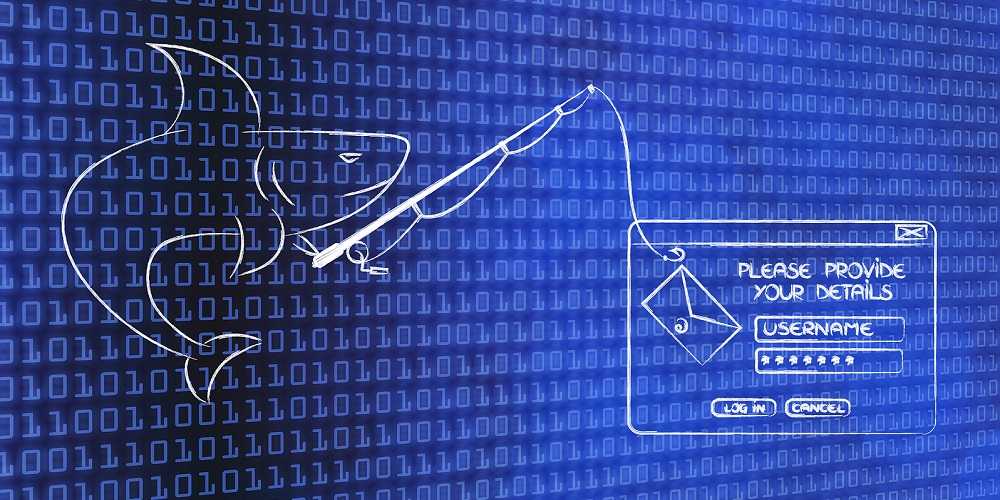
Email phishing, social engineering, password cracking, and brute force attacks are how most hijacked accounts start. These hacking tools open a world of hurt for those on the receiving end who find their password changed and their confidential PII in the hands of a criminal.

Help to Prevent Account Hijacking

Passwords, the keys to our account kingdoms, are at the heart of account hijacking. Make yours a minimum of eight characters and a mix of letters, numbers, and special characters. Use multifactor authentication (MFA or 2FA) when available as it adds an extra layer of protection during login keeping an attacker out of the equation and out of your account.

Phishing hides an attacker’s identity, so check email details like who the sender really is and verify before responding with any PII. Remember, legitimate sources won’t ask for your PII in an email. Never open or download attachments or follow links from an untrusted sender since they can be harmful.

Keep all software updated as soon as available including security and bug patches. Also, monitor accounts for strange transactions and other suspicious activity – the sooner you spot an attack, the sooner you can mitigate any damages.

The first thing a hacker does with a hijacked account is change the password to lock you out, so be aware of what this might mean and be prepared to act fast. Options like freezing credit and bank accounts can help reduce or prevent damage to your financial PII – immediately contact any institution involved. Remember, at the heart of account security is a bolstered password and a user who’s aware of the cyberthreat signs around them.


 Storing Passwords In Your Browser…It’s Convenient, BUT Very Risky Too

Your Security

Storing Passwords In Your Browser…It’s Convenient, BUT Very Risky Too

Most of us know that password fatigue can lead to security mishaps and that creating a safe and secure entrance into our personal or work accounts can be a real challenge. Fortunately, security experts also know that safe password use has long been a problem, one that can lead to epic malware infections like ransomware, banking trojans, and more. Popular browsers like Chrome, Firefox, Safari, and Opera offer the option to store passwords for you, but hackers using the malware “RedLine Stealer” can hijack those stored passwords in a heartbeat. READ FULL STORY

The Most Hacked Apps To Get To Your Details

Mobile Security

The Most Hacked Apps To Get To Your Details

We share a lot these days. Some might even say we spout personal details like a water from a fire hydrant, especially when it comes to social media. For hackers, that means they have us all right where they want us. Researchers at TechShielder put in some work and found that there are a number of apps available to us that actually have been repeatedly compromised and share our personal information with plenty of others that we may not want to have our information. READ FULL STORY

Account Takeover Fraud Steals Your Identity, Money, And More

Identity Theft

Account Takeover Fraud Steals Your Identity, Money, And More

With a significant swell in the number of those working from home, come the most historic levels of hacking the world has ever seen. Account takeover (ATO) fraud attacks have been growing yearly, accounting for much of the identity fraud-based financial losses to consumers and businesses. ATO fraud can lead to empty bank accounts and damaged reputations, and those recovering from an attack find it’s an expensive, time consuming, and frustrating task. READ FULL STORY

Keeping Your Bank Account And Credit Cyber-Smart

Education

Keeping Your Bank Account And Credit Cyber-Smart

Financial institutions and hacking go hand-in-hand. Hacking banks and their account holders is the most direct cash infusion a hacker can get…and they know it. According to Kaspersky Lab, attacks on ATMs alone hit an all-time high in 2017 with malware-as-a-service (MAAS) opportunities. With this service, even hacking “hacks” who have no cybercrime experience can watch an instructional “how to” video on how to target an ATM successfully. Guarding our finances with common sense protection is something we all need to do. READ FULL STORY

Your Data For Sale On The Dark Web And What You Can Do About It

Identity Theft

Your Data For Sale On The Dark Web And What You Can Do About It

As much as we love the convenience of our digital world, we know a hefty price tag can come with it. The world is full of bad actors whose goal is to get their hands on our sensitive, personally identifiable information, or PII. Should you find your PII is for sale on the dark web, it helps to know there are options for doing something about it, even if you think it’s too late. Just some of that hijacked PII can include passwords, email and physical addresses, Social Security numbers, financial accounts, and much more. READ FULL STORY


Close
Fraud News & Alerts!

Keep up with the latest cyber security news through our weekly Fraud News & Alerts updates. Each week you will receive an email containing the latest cyber security news, tips and breach notifications.


You're all set!

You will receive your first official security update email within the next week.

A welcome email has also just been sent to you. If you do not receive this email within the next few minutes, please check your Junk box or spam filter to confirm our emails are not being blocked.


Help  
Enter any word or words you like.        

The email newsletter will arrive from news@stickleyonsecurity.com


Loading
Please wait...