Avoiding Insurance Fraud And Fraudsters
October 1, 2026
Insurance fraud is a problem everywhere and it makes things more expensive for those of us playing by the rules. With this fraud in particular, whether it’s for our health, car, or home, fraudsters are scamming like never before. Suspecting a sketchy seller and policy in an open marketplace can help prevent a potential nightmare. Knowing tell-tale signs of insurance fraud when we see it is smart shopping, and the information below will help.
Policy Changes
There are laws in states like Michigan, where their Dept. of Insurance and Financial Services (DIFS) wants citizens to know about unauthorized changes to their healthcare plans. The DIFS wants to reinforce that switching a policy holder’s plan, changing coverage options, or insurance agent of record requires their consent first. In fact, it’s against the law if it happens. Policy holders should be aware of these situations, no matter where they live or what’s insured.
Online Healthcare Policy Shopping
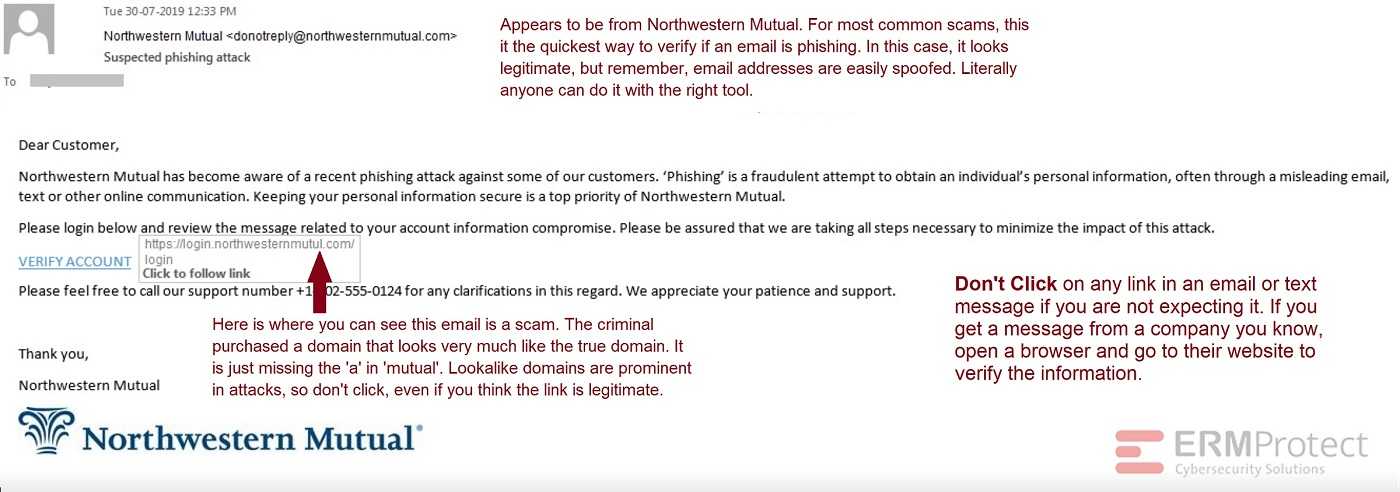
Shopping online for healthcare makes us vulnerable to scammers. These tips from Healthcare.gov and others help avoid insurance fraudsters.
- Get healthcare from official government websites. Check for official government seals, logos, and web addresses ending in “.gov” or other official endings.
- Stay alert for scams. Be cautious of health insurance ads on social media offering cash, gifts, or other perks. The information you share could be used without your consent.
- Don’t share personal information like Social Security number, banking and payment card numbers, or personal health information. This information can be used for financial fraud and identity theft.
- Shop around and compare policies and prices. Then, always apply and enroll on the federal or your state's official website.
With any type of insurance policy, always request detailed statements for services and make sure they’re accurate and priced as promised. And if a price seems too good to be true, be suspicious and start asking questions. Verify your policy in-person or by email, phone call, or text message. Also, separately verify your application information is correct. Be aware of any changes in policy or price, and never sign a blank insurance form since it’s not unlike signing a blank check.
Avoiding insurance fraud takes a bit of work these days, but it’s well-worth it in the end. Fraudsters are out there and they’re after one thing—your hard-earned money. So, be smart about insurance shopping and you’ll thank yourself in the end.

 SUBSCRIBE TO WEEKLY NEWSLETTER