Accessibility links
  • Skip to main content
News Icon NEWS FILTER
All News Scams & Phishing Your Security Mobile Security Identity Theft Corporate Security Security Education Videos
Search Icon SEARCH
 

Email Icon SUBSCRIBE TO WEEKLY NEWSLETTER
Fake Update Ads Steal Your Passwords

Scams & Phishing

Fake Update Ads Steal Your Passwords

We know the cyber-cheats are always out there using every trick in the book to steal our money, identities and whatever else they can get their hands on. So, the next time you’re alerted to a software update, especially one appearing in an online ad, it’s time to step back and take a closer look before tapping “Download.” A latest malvertising campaign lures users into downloading a fake software update. The now custom, improved malware is being used at this very moment and surely will continue doing damage well into the new year. READ FULL STORY

AI Voice Scams Are Here And Working

Your Security

AI Voice Scams Are Here And Working

Overlays For Androids For Criminal Convenience

Mobile Security

Overlays For Androids For Criminal Convenience

Convincing Fake Election Messages

Scams & Phishing

Video Icon Convincing Fake Election Messages

What Everyday Internet Users Need to Know About the PHP Alert

Corporate Security

What Everyday Internet Users Need to Know About the PHP Alert

October 26, 2026

A recently disclosed internet security flaw has cybersecurity experts on high alert, and it could put personal information at risk if website owners fail to act. The problem involves PHP, behind-the-scenes software used to run a huge portion of the internet’s websites. Researchers warn that criminals could exploit the weaknesses to break into vulnerable websites, potentially exposing sensitive information or taking control of affected systems. While the issue sounds technical, protecting yourself doesn’t have to be complicated. READ FULL STORY

Your FI’s Weak Link: Hackers Just Pick Up the Phone and Ask

Your Security

Your FI’s Weak Link: Hackers Just Pick Up the Phone and Ask

You might expect hackers targeting some of America's biggest financial companies to use sophisticated malware, complicated exploits, and all sorts of high-tech wizardry. Instead, some are simply picking up the phone. Google security researchers recently uncovered a campaign in which criminals called employees at major financial and investment firms, pretending to be IT support. The goal was to convince employees to hand over login information and authentication codes. It worked well enough that dozens of prominent financial organizations were targeted. And if it works on Wall Street, you can bet the same basic trick will eventually be aimed at the rest of us. READ FULL STORY

Money Mule Scams Are More Common Than You Would Expect

Education

Money Mule Scams Are More Common Than You Would Expect

A money mule scam is when someone sends money to you and asks you to send a portion of it to someone else. They often ask you to use gift cards or wire transfers. The money they are providing you is likely stolen. Drug trafficking and human tracking are also common sources of the money, and they're lying about the reason they need you to send it. The relationship, job, prize or other reason they use is not real and they are only using you to launder money.  READ FULL STORY

Ways To See If Your Data Has Been Stolen

Education

Ways To See If Your Data Has Been Stolen

With all the data breaches, whether by intrusion or accident lately, it’s likely your information was exposed somehow to someone you didn’t intend. After all, the marketing company Exactis, exposed hundreds of traits on us in 350 million records. Yahoo let out email addresses and passwords on billions of people, and of course who can forget the massive breach of Equifax just last year. There is a lot of information that gets leaked on us and the more the bad actors have on us, the more targeted their phishing campaigns can be. Checking on whether or not your data is available in the underground can help you mitigate any fraud or identity theft. READ FULL STORY

What's Behind Man-In-The-Middle Attacks and How to Avoid Them

Your Security

What's Behind Man-In-The-Middle Attacks and How to Avoid Them

October 22, 2026

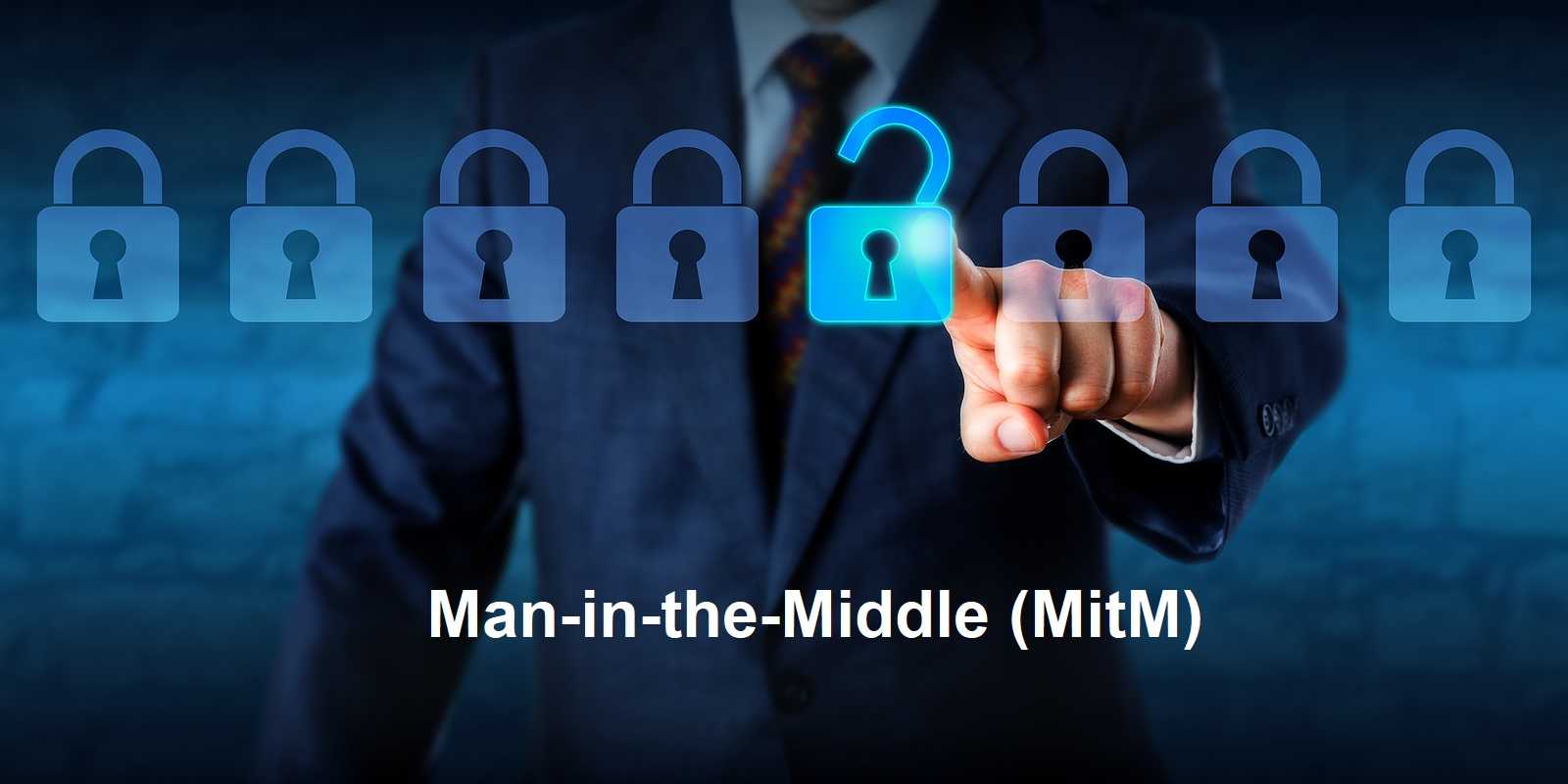
It’s not the game many of us played as kids, but it is a distorted take on the same idea. Man-in-the-middle (MitM) cyberattacks do put someone in the middle of two sides, but that someone is a cybercriminal. And those on either side are clueless victims. In reality, MitM attacks are anything but a game. A typical MitM attack can disrupt operations, intercept usernames and passwords, emails, banking, and other financial details. Read on about how MitM attacks play out, including ways to avoid being caught up in these crimes. READ FULL STORY


Slow Browser? It May Have Been Hijacked By Malware

Your Security

Slow Browser? It May Have Been Hijacked By Malware

Before calling your internet provider to complain about a slow browser think about this:  It’s no secret malware loves to hide in all kinds of things like adware, spyware, scareware, and fake browser updates. Finding your browser is not only slow, but also acting strangely is a sign something isn’t quite right. If after going through the internet provider's standard toolbox for troubleshooting doesn't help, it’s time to think about malware. READ FULL STORY

Think Paying the Ransom Ends the Nightmare? Think Again

Scams & Phishing

Think Paying the Ransom Ends the Nightmare? Think Again

When ransomware criminals demand payment, many victims hope paying will make the problem disappear. New research suggests the opposite may be true. According to Proofpoint's 2026 AI-Era Ransomware Report, more than one-third of organizations that paid a ransom were later hit with another extortion demand. The findings reinforce what cybersecurity experts have warned for years: Paying cybercriminals offers no guarantee you'll get your data back, and it may paint an even bigger target on your back for future attacks. READ FULL STORY

Smooth-talking Hackers Charm Their Way Into Apollo Global Management

Identity Theft

Smooth-talking Hackers Charm Their Way Into Apollo Global Management

When you think about a cyberattack against a $900 billion investment company, you might picture sophisticated hackers exploiting some obscure computer vulnerability. That's not what happened at Apollo Global Management. Attackers used social engineering to gain access to the company's cloud systems, potentially exposing names, dates of birth, addresses, contact information and Social Security numbers. The incident is part of a broader campaign targeting financial companies, and it offers an important lesson for all of us: sometimes the easiest way into a well-protected computer system is simply convincing someone to open the door. READ FULL STORY

Your Hotel's Wi-Fi May Be Working Against You

Your Security

Your Hotel's Wi-Fi May Be Working Against You

 Storing Passwords In Your Browser…It’s Convenient, BUT Very Risky Too

Your Security

Storing Passwords In Your Browser…It’s Convenient, BUT Very Risky Too

Keep Track Of Common UPS Scams

Scams & Phishing

Keep Track Of Common UPS Scams

How To Protect Yourself After A Data Breach

General News

Video Icon How To Protect Yourself After A Data Breach

Data breaches seem to happen like clockwork. None of them are your fault, but the responsibility to protect yourself and your personal information rests square on your shoulders. It can seem like a daunting task, but there are some fundamental actions that can be taken right now that can make you a significantly safer from falling victim to a cyberattack. In this video, Jim Stickley will cover a wide range of types of data that can be exposed and how you can protect yourself. Credit Card, SSN, personal information, and other types of data are in the wild, so you need to be prepared. READ FULL STORY

Meerkats Shapeshift to Steal Logins

Scams & Phishing

Meerkats Shapeshift to Steal Logins

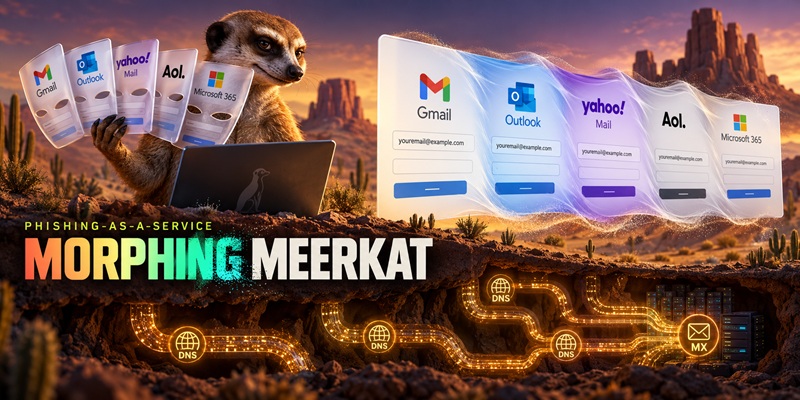
Morphing Meerkat is a recently identified phishing-as-a-service (PhaaS) platform that employs advanced techniques to deceive users and steal credentials. Discovered by cybersecurity firm Infoblox, this platform exploits Domain Name System (DNS) mail exchange (MX) records to dynamically generate fake login pages, impersonating over 100 brands, including Gmail, Outlook, AOL, Office 365, and Yahoo. The attack initiates when a victim clicks on a malicious link embedded in a phishing email. READ FULL STORY

That Update You've Been Ignoring Might Be the Most Important One

Your Security

That Update You've Been Ignoring Might Be the Most Important One

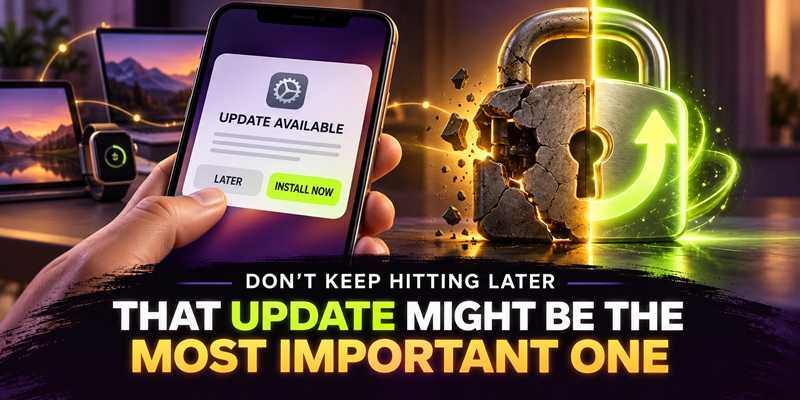
Software updates can be annoying. They arrive when you're busy, ask you to restart your device, and sometimes seem to do nothing more exciting than change an icon or add another emoji. But those updates can also close security holes that criminals are actively looking for. Apple's most recent iOS 26.6.1 update is a perfect example. Released August 17, it provides security fixes for iPhones and iPads. Apple routinely releases these updates because attackers are constantly looking for weaknesses in the software we use every day. READ FULL STORY

It’s Healthcare Open Enrollment Season. Don’t Sign Up With a Scammer

Your Security

It’s Healthcare Open Enrollment Season. Don’t Sign Up With a Scammer

It's the time of year when millions of people are comparing healthcare plans, checking prices, and trying to figure out what healthcare coverage makes the most sense for the coming year. Whether you’re reviewing Medicare options or browsing Affordable Care Act (ACA) plans, you’ve got until mid-December to lock in your choices. But while you’re doing your homework, cybercriminals are doing theirs — and they’re already flooding inboxes, texts, and phone lines with scams designed to steal your personal and financial information. READ FULL STORY

LockBit Threatening to Leak U.S. Bank Customer Data. U.S. Bank Claims They Don’t Have Any

Corporate Security

LockBit Threatening to Leak U.S. Bank Customer Data. U.S. Bank Claims They Don’t Have Any

U.S. Bank is caught in an unusual ransomware situation, and it is a good reminder that your bank doesn't necessarily have to be hacked for your information to be at risk. The ransomware group LockBit recently claimed it breached U.S. Bank and stole data, threatening to publish the information on September 3 unless the bank pays a ransom. U.S. Bank says its own systems, networks and data repositories were not compromised and that the incident appears to involve a "fourth party" outside the bank's environment. For customers, however, the distinction may not provide much comfort. READ FULL STORY


Close
Fraud News & Alerts!

Keep up with the latest cyber security news through our weekly Fraud News & Alerts updates. Each week you will receive an email containing the latest cyber security news, tips and breach notifications.


You're all set!

You will receive your first official security update email within the next week.

A welcome email has also just been sent to you. If you do not receive this email within the next few minutes, please check your Junk box or spam filter to confirm our emails are not being blocked.


Help  
Enter any word or words you like.        

The email newsletter will arrive from news@stickleyonsecurity.com


Loading
Please wait...