Accessibility links
  • Skip to main content
News Icon NEWS FILTER
All News Scams & Phishing Security Education Videos Mobile Security Your Security Education Identity Theft Corporate Security
Search Icon SEARCH
 

Email Icon SUBSCRIBE TO WEEKLY NEWSLETTER
Facebook   X   LinkedIn   Email

Unexpected Tickets Parked on Windshields Steal Your Money

February 8, 2025

A recent new scam is being parked near you! This rising scam involving fake parking tickets is alarming parkers across the country. In this scheme, scammers create realistic-looking parking citations and place them on vehicles, misleading the owners into believing they have received a legitimate ticket. These scammers are so good, it’s extremely difficult to determine if it’s actually real!

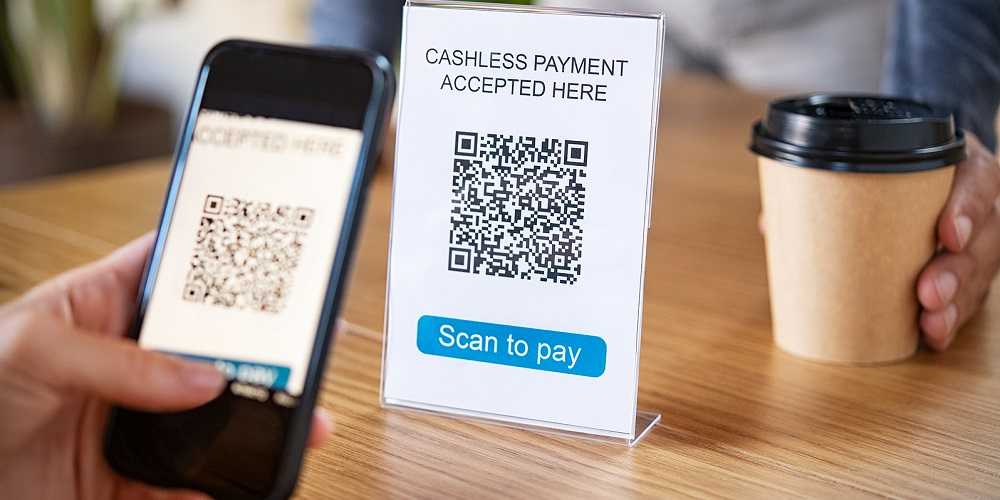
These fake tickets typically include official-looking logos and detailed information, making them appear authentic at first glance. They also have a QR code that the “violator” can scan to pay the so-called fine right away, for their convenience of course. Because the listed fines are low and they make it so easy to pay it, victims often do so just to get it out of their minds.

The scam often involves instructions to pay the fine through a designated website or phone number, which leads victims to a fraudulent platform. Here, they might be prompted to enter personal information or payment details, putting them at risk of identity theft and financial loss. In some cases, the scammers may even contact victims by phone, using high-pressure tactics to collect payment immediately.
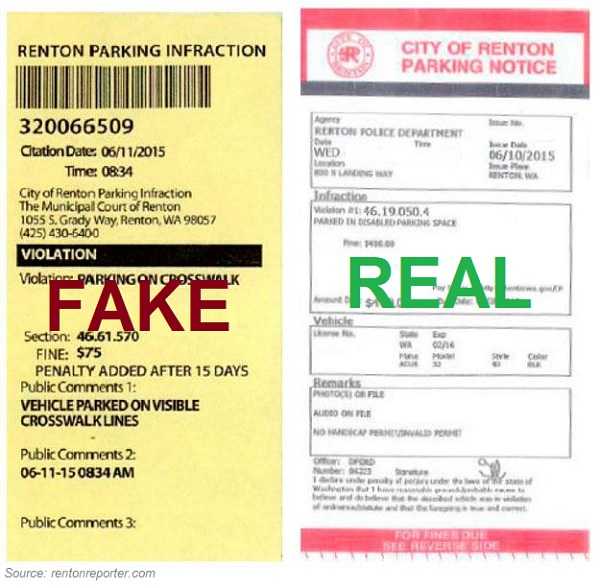
As we’ve heard, QR codes can be a risk to your wallet; digital or otherwise. To avoid falling victim to this scam, there are several precautions drivers can take. First, if you find a parking ticket on your car, examine it closely. Check for discrepancies in the issuing authority, such as unfamiliar logos or incorrect contact information. Authentic tickets usually have specific identifiers, including badge numbers or official citations.

Second, verify the ticket by contacting the issuing authority directly, using contact information from their official website rather than any details provided on the ticket itself. For example, go to the website for the city or county and look up the citation number there. Wait to get to a laptop or on secure WiFI and go to the official website using means other than what’s printed on the ticket. Most of the time, you can search by citation number and license plate number. If you can’t find it, it’s probably fake. If so, report it to local law enforcement.

If it has a QR code, exercise caution. Most cities are behind the curve about using QR codes for paying tickets.

Lastly, remain cautious about sharing personal or financial information online. Always double-check URLs for authenticity before entering any sensitive data.

Not long ago there was another parking related scam involving QR codes. In that case, fake codes were posted on parking meters and when clicked, went to a phony website that collected information and payment. Be on the lookout for that scam too and get parking meter apps directly from your device’s official app store.

By staying informed and vigilant, drivers can protect themselves from this deceptive scam and avoid unnecessary financial loss.


QR Code Phishing Scams Spike 587%

Scams & Phishing

QR Code Phishing Scams Spike 587%

It’s the latest form of email phishing to hit the headlines. Researchers at Check Point find QR code phishing scams, called “Quishing” were up a whopping 587% in just two months. Quishing is a phishing attack using emails to send a malicious QR code. And now this credential-stealing scam has grown into epic proportions. In our growing desire for instant information, QR codes and Quishing present a uniquely tempting challenge. Here’s what you need to know to help avoid Quishing. READ FULL STORY

QR Code Scanning Scams – How To Use QR’s Safely And Securely

Mobile Security

QR Code Scanning Scams – How To Use QR’s Safely And Securely

In our never-ending pursuit of info-quick technology, QR (quick response) codes have found a huge following. In return, these codes seem to be everywhere and on everything. From TV screens to product packaging, web pages, and more, QR codes are easy to find. But like most technology we’ve grown to love, cybercriminals love it too but for very different reasons. Some QR-secure tips can help scan fans stay safer and enjoy the benefits of this quick response technology. READ FULL STORY

The Quick and Dirty on QR Codes

Mobile Security

The Quick and Dirty on QR Codes

QR codes, those little square mazes, are everywhere nowadays. From accessing restaurant menus to entering sweepstakes and registering new products, they’ve become a staple in modern convenience. However, like any technology, cybercriminals have found ways to exploit these codes, turning them into digital traps. There are many ways these boxes of squiggles can be misused, including via phishing, in advertisements, and overlaid on real ones. READ FULL STORY

AI Voice Scams Are Here And Working

Your Security

AI Voice Scams Are Here And Working

Scammers of all kinds are finding artificial intelligence (AI) an immensely helpful tool. In particular, they are having serious success with AI-enabled voice swindles. It only takes three seconds to clone a person’s voice and use it for a variety of scams, including a distressed “impostor” phone call to family or friends, to put these scams in motion. Knowing this, the more you can help keep out of the grips of AI voice-cloning scams with financial rip-off consequences. READ FULL STORY

Children As Online Targets--What Every Parent Needs To Know

Your Security

Children As Online Targets--What Every Parent Needs To Know

Adults should be well-aware of hacking and the risks involved when traversing online. But what many don’t know is the sad truth that children are also targets of online abuse. Sadly, this includes infants. The good news is that parents aren’t helpless when it comes to protecting their child’s online activities and real-world identities. Knowing the signs of child identity theft, other harmful vulnerabilities and how you can help prevent them is a great way to start. READ FULL STORY


Close
Fraud News & Alerts!

Keep up with the latest cyber security news through our weekly Fraud News & Alerts updates. Each week you will receive an email containing the latest cyber security news, tips and breach notifications.


You're all set!

You will receive your first official security update email within the next week.

A welcome email has also just been sent to you. If you do not receive this email within the next few minutes, please check your Junk box or spam filter to confirm our emails are not being blocked.


Help  
Enter any word or words you like.        

The email newsletter will arrive from news@stickleyonsecurity.com


Loading
Please wait...