Accessibility links
  • Skip to main content
News Icon NEWS FILTER
All News Scams & Phishing Security Education Videos Mobile Security Your Security Education Identity Theft Corporate Security
Search Icon SEARCH
 

Email Icon SUBSCRIBE TO WEEKLY NEWSLETTER
Blue Shield of CA Releases Data Breach Info
Facebook   X   LinkedIn   Email

Blue Shield of CA Releases Data Breach Info

August 9, 2025

Finding out your healthcare information was compromised in a data breach is not unlike getting sucker punched. Recently, Blue Shield of California (BSca) experienced a breach and as a result, any number of their 5 million members did as well. The healthcare company recently released a data breach notice answering many of the questions their members want and need explained.

Why It Happened

BSca learned the incident happened between April 2021 and January 2024 (Whoa! That’s a big range) and may have involved those who visited their websites during then. They began notifying “certain members” that their protected health information (PHI) may have been involved. The PHI collected includes types of insurance and group number; city and zip code; patient name and financial responsibility.

The healthcare company did use a third-party vendor service to track members visiting Blue Shield websites, all to improve member services. BSca reports there was no compromise of PII like Social Security and driver’s license numbers, and the same goes for banking and credit cards.
What Happened

The third-party vendor BSca used to track member data is Google Analytics. The way this Google service was configured allowed their Analytics to share certain member data with Google Ads. Knowing a hacker wasn’t behind the breach and the data stayed within Google, is reassuring news. Fortunately, it was a kind of “breach of trust” and nothing malicious. Members might find some comfort in that, but only time will tell.

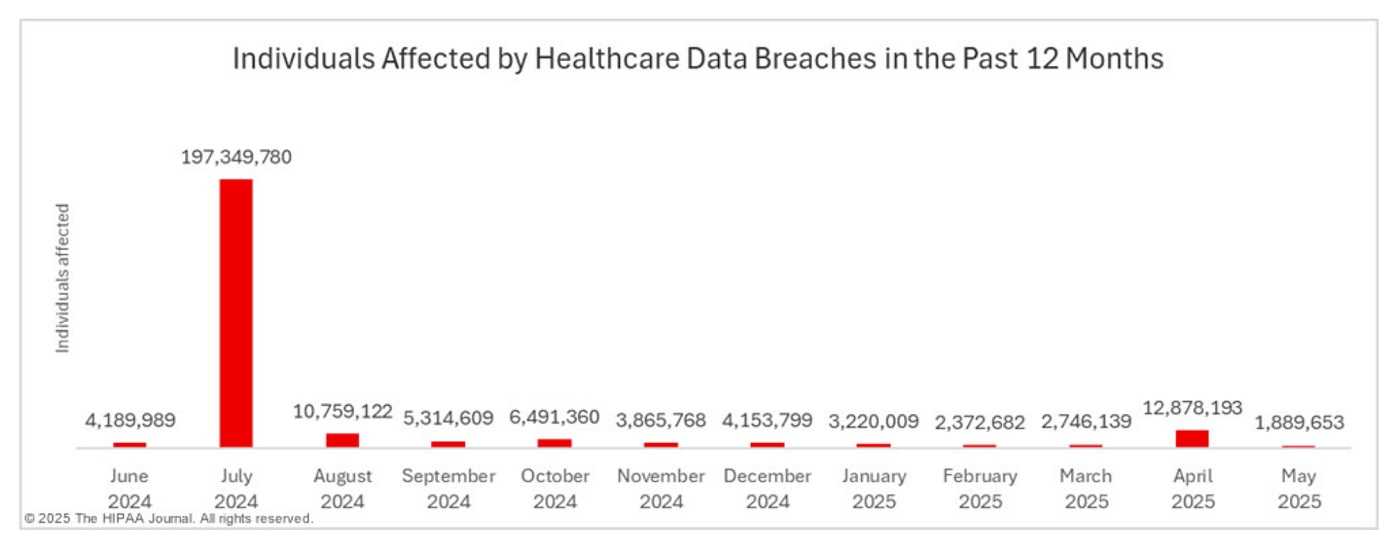
This and many other data breaches are a reminder of what can happen when the information you provide an organization is out of your hands and into theirs. In particular, hackers like targeting third-party services for the sensitive data they hold, and many lack the proper security to avoid a breach.

Below are a few steps BSca says members should do to protect themselves in a breach situation. These steps are also valuable if you find yourself a victim of any data breach.

  • Closely review account statements and credit reports, looking for any suspicious activity. Immediately inform the financial institution or company about the affected account, as well as law enforcement.
  • Get a copy of your credit report. You can get one free once a year, or contact one of three credit agencies to purchase a copy of your report. You can also go to annualcreditreport.com to order them.
  • Members should consider putting a fraud alert directly on their credit report. The first one is free and lasts about 90 days while also alerting creditors of possible fraudulent activity.
  • Consider freezing your credit. You freeze and unfreeze at any time at no charge. If it’s frozen, it will prevent credit being opened in your name by anyone, even you. So, keep that in mind if you need to get a loan, for example.
  • As data breaches continue to increase everywhere, keeping a regular check on your finances can alert you if you’re involved in one…and don’t wait to take action.


Has Your Email Been Hacked? Here’s How You Can Tell And What You Can Do

Your Security

Has Your Email Been Hacked? Here’s How You Can Tell And What You Can Do

There are any number of signs that may give you a clue that your email has been hacked. And what do you do if it has? You may wonder what you can do if you suspect that’s the case. Let’s go over a few indicators of a compromised email box and what you can do about it, if it happens to you. Fortunately, there are some indicators for to watch out for and we can provide some suggestions on how to tell and what to do if you do think someone has been in your inbox. READ FULL STORY

Shimming Right Along To Skim Your Payment Card Number

Education

Shimming Right Along To Skim Your Payment Card Number

By now, most of us have at least one or two EMV (Europay, MasterCard, Visa) cards. These are the payment cards that were touted as far more secure than the ones with the magnetic strips on the backs. And indeed, if you ask Visa these cards have resulted in a 75% decrease in fraud in the three years since they were introduced. Cybercriminals are of course finding ways to take advantage of the EMV cards too. Now, there are reports of a new way to skim. READ FULL STORY

The 10 Most Common 4-Digit PINs: Is Yours One of Them?

Your Security

The 10 Most Common 4-Digit PINs: Is Yours One of Them?

By now, it’s common knowledge that anything to do with your online security that’s easy-to-guess presents personal security risks. One of those risks involves using a 4-digit PIN code for your smartphone, additional devices, ATM accounts, and payment cards. Commonly used PINs make it easy for you to remember but they also make it easy for hackers to guess. Below are 10 of the most common 4-digit PIN codes cybercriminals try first, so take a look and see if yours is on the list. READ FULL STORY

Email Scams Threaten Extortion And Blackmail

Scams & Phishing

Email Scams Threaten Extortion And Blackmail

An uptick in email scams has cybersecurity professionals concerned, and for good reason. Symantec researchers found that in the first five months of 2019, they prevented almost 300 million extortion email attacks from going forward. Just some of those discovered include blackmail, sextortion, bombs, hit men, and malware threats. The researchers also determined the average cost of paying demands over a 30 day period was $1.2 million in 243 Bitcoin transactions. READ FULL STORY

How To Create A Strong And Unique  Password For Every Account

Education

How To Create A Strong And Unique Password For Every Account

Most of us know by now not to use the same passwords for different accounts; yet some of us still do. But users who continue to use passwords they know have been exposed in a hack are truly flirting with danger. In a recent study, Google found 1.5% of passwords are still being used despite those users knowing they’ve been compromised. A security researcher discovered more than 22 million unique passwords and over 770 million email addresses were made public on a popular hacker forum earlier this year. READ FULL STORY


Close
Fraud News & Alerts!

Keep up with the latest cyber security news through our weekly Fraud News & Alerts updates. Each week you will receive an email containing the latest cyber security news, tips and breach notifications.


You're all set!

You will receive your first official security update email within the next week.

A welcome email has also just been sent to you. If you do not receive this email within the next few minutes, please check your Junk box or spam filter to confirm our emails are not being blocked.


Help  
Enter any word or words you like.        

The email newsletter will arrive from news@stickleyonsecurity.com


Loading
Please wait...