Accessibility links
  • Skip to main content
News Icon NEWS FILTER
All News Scams & Phishing Security Education Videos Mobile Security Your Security Education Identity Theft Corporate Security
Search Icon SEARCH
 

Email Icon SUBSCRIBE TO WEEKLY NEWSLETTER
Is Your Email Account Hacked? What You Need To Know
Facebook   X   LinkedIn   Email

Is Your Email Account Hacked? What You Need To Know

December 15, 2025

The reality is these days, stolen email addresses are a dime a dozen. Thanks to relentless data breaches, it’s safe to assume your email address is already in the wrong hands. Although it may not sound like much, it’s a goldmine for further crimes involving you.

• Is it Really You? A hacker can use your email address to impersonate you and send emails to your contact list including friends and family. They can ask for money, attach a malicious file or link, and say anything in your name. Should the message seem unusual or out of character for the person you know, verify it with them. Contact them directly but never use any information in the email since it could be under hacker control.
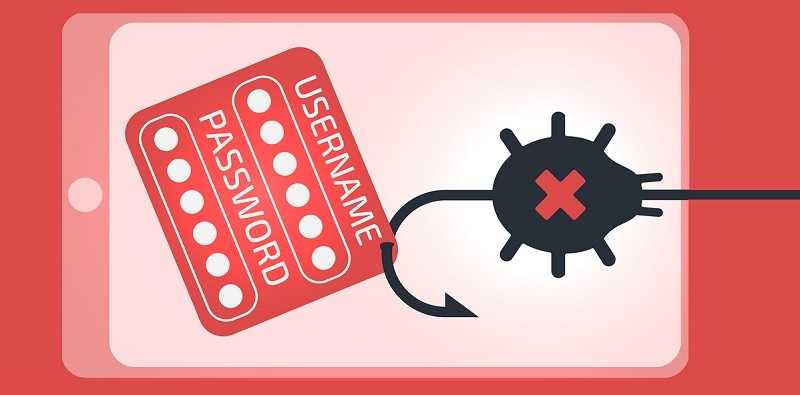
• Who has my PII? Hackers can gather a mountain of information about you starting with your email password. With it, a hacker has access to every email in your inbox. They can cobble together nuggets of your PII (birthday, home address, phone number, account numbers, etc.) in the messages to create a full profile to use against you.

• Password Cracks. With password “cracking,” a hacker figures out passwords to more of your accounts. They already have your email password, and they know emails confirming online accounts you signed up for will mention your username and maybe your password, too. Reusing your email password for other accounts lets a hacker request a login reset for each that locks you out of that account. They also try cracking other accounts, hoping you reused your password for them.

• 2FA Cracks. A hacker can intercept your 2FA code sent via email. 2FA (aka MFA) codes are meant to verify your identity during login, keeping others from getting into your account. But a hacker who’s cracked your account login knows some 2FA codes are sent by email, and they intercept the code before you suspect a thing. With it, the hacker has total access to your account.

• Identity Theft. With a hijacked email account, a hacker can use all the above and more to steal your identity. Once done, they can apply for a  mortgage, credit cards, get tax refunds, and anything else that benefits them using your identity.
What To Do

If you suspect your email account may be compromised, log out of it and sign-in again. If it’s blocked, there’s a good chance the hacker did it to lock you out. Check your email provider’s support page for more instructions and be ready to provide prior logins and other proof of your identity.

If your login password hasn’t been compromised yet, quickly change it with one that’s long and unique. A minimum of twelve characters with a mix of capital and lowercase letters, along with numbers and symbols is best. With a fortified password, a hacker is more likely to give up and move to their next victim.

Use 2FA when available to further protect your accounts. Although it’s not perfect, 2FA codes make it more difficult for a hacker to steal it and access your account, even if they have your password.

Considering what a hacker can do with your cracked email account, prevention is always the best medicine. Remember, the more difficult it is to hack the safer your account will be!

BOLO for These Most Dangerous Email Attachments

Scams & Phishing

BOLO for These Most Dangerous Email Attachments

Keeping a lookout for suspicious emails has become a daily consequence of our cyber lives. Phishing emails are notorious for having malicious attachments and opening them is a sure way to compromise your device and its data. These attachments are full of malware, ready and waiting to infect your system with a simple click. Make no mistake, any attachment in a questionable email can be dangerous. However, researchers at F-Secure found that some of this year’s biggest email spam campaigns used particular types of malicious attachments more than others. READ FULL STORY

How To Create A Strong And Unique  Password For Every Account

Education

How To Create A Strong And Unique Password For Every Account

Most of us know by now not to use the same passwords for different accounts; yet some of us still do. But users who continue to use passwords they know have been exposed in a hack are truly flirting with danger. In a recent study, Google found 1.5% of passwords are still being used despite those users knowing they’ve been compromised. A security researcher discovered more than 22 million unique passwords and over 770 million email addresses were made public on a popular hacker forum earlier this year. READ FULL STORY

Financial Services Robust Security Forces Cybercriminals To Target Customers

Your Security

Financial Services Robust Security Forces Cybercriminals To Target Customers

Cybersecurity experts are focused on finding ways to foil attempts by cyber criminals to access information related to client accounts and the cyber criminals themselves, who are continually in search of loopholes in security solutions to access sensitive personal information. And if research from Akamai is true in their annual “State of the Internet” report, then cybersecurity teams are fighting a desperate fight against professional malware groups intent on using a variety of tactics. READ FULL STORY

Are You Hacker-Bait? Phishing Malware Lets Picky Attackers Decide

Scams & Phishing

Are You Hacker-Bait? Phishing Malware Lets Picky Attackers Decide

If you’ve ever wondered if you’re a juicy target for a cyberattack, don’t fret because there’s a new malware allowing bad actors to decide that for you. It’s a creepy thought, but there’s a new email phishing campaign installing malware that takes screenshots of a device and its contents and sends them to the hacker. If the data is deemed hack-worthy, it’s the beginning of a financial nightmare for the chosen victims. Heavily targeting organizations in the U.S., Proofpoint researchers began tracking this phishing campaign last year and find it continues today. READ FULL STORY

Keeping Your Bank Account And Credit Cyber-Smart

Education

Keeping Your Bank Account And Credit Cyber-Smart

Financial institutions and hacking go hand-in-hand. Hacking banks and their account holders is the most direct cash infusion a hacker can get…and they know it. According to Kaspersky Lab, attacks on ATMs alone hit an all-time high in 2017 with malware-as-a-service (MAAS) opportunities. With this service, even hacking “hacks” who have no cybercrime experience can watch an instructional “how to” video on how to target an ATM successfully. Guarding our finances with common sense protection is something we all need to do. READ FULL STORY


Close
Fraud News & Alerts!

Keep up with the latest cyber security news through our weekly Fraud News & Alerts updates. Each week you will receive an email containing the latest cyber security news, tips and breach notifications.


You're all set!

You will receive your first official security update email within the next week.

A welcome email has also just been sent to you. If you do not receive this email within the next few minutes, please check your Junk box or spam filter to confirm our emails are not being blocked.


Help  
Enter any word or words you like.        

The email newsletter will arrive from news@stickleyonsecurity.com


Loading
Please wait...