Accessibility links
  • Skip to main content
News Icon NEWS FILTER
All News Scams & Phishing Security Education Videos Mobile Security Your Security Education Identity Theft Corporate Security
Search Icon SEARCH
 

Email Icon SUBSCRIBE TO WEEKLY NEWSLETTER
A Bengal Cat Search Might Get You Cat Scratch Fever
Facebook   X   LinkedIn   Email

A Bengal Cat Search Might Get You Cat Scratch Fever

January 18, 2025

A recent cybersecurity threat has been identified targeting people who love a particular breed of cat. All it takes is for a curious cat lover to type the phrase "Are Bengal cats legal in Australia?" into a Google search box. And let’s face it, while all cats are loveable, it seems that Bengal cats are getting a bad reputation with this latest malware attack.

Cybercriminals are leveraging SEO poisoning techniques to rank malicious sites highly for this search query. When users click on these misleading links, they are directed to a page that prompts them to download a zip file, which contains a file that is part of the Gootloader malware framework, known for delivering malicious software such as information-stealers and even ransomware.

SEO stands for Search Engine Optimization and is a way that websites improve their position in web searches. Sites with better SEO coding get pushed further up the list and those who did it best, get to the top. That’s what happened here. But because a result tops the list, doesn’t make it the best choice and as we see here it may not even be a safe choice.
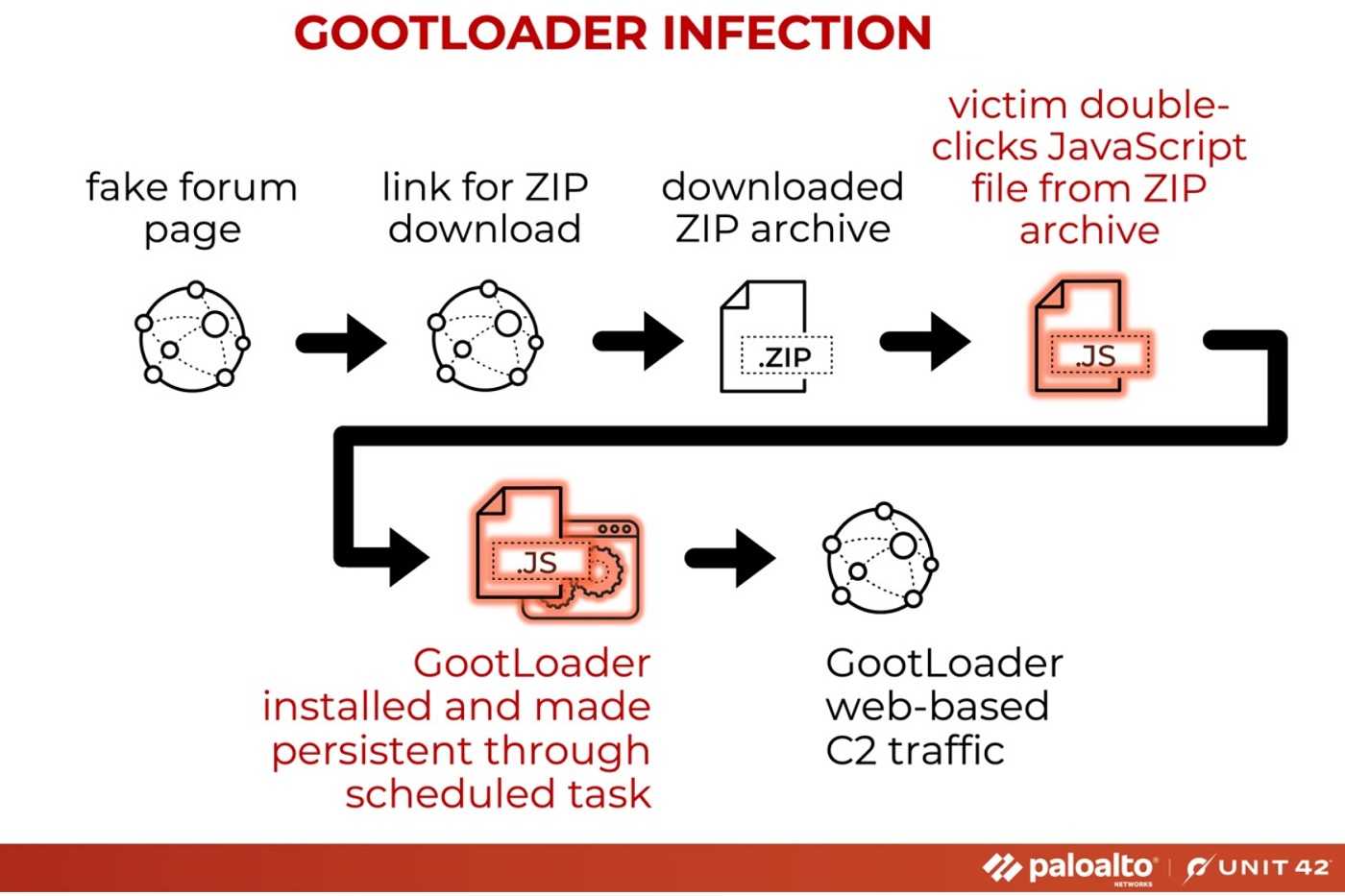
Gootloader’s capabilities make it especially dangerous, as it can open the door to further malicious software installations and potentially allow attackers to steal sensitive data or enable follow-up ransomware attacks.

The advice? Cybersecurity experts recommend being cautious with search results and avoiding unfamiliar websites offering downloadable files. Instead of clicking, hover your paw—or mouse—over the link and see where it goes. In this case, it directs toward a forum. If the link that you see when hovering appears odd at the smallest level, don’t click it. Be 100% sure a link is where you want to go, no matter what you are searching for.

Of course, we all know that clicking on links willy nilly is not advised for reasons precisely like this. However, the concern here is that this type of targeted approach is unusual, indicating cybercriminals’ interest in exploiting niche, localized interests to lure unsuspecting users. So, if you want to know if Bengal cats are legal in any country, perhaps it’s better to search for a government website about which pets are legal or not wherever you are or are going.


Facebook, Instagram Shopping Scams Run Wild And Rake In Millions

Scams & Phishing

Facebook, Instagram Shopping Scams Run Wild And Rake In Millions

Data recently released by the Federal Trade Commission (FTC) shows that the number of complaints about social media shopping scams more than tripled over the last year. Consumers reported losing more than $117 million to this type of scam in just the first six months of 2020 compared to $134 million for all of 2019, according to the FTC’s latest Consumer Protection Data Spotlight. The social media sites overwhelmingly involved in these scams are Facebook and Instagram, with consumer scam reports totaling 94% of all rip-offs involving a specific platform. READ FULL STORY

Slow Browser? It May Have Been Hijacked By Malware

Your Security

Slow Browser? It May Have Been Hijacked By Malware

Before calling your internet provider to complain about a slow browser think about this:  It’s no secret malware loves to hide in all kinds of things like adware, spyware, scareware, and fake browser updates. Finding your browser is not only slow, but also acting strangely is a sign something isn’t quite right. If after going through the internet provider's standard toolbox for troubleshooting doesn't help, it’s time to think about malware. READ FULL STORY

You've Got Malware, We've Got Help

Your Security

You've Got Malware, We've Got Help

The world of mobile viruses can be a bit confusing, right? Don't worry, we’ve got you. While your phone can fall victim to malware, it's highly unlikely that it’s going to result in an unrecoverable situation. What you may encounter are things like adware, bloatware, or those pesky pop-ups that drive you nuts. There is no shortage of those these days. These all can hitch a ride from third-party websites, apps, or even those suspicious email and text messages you receive all the time. But here we are to help! READ FULL STORY

Carbanak Is Back! Ransomware Group Reinvents Itself

Corporate Security

Carbanak Is Back! Ransomware Group Reinvents Itself

Since the arrest of Carbanak's leader five years ago, the notorious ransomware group is back with a vengeance. The Carbanak ransomware syndicate gained notoriety as a highly effective cybercrime ring targeting financial and banking institutions worldwide. And now, the group has reinvented its method of attacks to reemerge as yet another force to be reckoned with. The group recently shifted their ransomware attacks from financial targets to posing as business software like HubSpot and Xero on compromised websites. READ FULL STORY

More Pop-Up Ads? Yes Please! Said No One. Ever!

Your Security

More Pop-Up Ads? Yes Please! Said No One. Ever!

Those intrusive pop-up ads that slow down our browsers and bounce the content we want to read are by most accounts, insufferable. Knowing that, developers have created ad blocker extensions to help with this annoying and potentially harmful web surfing issue. One self-proclaimed ad-blocking extension, AllBlock Chromium, however, is doing the exact opposite of what it says it does and those behind it are making profits off that broken promise. READ FULL STORY


Close
Fraud News & Alerts!

Keep up with the latest cyber security news through our weekly Fraud News & Alerts updates. Each week you will receive an email containing the latest cyber security news, tips and breach notifications.


You're all set!

You will receive your first official security update email within the next week.

A welcome email has also just been sent to you. If you do not receive this email within the next few minutes, please check your Junk box or spam filter to confirm our emails are not being blocked.


Help  
Enter any word or words you like.        

The email newsletter will arrive from news@stickleyonsecurity.com


Loading
Please wait...