Accessibility links
  • Skip to main content
News Icon NEWS FILTER
All News Scams & Phishing Security Education Videos Mobile Security Your Security Education Identity Theft Corporate Security
Search Icon SEARCH
 

Email Icon SUBSCRIBE TO WEEKLY NEWSLETTER
Microsoft Teams Users Targeted In Impersonation Sophisticated Fraud Scheme
Facebook   X   LinkedIn   Email

Microsoft Teams Users Targeted In Impersonation Sophisticated Fraud Scheme

December 7, 2025

Cybersecurity researchers at Check Point Research have uncovered multiple critical vulnerabilities in Microsoft Teams that allow hackers to impersonate executives, edit messages without detection, and manipulate notifications, putting millions of users at risk of financial fraud and data theft.

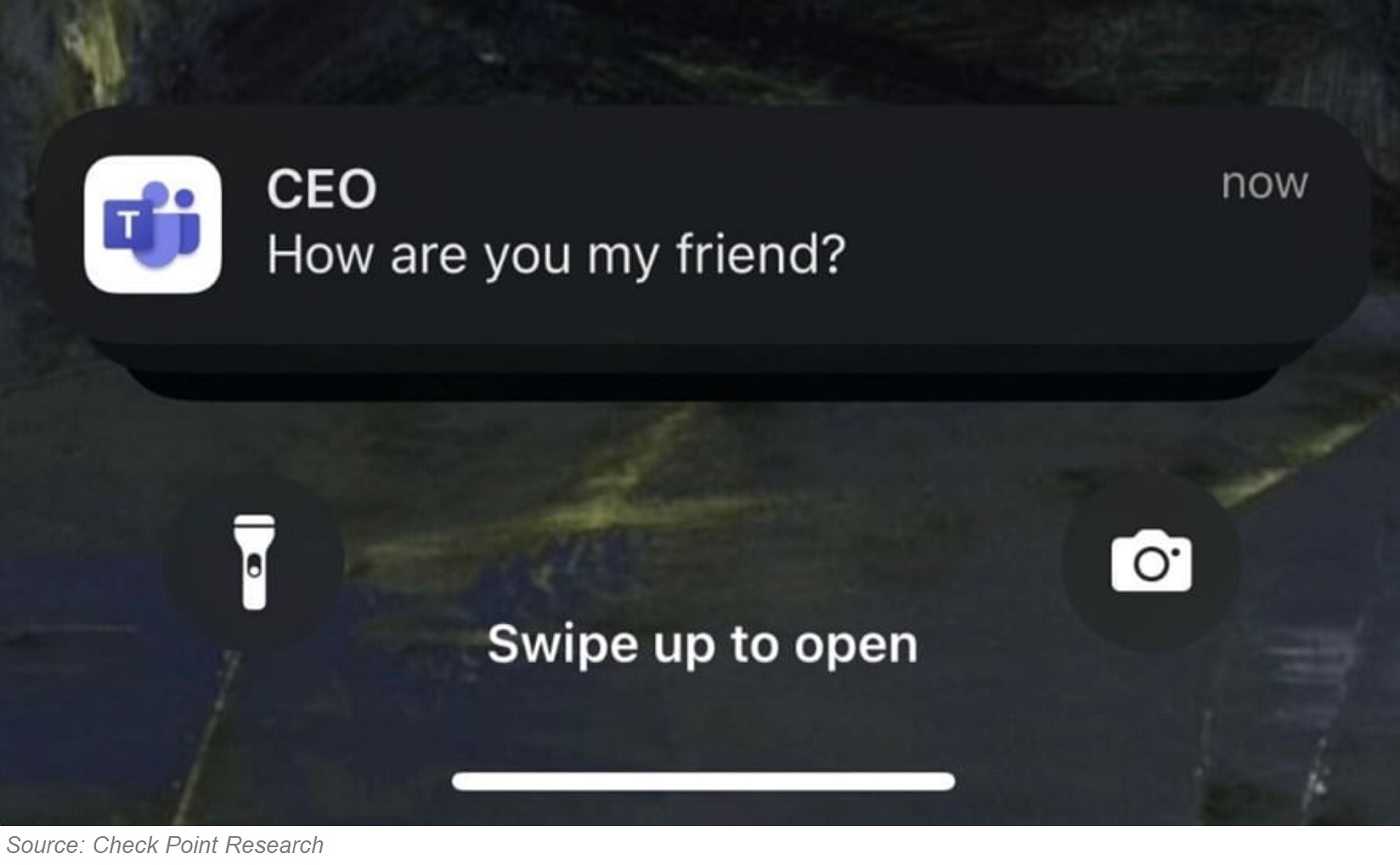
The flaws enable threat actors to change usernames, spoof notifications from trusted colleagues, and alter previously sent messages without triggering the “Edited” label. Attackers can send notifications appearing to originate from senior leaders like CEOs or finance directors, exploiting the trust employees place in authority figures.
How They’re Succeeding

The vulnerabilities work by allowing attackers to manipulate the platform’s messaging system through unique identifiers and API endpoints. Both mobile and desktop notifications can be manipulated, and display names in private chats can be changed through conversation topic modifications. Even caller identities during video and audio calls can be forged. That’s a lot of “WOW!” factor

Protection Tips

Verify urgent requests through alternative and independent communication channels, especially those involving financial transactions or sensitive data. Be suspicious of unexpected messages from executives requesting immediate action or making you feel like you cannot verify it. Enable multi-factor authentication on all accounts. Watch for unusual message behavior or unfamiliar notification patterns. Report suspicious activity to your IT department immediately.

Microsoft labeled the issues as  CVE-2024-38197 and has reportedly fixed these issues. However, users should remain vigilant and update their Teams applications promptly.


Critical Malware Threat Targets Gmail and Outlook

Your Security

Critical Malware Threat Targets Gmail and Outlook

Recently, a critical email threat targeting Gmail and Outlook users has come to light. Security researchers have identified malware campaigns distributing VIP Keylogger and 0bj3ctivityStealer threats, which can compromise these users. They are designed to steal PII and other information by gathering keystrokes and taking screenshots. HP Wolf Security is warning of a malware threat that hides inside images that are delivered to the inboxes of Gmail and Outlook users. READ FULL STORY

BOLO for These Most Dangerous Email Attachments

Scams & Phishing

BOLO for These Most Dangerous Email Attachments

Keeping a lookout for suspicious emails has become a daily consequence of our cyber lives. Phishing emails are notorious for having malicious attachments and opening them is a sure way to compromise your device and its data. These attachments are full of malware, ready and waiting to infect your system with a simple click. Make no mistake, any attachment in a questionable email can be dangerous. However, researchers at F-Secure found that some of this year’s biggest email spam campaigns used particular types of malicious attachments more than others. READ FULL STORY

Sneaky Email Phishing Uses Corrupt MS Word Files

Scams & Phishing

Sneaky Email Phishing Uses Corrupt MS Word Files

Always looking for new ways to swindle us, hackers are using purposely corrupted Word files to hook unsuspecting users. The success rate of this email phishing attack is nearly 100%, so knowing what to look for before you get hooked can help prevent this latest cybercrime. Any.Run, a malware hunting firm, found corrupt Word files attached to emails, infected with malware that bypass Microsoft's malware checks. Even worse, this scam uses Microsoft’s own document recovery feature to open the corrupt file. READ FULL STORY

Phony Voicemail Links Steal Employee Credentials From Office 365 And Outlook Users

Scams & Phishing

Phony Voicemail Links Steal Employee Credentials From Office 365 And Outlook Users

Most of us know phishing emails and fake texts are a hacker’s calling card for stealing valuable PII. But recently, researchers at Zscaler cloud security sounded the alarm about an unusual malware campaign using voicemail-themed email phishing as the primary hook for cyberattacks. It’s only after Zscaler fell victim to this campaign that the company felt compelled to study it further. Zscaler finds this cybercrime targets employees in the U.S. using Microsoft Office 365 and the Outlook email service. READ FULL STORY

Email Warnings No Longer Guarantee Messages Are From Within

Corporate Security

Email Warnings No Longer Guarantee Messages Are From Within

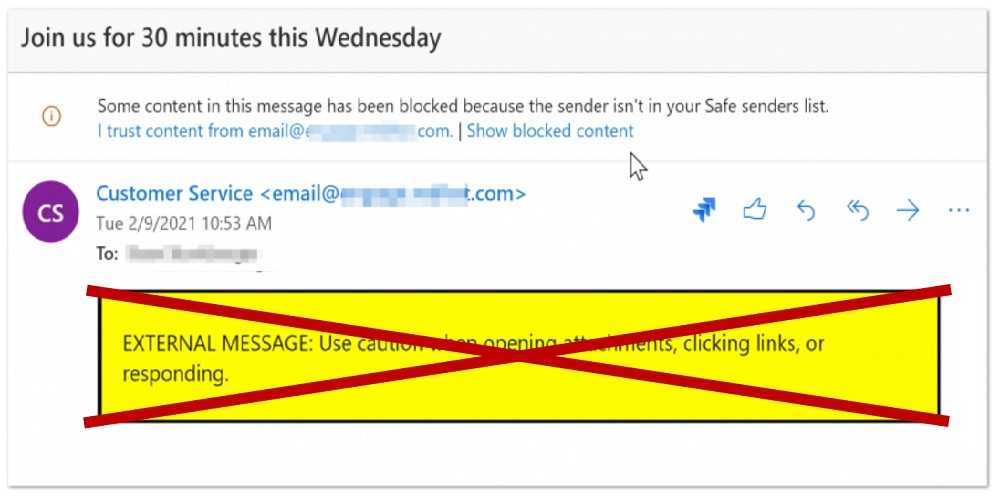
You may have seen this warning, or something like it, at the end of email messages: “CAUTION: This email originated from outside of the organization.” Such an alert intends to let you know that the message you are receiving is not coming from a colleague with an email address from within your organization. It’s supposed to serve as a warning that something in the message just may be trying to phish you. Now, those rascally rabbit cybercriminals have figured out a way to get rid of it. READ FULL STORY


Close
Fraud News & Alerts!

Keep up with the latest cyber security news through our weekly Fraud News & Alerts updates. Each week you will receive an email containing the latest cyber security news, tips and breach notifications.


You're all set!

You will receive your first official security update email within the next week.

A welcome email has also just been sent to you. If you do not receive this email within the next few minutes, please check your Junk box or spam filter to confirm our emails are not being blocked.


Help  
Enter any word or words you like.        

The email newsletter will arrive from news@stickleyonsecurity.com


Loading
Please wait...