Accessibility links
  • Skip to main content
News Icon NEWS FILTER
All News Scams & Phishing Security Education Videos Mobile Security Your Security Education Identity Theft Corporate Security
Search Icon SEARCH
 

Email Icon SUBSCRIBE TO WEEKLY NEWSLETTER
Simple Habits That Make You a Tougher Target for Cybercrooks
Facebook   X   LinkedIn   Email

Simple Habits That Make You a Tougher Target for Cybercrooks

January 22, 2026

It’s already well into the new year and a fresh year usually brings fresh goals—exercise more, spend less, maybe try a new hobby. But one resolution that deserves a permanent spot on everyone’s list is tightening up your personal cybersecurity. And this isn't one you should ever quit when February comes around.

Cyberthreats don’t take holidays, and scammers aren’t slowing down. In fact, they’re getting bolder, trickier, and faster at finding new ways to get into your accounts and steal your money or data. The good news? A few steady habits can make you far less appealing to cybercriminals.
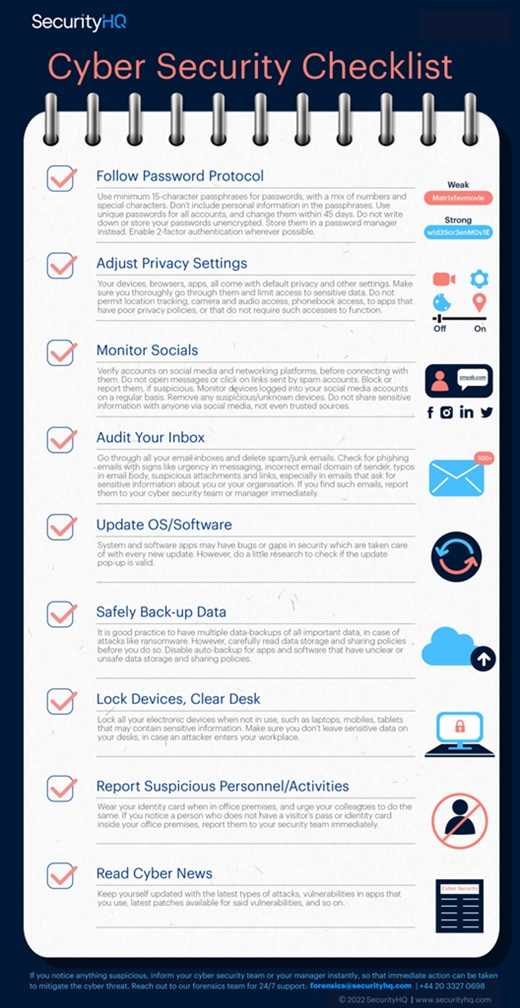
Start with your passwords. Strong, unique passwords or passphrases are still your first line of defense. Mix letters, numbers, and symbols—and never recycle the same one across accounts. And while it may seem obvious, don’t share your passwords with anyone. Tech support, financial institutions, and reputable companies will never ask for them.

Phishing emails remain one of the easiest ways for scammers to trick users. They may look polished these days, but old red flags still apply: Strange attachments, unexpected links, odd grammar, or messages from out-of-the-blue senders. Give anything suspicious a wide berth.

Keep an eye on your financial activity. Checking your banking and financial statements and credit reports regularly can help you catch fraud early. Freezing your credit reports is an added layer of protection if you don’t need frequent access. You can always unfreeze the reports, if needed.

Turning on multi-factor authentication (MFA) wherever possible can stop attackers even if they get your password. And remember to use different login credentials for every account. Logging in with Facebook or Google might seem convenient, but it creates a single gateway to multiple accounts.

Don’t forget that passkeys are a great way to secure your accounts and not have to remember so many passwords. Keep in mind that passkeys and storing your passwords in your browser are NOT the same and storing them in the browser is not a recommended option.

Finally, don’t let your devices fall behind. Keep anti-malware tools updated, install software patches promptly, and replace unsupported devices. Back up your data regularly, and stay aware of new scams circulating online and in your community.

Cybercriminals follow the money, and they’ll keep trying as long as it pays. Don’t make it easy for them.


Researcher Reveals Clickjacking Flaw That Can Spill Your Secrets

Your Security

Researcher Reveals Clickjacking Flaw That Can Spill Your Secrets

Password managers are, while not the best way, not a bad way to store all the numerous passwords you need to have these days.  However, some of the confidence in that was recently tested. At the most recent DEF CON conference, independent security researcher Marek Tóth dropped a bombshell—your trusty password manager may not be as secure as you think. A sneaky attack can trick your browser into autofilling not just usernames and passwords, but your 2FA codes, passkeys, credit card details, and personal info—all with a single click. READ FULL STORY

Holiday Shopping May Be Over but the Scams Aren’t

Scams & Phishing

Holiday Shopping May Be Over but the Scams Aren’t

Think the shopping season ends on December 25? Not even close. Retailers launch a whole new wave of promotions: after-holiday blowouts, New Year deals, clearance events, and anything else they can dream up to keep shoppers clicking. But while stores ramp up the marketing, cybercriminals ramp up their tricks — especially domain-jacking and typosquatting. And during this busy online shopping stretch, more people than ever are falling for them. READ FULL STORY

Good Security Habits Can Go A Long Way In A New Year

Your Security

Good Security Habits Can Go A Long Way In A New Year

It’s a new year! And while everyone will face new cyber risks going forward, it makes it more important than ever for individuals to assume responsibility for safeguarding their devices and data. Threats stay the same, but they also evolve to become more dangerous and new ones pop up like the cork of a champagne bottle. Protecting yourself from all of this begins with education and heeding the advice of cybersecurity experts. While we all think we know all of this already, anyone can become a victim of cybercrime when the circumstances are right. READ FULL STORY

Shopping Season Cybersecurity Tips

Your Security

Shopping Season Cybersecurity Tips

It’s back….again! It seems like we just went through this period and it’s already time for Black Friday, Small Business Saturday, and Cyber Monday shopping again! Even for those who don’t participate in the holiday shopping season madness can find some great deals this time of year. Unfortunately, all the deals also mean the cyber thieves are lurking around trying to profit from everyone else’s holiday cheer. However, there are some things you can do to lower the risk that your payment card information is stolen. READ FULL STORY

AI Becomes Criminals' New Ally with the Emergence of FraudGPT

Your Security

AI Becomes Criminals' New Ally with the Emergence of FraudGPT

The digital landscape is facing a fresh threat: FraudGPT. This nefarious AI tool, hanging around at the backdoor of WormGPT, first popped up on July 22, 2023. Numerous underground websites and private Telegram channels were the first to notice its presence. What sets FraudGPT apart from other cyber threats is its versatility—it's a multi-purpose tool designed for an array of illicit activities. And once inside your computer, this software can wreak significant havoc. READ FULL STORY


Close
Fraud News & Alerts!

Keep up with the latest cyber security news through our weekly Fraud News & Alerts updates. Each week you will receive an email containing the latest cyber security news, tips and breach notifications.


You're all set!

You will receive your first official security update email within the next week.

A welcome email has also just been sent to you. If you do not receive this email within the next few minutes, please check your Junk box or spam filter to confirm our emails are not being blocked.


Help  
Enter any word or words you like.        

The email newsletter will arrive from news@stickleyonsecurity.com


Loading
Please wait...