Accessibility links
  • Skip to main content
News Icon NEWS FILTER
All News Scams & Phishing Security Education Videos Mobile Security Your Security Education Identity Theft Corporate Security
Search Icon SEARCH
 

Email Icon SUBSCRIBE TO WEEKLY NEWSLETTER
A Scammer Can Wreak Havoc With Your Online Banking Account Number
Facebook   X   LinkedIn   Email

A Scammer Can Wreak Havoc With Your Online Banking Account Number

January 19, 2026

Most people know to protect their Social Security number, debit card PIN, or online banking password. But many don’t realize that something far more ordinary—your bank account number—can also be a goldmine for scammers. It may not seem sensitive at first glance (after all, it’s printed on every check), but in the wrong hands, it can lead to serious financial trouble.

Cybercriminals can use your bank account number to attempt unauthorized withdrawals, especially through ACH transfers. These electronic payments are commonly used for direct deposits, bill pay, and online purchases. Fraudsters who get hold of your account and routing numbers can try to pull money out by posing as a business or vendor. Routing numbers are not difficult to find, and a clever scammer can easily access them.

While banks often catch suspicious activity, scammers know that many people don’t check their accounts daily, giving them time to slip transactions through, especially smaller transactions that may not trigger your charge notifications.
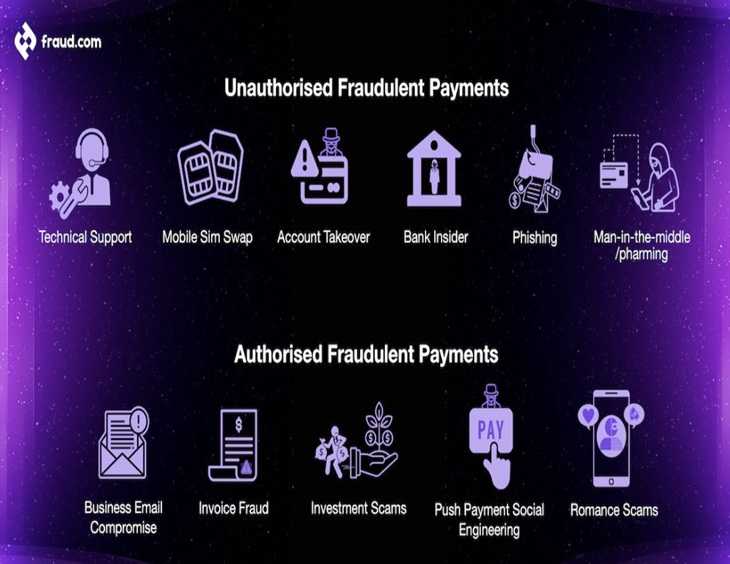
Account numbers can also be used in identity verification scams. Criminals may combine your bank account number with other stolen data to impersonate you with financial institutions, open accounts in your name, create phony checks, or reroute legitimate payments. And for businesses, exposed account numbers can lead thieves to create fake invoices or initiate unauthorized debits disguised as routine expenses.

Even if a scammer can't directly empty your account, they can still cause costly headaches by triggering fraudulent transactions, freezing your funds during investigations, or using your information to launch broader identity theft.

The takeaway? Treat your bank account number like any other sensitive financial detail. Share it only when absolutely necessary, monitor your accounts regularly, and report any suspicious activity immediately. Don’t forget to take advantage of enabling notifications for charges over a certain amount. Consider making it below $100 and add some cents on it to make it out of the ordinary. Then you can react right away when you see that notification appear.

And if we’ve mentioned it once, we’ve said a bazillion times. Be sure to enable multi-factor authentication on all financial accounts.


This Cunning Account Takeover Robbed A “Cybersmart” User’s Account

Scams & Phishing

This Cunning Account Takeover Robbed A “Cybersmart” User’s Account

While banking online, this person received a message saying her account had been compromised and provided her a phone number to call. A woman in New York learned the hard way that even those who know the tell-tale signs of a cyberattack can be fooled. She fell victim to an account takeover (ATO) of her financial accounts – to the tune of over $30,000. Know that all types of accounts are vulnerable to ATOs, and not just those that are financial. READ FULL STORY

Financial Fraud Evolves As Fraudsters Ramp Up Their Attacks

Your Security

Financial Fraud Evolves As Fraudsters Ramp Up Their Attacks

Cybercriminals are stepping-up to the surge in opportunities for financial fraud. The new products and services that financial institutions (FIs) offer to compete for customers, gives fraudsters new avenues to exploit. Expanding banking options give FIs the ability to battle for customers with their marketing approach. But for many FIs and their clients, bad actors are also responding to these banking options. For all the wrong reasons, they too appreciate additional channels for banking, but only as an opportunity to expand their fraudulent attacks. READ FULL STORY

 Billions of SSN’s Exposed—How To Protect Your Finances

Identity Theft

Billions of SSN’s Exposed—How To Protect Your Finances

There has been a mega data breach boom lately and billions of Social Security numbers have been exposed. The National Public Data breach alone let loose 2.9 billion of our most sensitive records into the hands of cybercriminals. It's unlikely that anyone in the U.S. escaped this breach. And if you did, there's certainly another one that got you. Fortunately, there are several protective steps we can take to minimize the potential financial damage, and they aren't so difficult to do. READ FULL STORY

Accounts Drained By Zelle Smishing Scam

Mobile Security

Accounts Drained By Zelle Smishing Scam

From time to time, scammers come up with a new tactic using new technology, new events, or whatever they can to continue tricking us into giving up our personal or confidential information. Over the past few years and with the increasing use of texting and SMS messaging, a newer one in the bag of tricks has been coined as “smishing.” Because it’s text, it often catches people off guard and causes them to react quickly, which is exactly what you shouldn’t do. READ FULL STORY

Calling Your FI? You Could Be Calling a Hacker Instead

Mobile Security

Calling Your FI? You Could Be Calling a Hacker Instead

When did calling your financial institution (FI) turn into calling a hacker instead? Well, there’s now an improved Android banking trojan named FakeCall that’s intercepting calls to FIs. FakeCall reportedly has 13 new variations, with all making detection more difficult. It sounds hard to believe, but victims of FakeCall malware along with their financial accounts tell the story—and there’s more to know. One of them is that all versions have one thing in common. READ FULL STORY


Close
Fraud News & Alerts!

Keep up with the latest cyber security news through our weekly Fraud News & Alerts updates. Each week you will receive an email containing the latest cyber security news, tips and breach notifications.


You're all set!

You will receive your first official security update email within the next week.

A welcome email has also just been sent to you. If you do not receive this email within the next few minutes, please check your Junk box or spam filter to confirm our emails are not being blocked.


Help  
Enter any word or words you like.        

The email newsletter will arrive from news@stickleyonsecurity.com


Loading
Please wait...